
Del i serien Literatures, Cultures, Translation
Translator on Stage
Inbunden, Engelska, 2017
2 909 kr
Beställningsvara. Skickas inom 10-15 vardagar. Fri frakt för medlemmar vid köp för minst 249 kr.
Finns i fler format (1)
In today’s theatre, productions of plays that originated in another language are frequently distinguished by two characteristics: the authorship of the English text by a well-known local theatre specialist, and the absence of the term ‘translation’—generally in favour of ‘adaptation’ or ‘version’. The Translator on Stage investigates the creative processes that bring translated plays to the mainstream stage, exploring the commissioning, translation and development procedures that end with a performed play.Through a sample of eight plays that span two thousand years and six languages—including Festen, Don Carlos, Hedda Gabler and The UN Inspector—and that were all staged within a three-month period, Geraldine Brodie brings in a wide range of theatre practitioners to discuss their roles in the translation process and the motivations that govern London theatre translation activities. The Translator on Stage is informed by specially conducted interviews with the productions’ producers, artistic directors, directors, literary managers, playwrights and specialist translators, including Michael Grandage, Rufus Norris, David Eldridge, Juan Mayorga, David Johnston and Mike Poulton. It sheds new light not only on theatrical translation procedures, but also on the place of translation in society today.
Produktinformation
- Utgivningsdatum2017-12-28
- Mått140 x 216 x 13 mm
- Vikt390 g
- FormatInbunden
- SpråkEngelska
- SerieLiteratures, Cultures, Translation
- Antal sidor208
- FörlagBloomsbury Publishing Plc
- ISBN9781501322112
Tillhör följande kategorier
Hoppa över listan






Mer från samma serie
Literary Translation and the Making of Originals
Karen Emmerich, Brian James Baer
Inbunden, 2017
2 909 kr
Transgender, Translation, Translingual Address
Douglas Robinson, Brian James Baer
Inbunden, 2019
2 709 kr
Hoppa över listan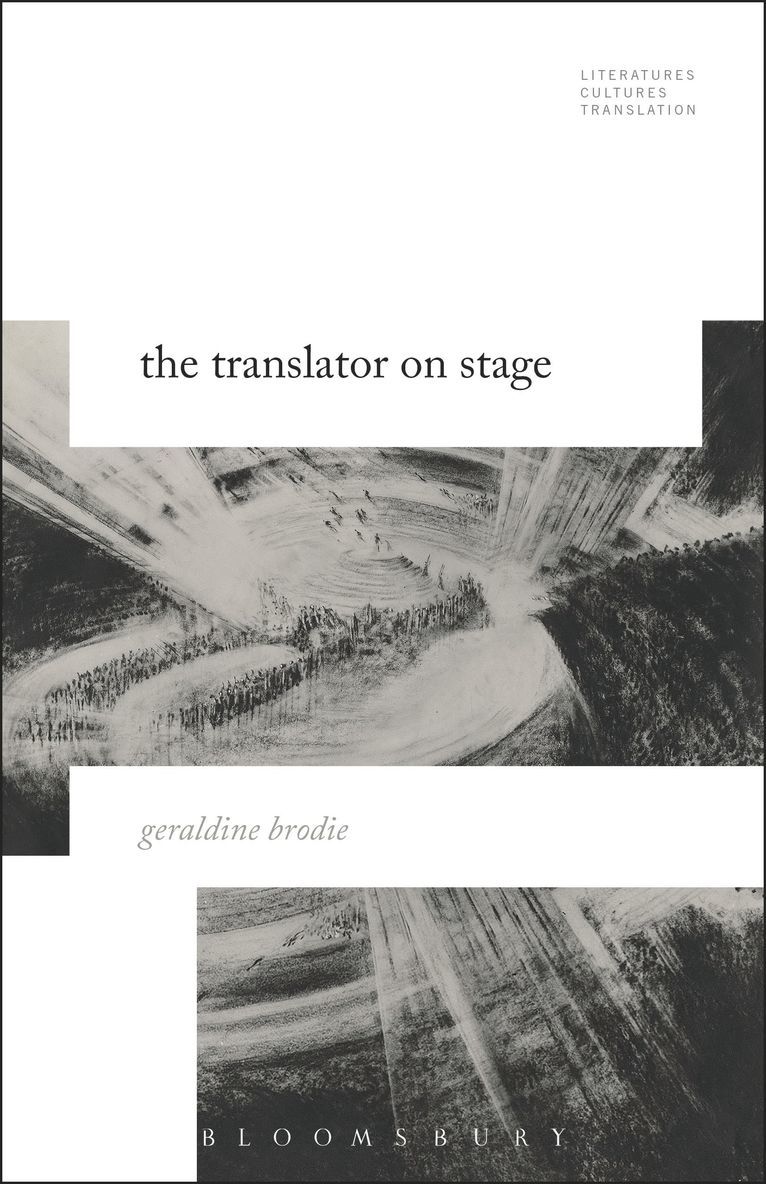







Du kanske också är intresserad av
- Nyhet
Del 3
- Nyhet
Del 11
- Nyhet
- Nyhet
- Nyhet
- Nyhet
Del 6
Del 1