
Del 5
Del 16 i serien Metaforms
Revenge, Agency, and Identity from European Drama to Asian Film
Agents of Vengeance
Inbunden, Engelska, 2019
2 929 kr
Beställningsvara. Skickas inom 5-8 vardagar. Fri frakt för medlemmar vid köp för minst 249 kr.
Eric Dodson-Robinson’s Revenge, Agency, and Identity from European Drama to Asian Film challenges critical readings of drama, film, and literature that downplay agency. From Attic tragedy, through Seneca and Shakespeare, and into Japanese and Korean film, the book pursues the agent of vengeance in her fury to reconstruct an identity shattered by trauma. Tragic revenge is an imaginary theater only partly encompassed by disciplines, institutions, and discourses. In this theater, violence becomes contagious and potentially transformative as performance gives birth to the agent of vengeance: a complex, emergent agent who is more than the sum of the actors, auteur, tradition, and audience, all of whom infiltrate, and strive to control, her will. The agent of vengeance, determined to outdo past exemplars, exacts traumatic excess, not equivalence.
Produktinformation
- Utgivningsdatum2019-10-03
- Mått155 x 235 x 16 mm
- Vikt425 g
- FormatInbunden
- SpråkEngelska
- SerieMetaforms
- Antal sidor172
- FörlagBrill
- ISBN9789004401273
Tillhör följande kategorier
Hoppa över listan




Mer från samma serie
Del 1
Del 2
Del 3
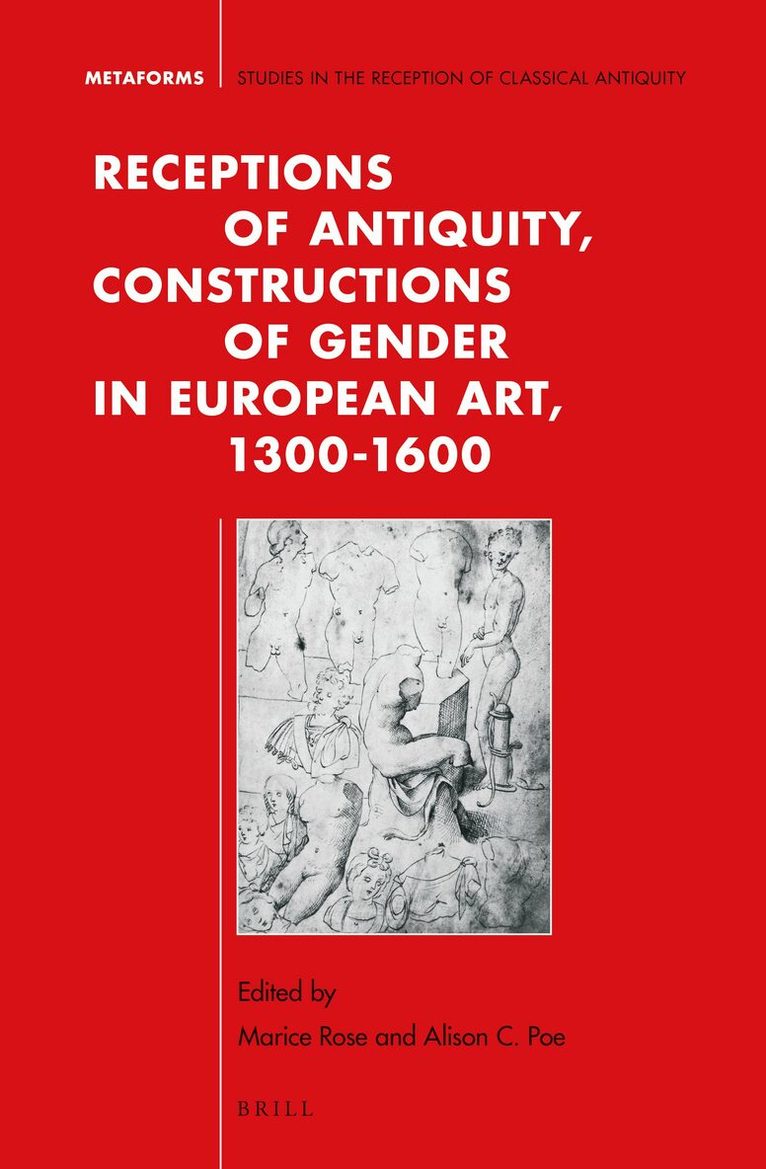
Receptions of Antiquity, Constructions of Gender in European Art, 1300-1600
Marice Rose
Inbunden, 2015
4 019 kr
Del 4
Del 5
Del 6
Del 8
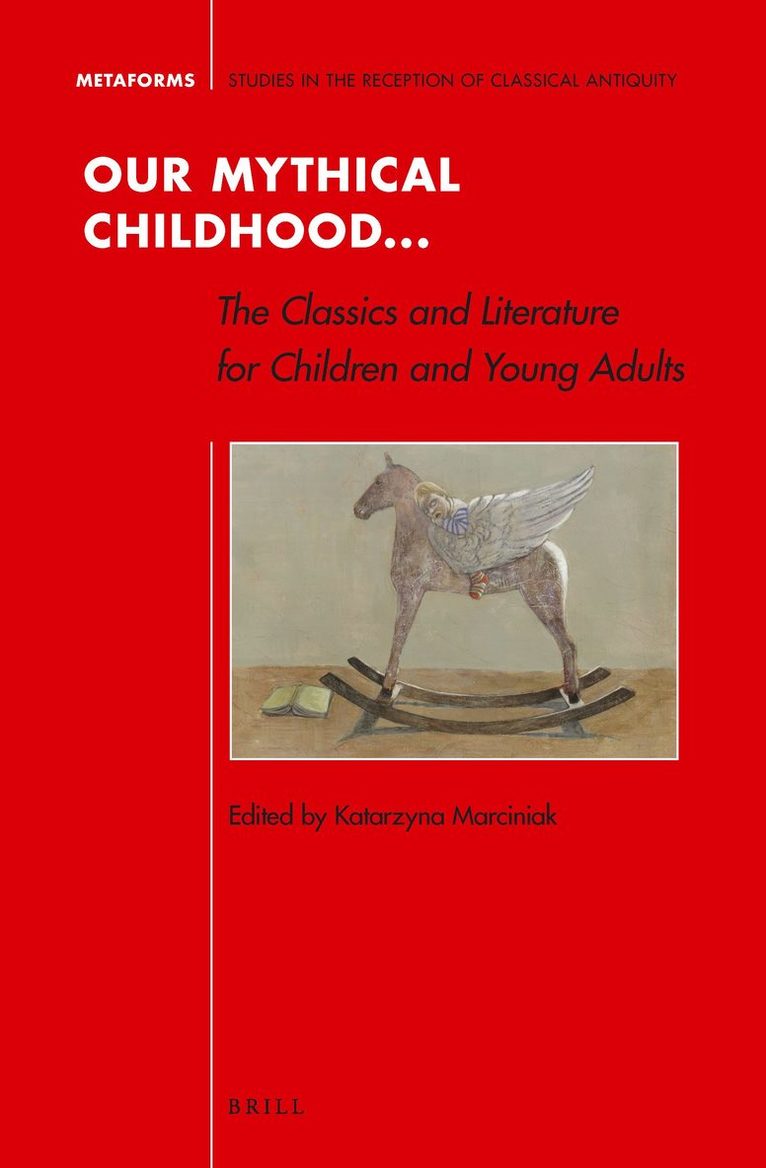
Our Mythical Childhood... The Classics and Literature for Children and Young Adults
Katarzyna Marciniak
Inbunden, 2016
4 439 kr
Del 7
Reception of Aeschylus’ Plays through Shifting Models and Frontiers
Stratos Constantinidis
Inbunden, 2016
3 689 kr
Del 9
Del 11
Hoppa över listan



Du kanske också är intresserad av
Del 5
Del 9
Del 21
Del 2
Del 24
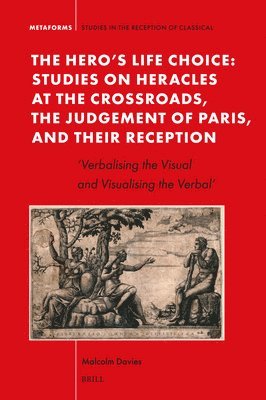
Hero's Life Choice. Studies on Heracles at the Crossroads, the Judgement of Paris, and Their Reception
Malcolm Davies
Inbunden, 2023
3 489 kr
Del 20
Exemplary Hercules from the Renaissance to the Enlightenment and Beyond
Valerie Mainz
Inbunden, 2020
3 229 kr
Del 7
Reception of Aeschylus’ Plays through Shifting Models and Frontiers
Stratos Constantinidis
Inbunden, 2016
3 689 kr
Del 25
Del 15
Del 27