
Del 9
Del 3 i serien Metaforms
Receptions of Antiquity, Constructions of Gender in European Art, 1300-1600
Inbunden, Engelska, 2015
4 019 kr
Beställningsvara. Skickas inom 5-8 vardagar. Fri frakt för medlemmar vid köp för minst 249 kr.
Receptions of Antiquity, Constructions of Gender in European Art, 1300-1600 presents scholarship in classical reception at its nexus with art history and gender studies. It considers the ways that artists, patrons, collectors, and viewers in late medieval and early modern Europe used ancient Greek and Roman art, texts, myths, and history to interact with and shape notions of gender. The essays examine Giotto's Arena Chapel frescoes, Michelangelo's Medici Chapel personifications, Giulio Romano's decoration of the Palazzo del Te, and other famous and lesser-known sculptures, paintings, engravings, book illustrations, and domestic objects as well as displays of ancient art. Visual responses to antiquity in this era, the volume demonstrates, bore a complex and significant relationship to the construction of, and challenges to, contemporary gender norms.
Produktinformation
- Utgivningsdatum2015-06-05
- Mått155 x 235 x 32 mm
- Vikt858 g
- FormatInbunden
- SpråkEngelska
- SerieMetaforms
- Antal sidor468
- FörlagBrill
- ISBN9789004278745
Tillhör följande kategorier
Hoppa över listan






Du kanske också är intresserad av
Del 21
Del 24
Hero's Life Choice. Studies on Heracles at the Crossroads, the Judgement of Paris, and Their Reception
Malcolm Davies
Inbunden, 2023
3 489 kr
Del 20
Exemplary Hercules from the Renaissance to the Enlightenment and Beyond
Valerie Mainz
Inbunden, 2020
3 229 kr
Del 7
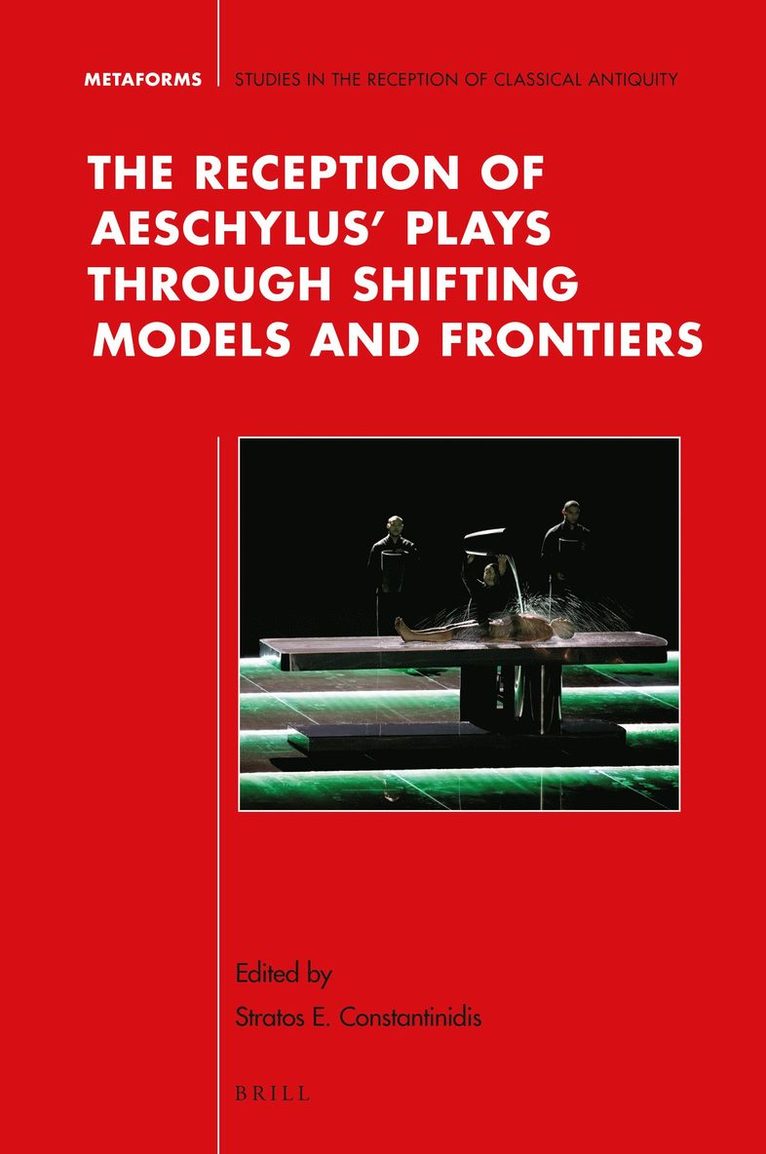
Reception of Aeschylus’ Plays through Shifting Models and Frontiers
Stratos Constantinidis
Inbunden, 2016
3 689 kr
Del 25
Del 15
Del 27
Del 23
Del 16
Revenge, Agency, and Identity from European Drama to Asian Film
Eric Dodson-Robinson
Inbunden, 2019
2 929 kr