
Del i serien Ecocritical Theory and Practice
Water in Medieval Literature
An Ecocritical Reading
Häftad, Engelska, 2019
899 kr
Beställningsvara. Skickas inom 10-15 vardagar. Fri frakt för medlemmar vid köp för minst 249 kr.
Ecocritical thinking has sensitized us more than ever before to the tremendous importance of water for human life, as it is richly reflected in the world of literature. The great relevance of water also in the Middle Ages might come as a surprise for many readers, but the evidence assembled here confirms that also medieval poets were keenly aware of the importance of water to sustain all life, to provide understanding of life’s secrets, to mirror love, and to connect the individual with God. In eleven chapters major medieval European authors and their works are discussed here, taking us from the world of Old Norse to Irish and Latin literature, to German, French, English, and Italian romances and other narratives.
Produktinformation
- Utgivningsdatum2019-05-31
- Mått150 x 221 x 25 mm
- Vikt517 g
- FormatHäftad
- SpråkEngelska
- SerieEcocritical Theory and Practice
- Antal sidor358
- FörlagBloomsbury Publishing Plc
- ISBN9781498539869
Tillhör följande kategorier
Hoppa över listan

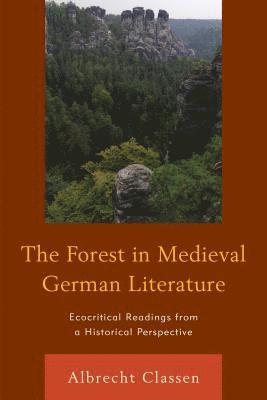
Mer från samma författare
Early History of the Southwest through the Eyes of German-Speaking Jesuit Missionaries
Albrecht Classen
Inbunden, 2012
1 729 kr
Hoppa över listan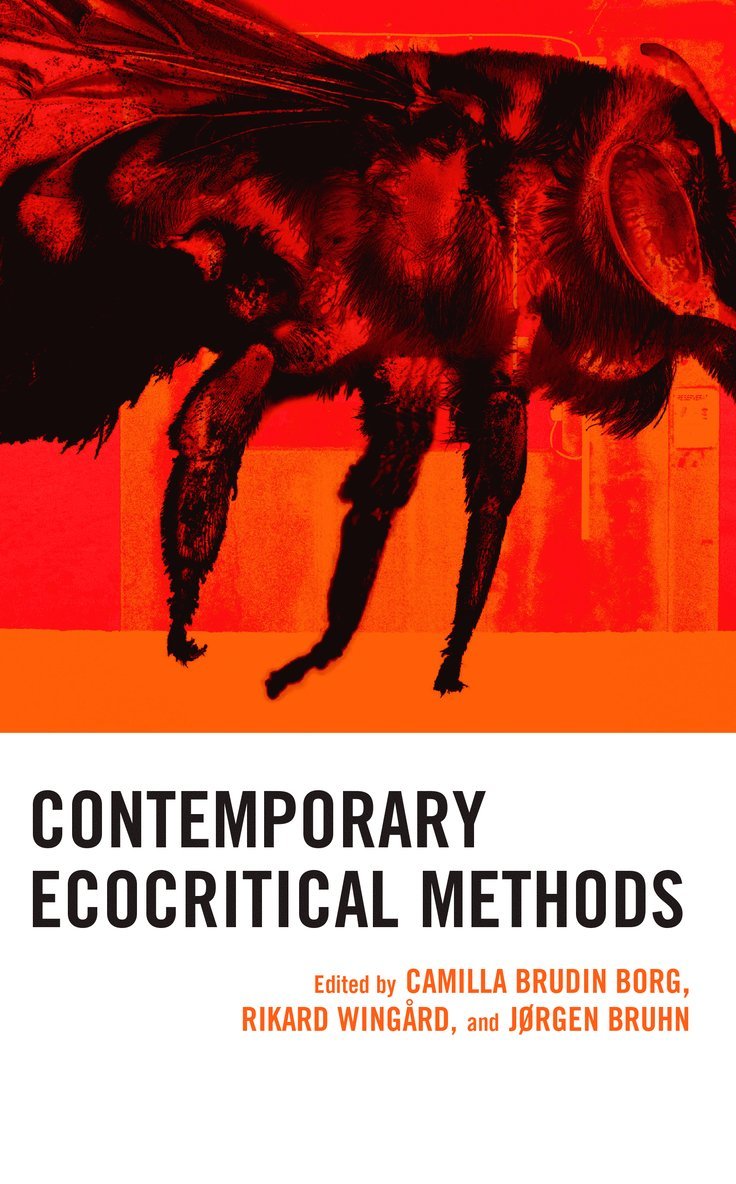
Mer från samma serie
Contemporary Ecocritical Methods
Camilla Brudin Borg, Rikard Wingård, Jørgen Bruhn
Inbunden, 2024
1 729 kr
Hoppa över listan






Du kanske också är intresserad av
- Nyhet
Del 3
- Nyhet
Del 11
- Nyhet
Del 6
- Nyhet
Del 4
Del 3
Del 1
Del 2
Del 7
- Nyhet