
Del i serien Cultures of Early Modern Europe
Vagrancy in English Culture and Society, 1650-1750
Häftad, Engelska, 2018
699 kr
Beställningsvara. Skickas inom 10-15 vardagar. Fri frakt för medlemmar vid köp för minst 249 kr.
Finns i fler format (1)
CHOICE Outstanding Academic Title 2017The first social and cultural history of vagrancy between 1650 and 1750, this book combines sources from across England and the Atlantic world to describe the shifting and desperate experiences of the very poorest and most marginalized of people in early modernity; the outcasts, the wandering destitute, the disabled veteran, the aged labourer, the solitary pregnant woman on the road and those referred to as vagabonds and beggars are all explored in this comprehensive account of the subject. Using a rich array of archival and literary sources, Vagrancy in English Culture and Society, 1650-1750 offers a history not only of the experiences of vagrants themselves, but also of how the settled ‘better sort’ perceived vagrancy, how it was culturally represented in both popular and elite literature as a shadowy underworld of dissembling rogues, gypsies, and pedlars, and how these representations powerfully affected the lives of vagrants themselves.Hitchcock’s is an important study for all scholars and students interested in the social and cultural history of early modern England.
Produktinformation
- Utgivningsdatum2018-01-25
- Mått150 x 232 x 16 mm
- Vikt760 g
- FormatHäftad
- SpråkEngelska
- SerieCultures of Early Modern Europe
- Antal sidor248
- FörlagBloomsbury Publishing PLC
- ISBN9781350058125
- UtmärkelserWinner of Choice Outstanding Academic Title 2018 (UK)
Tillhör följande kategorier
Hoppa över listan






Mer från samma författare
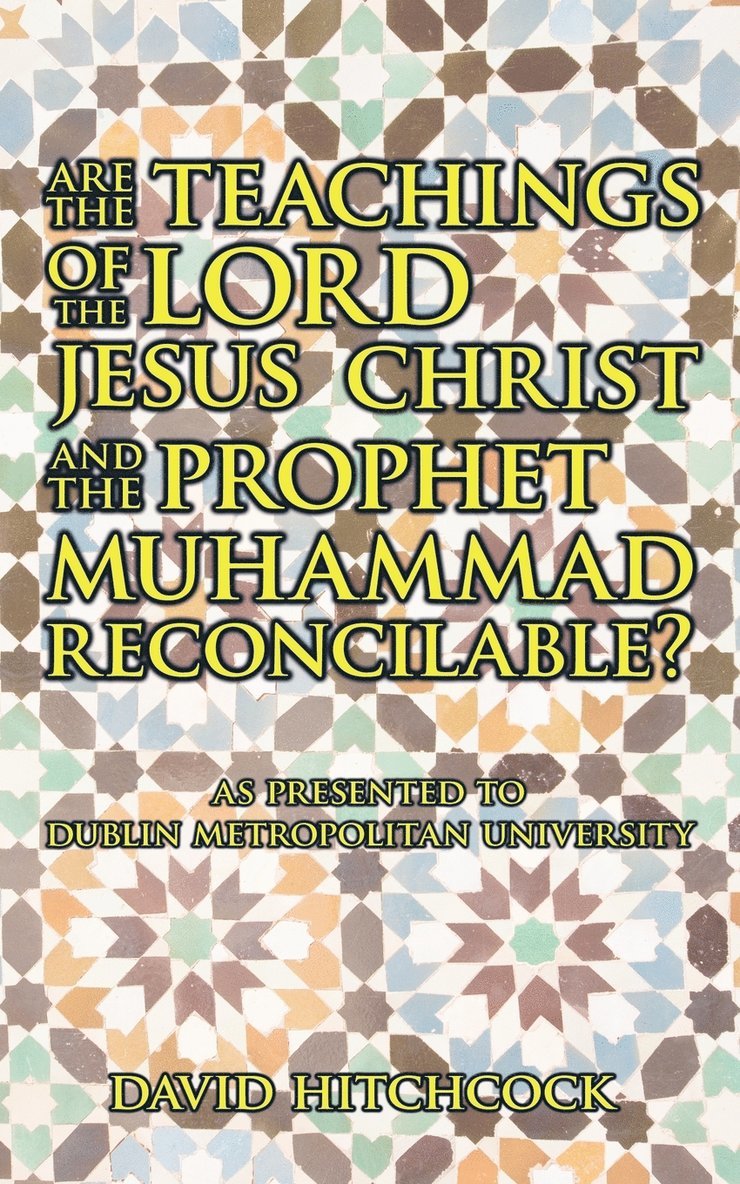
Are the Teachings of the Lord Jesus Christ and the Prophet Muhammad Reconcilable?
David Hitchcock
Häftad, 2009
249 kr
Hoppa över listan
Mer från samma serie
Food, Religion and Communities in Early Modern Europe
Christopher Kissane, Beat Kümin, Brian Cowan
Inbunden, 2018
2 429 kr
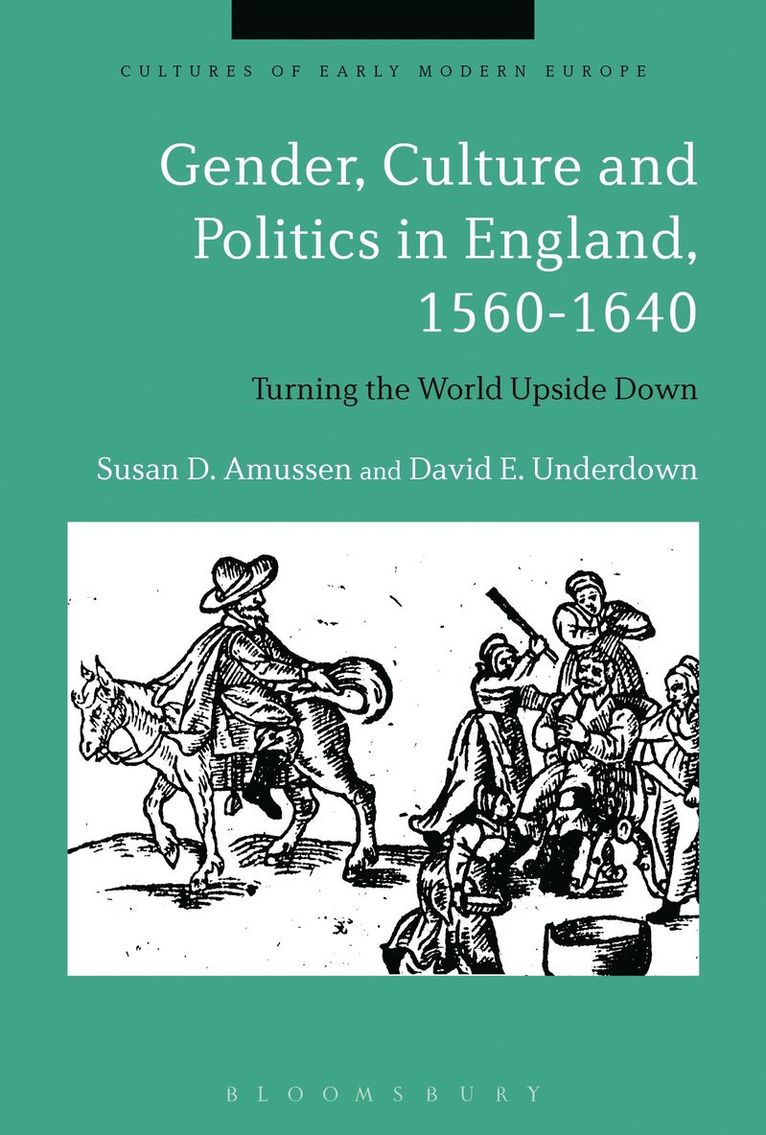
Gender, Culture and Politics in England, 1560-1640
Susan D. Amussen, David E. Underdown, Beat Kümin
Inbunden, 2017
2 619 kr
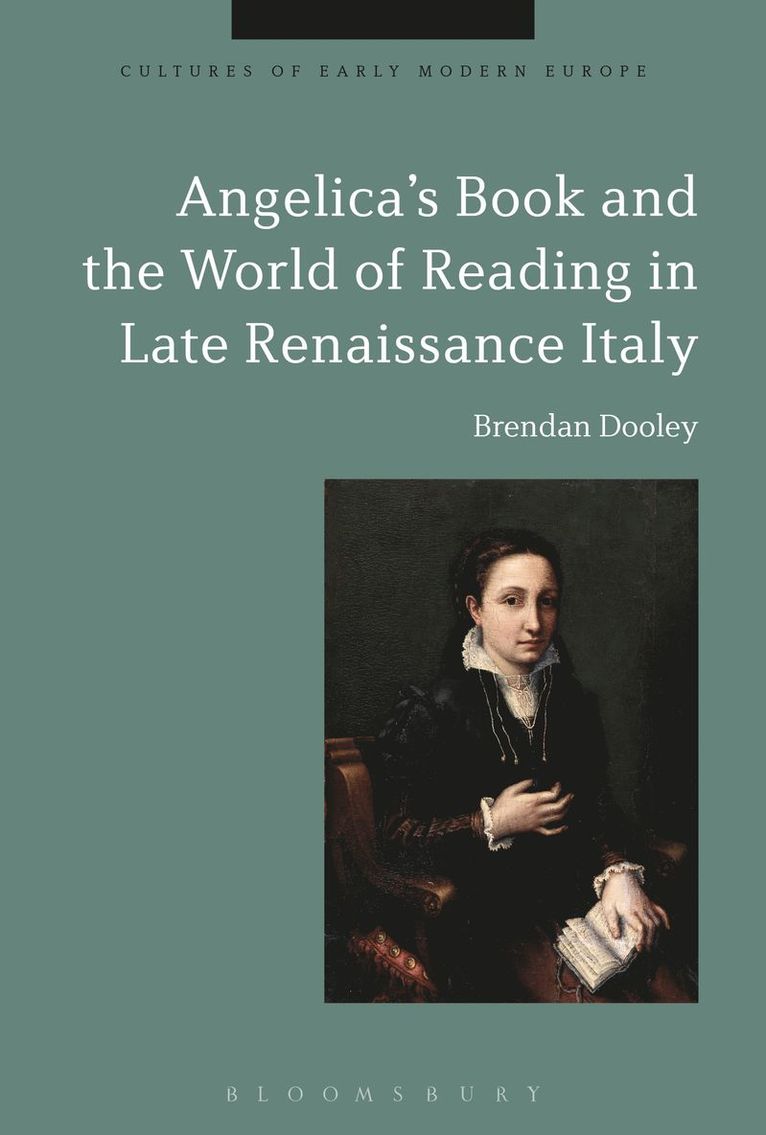
Angelica's Book and the World of Reading in Late Renaissance Italy
Brendan Dooley, Beat Kümin
Häftad, 2018
679 kr
Gender, Culture and Politics in England, 1560-1640
Susan D. Amussen, David E. Underdown, Beat Kümin
Häftad, 2018
679 kr
Food, Religion and Communities in Early Modern Europe
Christopher Kissane, Beat Kümin
Häftad, 2019
639 kr
Hoppa över listan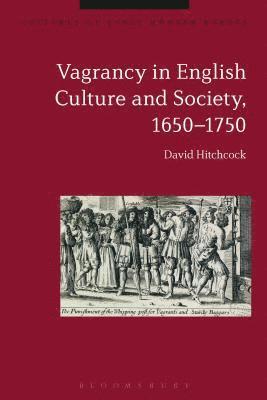

Du kanske också är intresserad av
Del 62
Del 30
Del 62
Are the Teachings of the Lord Jesus Christ and the Prophet Muhammad Reconcilable?
David Hitchcock
Häftad, 2009
249 kr