
Using Computers in the Translation of Literary Style
Challenges and Opportunities
Inbunden, Engelska, 2019
3 709 kr
Beställningsvara. Skickas inom 10-15 vardagar. Fri frakt för medlemmar vid köp för minst 249 kr.
Finns i fler format (1)
This volume argues for an innovative interdisciplinary approach to the analysis and translation of literary style, based on a mutually supportive combination of traditional close reading and ‘distant’ reading, involving corpus-linguistic analysis and text-visualisation. The book contextualizes this approach within the broader story of the development of computer-assisted translation -- including machine translation and the use of CAT tools -- and elucidates the ways in which the approach can lead to better informed translations than those based on close reading alone. This study represents the first systematic attempt to use corpus linguistics and text-visualisation in the process of translating individual literary texts, as opposed to comparing and analysing already published originals and their translations. Using the case study of his translation into English of Uruguayan author Mario Benedetti’s 1965 novel Gracías por el Fuego, Youdale showcases how a close and distant reading approach (CDR) enhances the translator’s ability to detect and measure a variety of stylistic features, ranging from sentence length and structure to lexical richness and repetition, both in the source text and in their own draft translation, thus assisting them with the task of revision. The book reflects on the benefits and limitations of a CDR approach, its scalability and broader applicability in translation studies and related disciplines, making this key reading for translators, postgraduate students and scholars in the fields of literary translation, corpus linguistics, corpus stylistics and narratology.
Produktinformation
- Utgivningsdatum2019-06-24
- Mått152 x 229 x 22 mm
- Vikt500 g
- FormatInbunden
- SpråkEngelska
- SerieRoutledge Advances in Translation and Interpreting Studies
- Antal sidor242
- FörlagTaylor & Francis Ltd
- ISBN9780367141233
Tillhör följande kategorier
Hoppa över listan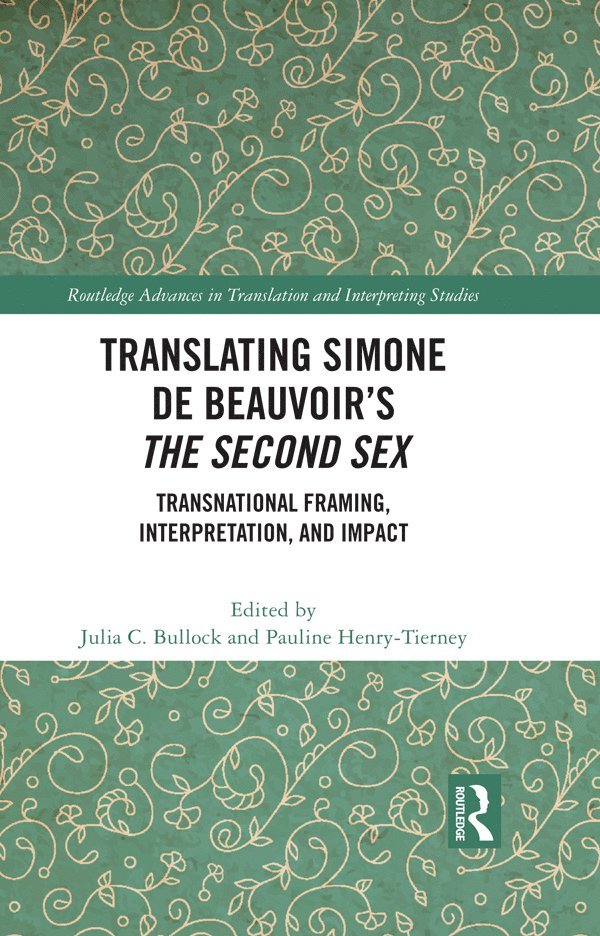


Mer från samma serie
Translating Simone de Beauvoir’s The Second Sex
Julia C. Bullock, Pauline Henry-Tierney
Inbunden, 2023
3 219 kr
New Empirical Perspectives on Translation and Interpreting
Lore Vandevoorde, Joke Daems, Bart Defrancq
Inbunden, 2019
3 319 kr
Hoppa över listan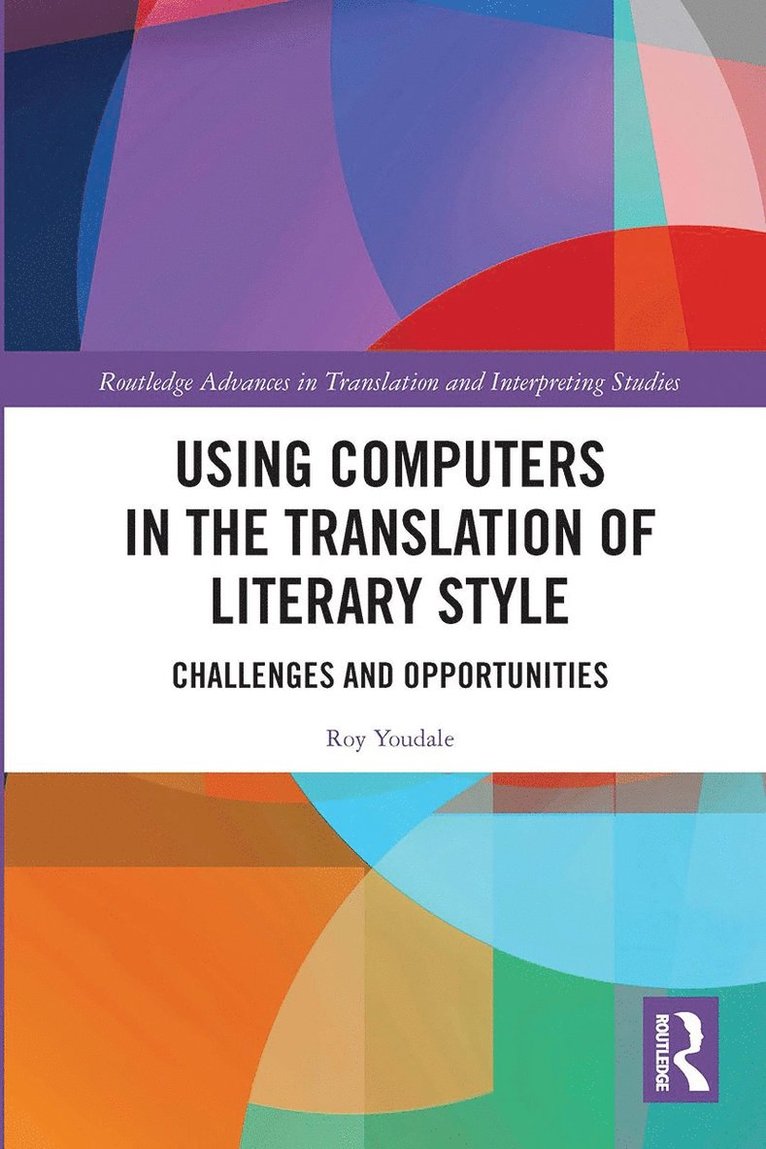





Du kanske också är intresserad av
- Nyhet
Del 4
- Nyhet
- Nyhet
Del 11
- Nyhet
Del 3
Del 1
- Nyhet
Del 6