
Computer-Assisted Literary Translation
Häftad, Engelska, 2025
929 kr
Beställningsvara. Skickas inom 10-15 vardagar. Fri frakt för medlemmar vid köp för minst 249 kr.
This collection surveys the state of the art of computer-assisted literary translation (CALT), making the case for its potential to enhance literary translation research and practice.The volume brings together early career and established scholars from around the world in countering prevailing notions around the challenges of effectively implementing contemporary CALT applications in literary translation practice which has traditionally followed the model of a single translator focused on a single work. The book begins by addressing key questions on the definition of literary translation, examining its sociological dimensions and individual translator perspective. Chapters explore the affordances of technological advancements and availability of new tools in such areas as post-edited machine translation (PEMT) in expanding the boundaries of what we think of when we think of literary translation, looking to examples from developments in co-translation, collaborative translation, crowd-sourced translation and fan translation. As the first book of its kind dedicated to the contribution CALT in its various forms can add to existing and future scholarship, this volume will be of interest to students and scholars in Translation Studies, especially those working in literary translation, machine translation and translation technologies.
Produktinformation
- Utgivningsdatum2025-04-13
- Mått152 x 229 x 16 mm
- Vikt560 g
- FormatHäftad
- SpråkEngelska
- SerieRoutledge Advances in Translation and Interpreting Studies
- Antal sidor290
- FörlagTaylor & Francis Ltd
- ISBN9781032413013
Tillhör följande kategorier
Hoppa över listan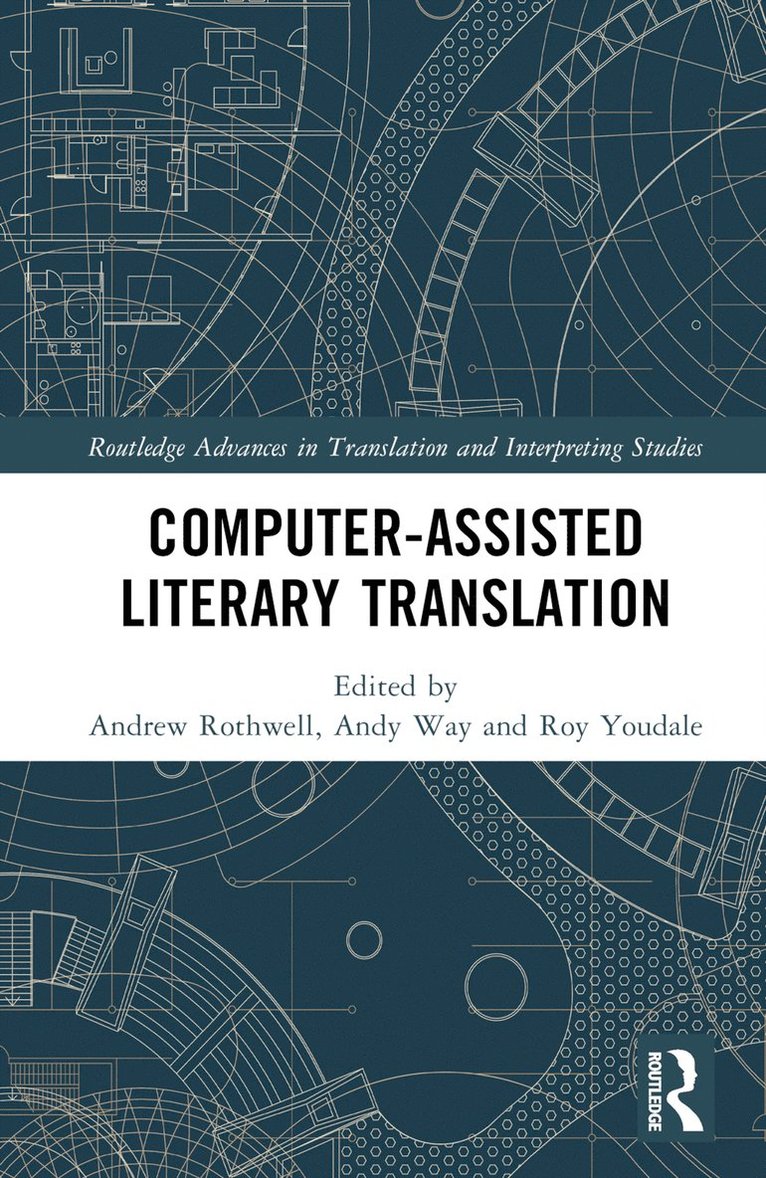

Du kanske också är intresserad av
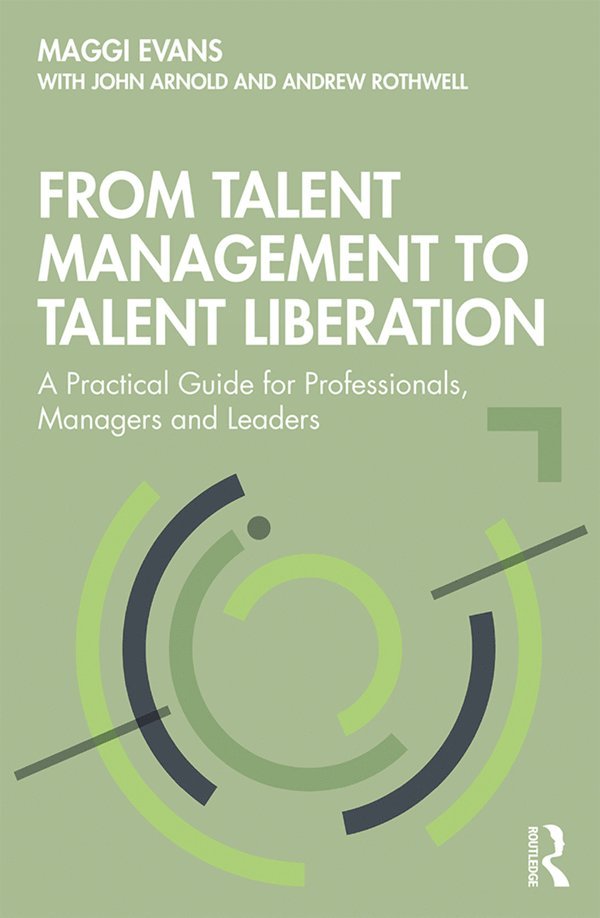
From Talent Management to Talent Liberation
Maggi Evans, John Arnold, Andrew Rothwell
Häftad, 2019
679 kr
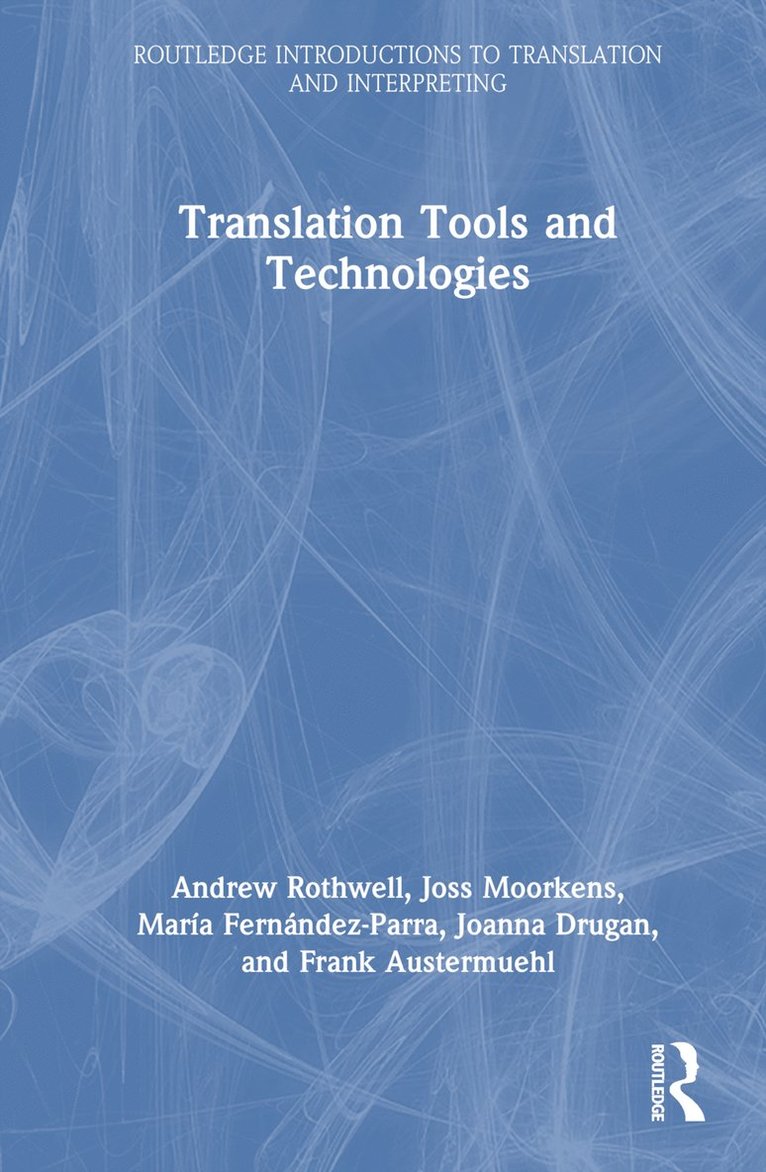
Translation Tools and Technologies
Andrew Rothwell, Joss Moorkens, María Fernández-Parra, Joanna Drugan, Frank Austermuehl
Häftad, 2023
739 kr
Translation Tools and Technologies
Andrew Rothwell, Joss Moorkens, María Fernández-Parra, Joanna Drugan, Frank Austermuehl
Inbunden, 2023
2 789 kr
From Talent Management to Talent Liberation
Maggi Evans, John Arnold, Andrew Rothwell
Inbunden, 2019
2 649 kr