
Del 45 i serien Tourism and Cultural Change
Travel, Tourism and the Moving Image
Häftad, Engelska, 2015
639 kr
Beställningsvara. Skickas inom 5-8 vardagar. Fri frakt för medlemmar vid köp för minst 249 kr.
This book explores the relationship between tourism and the moving image, from the early era of silent moving pictures through to cinema as mass entertainment. It examines how our active and emotional engagement with moving images provides meaning and connection to a place that can affect our decision-making when we travel. It also analyses how our touristic experiences can inform our film-viewing. A range of genres and themes are studied including the significance of the western, espionage, road and gangster movies, along with further study of film studio theme parks and an introduction to the relationship between gaming and travel. This book will appeal to tourism scholars as well as film studies professionals, and is written in an accessible manner for a general audience.
Produktinformation
- Utgivningsdatum2015-07-06
- Mått148 x 210 x 14 mm
- Vikt337 g
- FormatHäftad
- SpråkEngelska
- SerieTourism and Cultural Change
- Antal sidor240
- FörlagChannel View Publications Ltd
- ISBN9781845415273
Tillhör följande kategorier
Hoppa över listan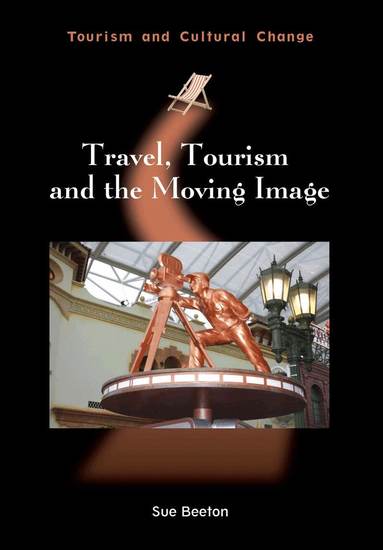




Du kanske också är intresserad av
Del 45
Del 25
Del 76
Del 76
- Nyhet
Del 6
- Nyhet
Del 7
- Nyhet
Del 3