
The Victorian Artist
Artists' Life Writings in Britain, c.1870-1910
Inbunden, Engelska, 2003
1 289 kr
Beställningsvara. Skickas inom 11-20 vardagar. Fri frakt för medlemmar vid köp för minst 249 kr.
Finns i fler format (1)
The Victorian Artist, first published in 2003, examines the origins, development, and explosion of biographical literature on artists in Britain between 1870 and 1910. Analyzing a variety of narrative modes, including gossip, anecdotes, and serialization, as well as the differences among genres - autobiographies, family biographies, biographical histories, and dictionaries - Julie Codell discerns and articulates the multiple, often conflicting identities that were ascribed to artists collectively and as individuals. Her study demonstrates how this body of literature, combined with images of artists' bodies, their works and their studios, reflected anxiety over economic exchanges in the art world, aestheticism, and the desire to tame artists in order to fit them into an emerging national identity as a way of socializing new audiences of readers and spectators. Her book provides a sociological and cultural overview of the art world in Britain in the decades before World War I.
Produktinformation
- Utgivningsdatum2003-08-14
- Mått160 x 236 x 28 mm
- Vikt876 g
- FormatInbunden
- SpråkEngelska
- Antal sidor392
- FörlagCambridge University Press
- ISBN9780521817578
Tillhör följande kategorier
Hoppa över listan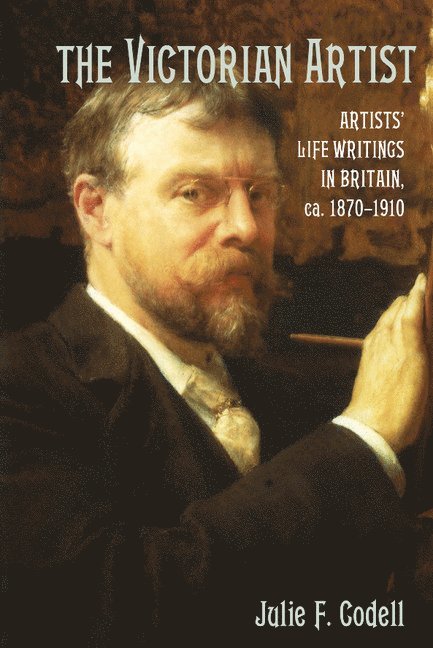
Du kanske också är intresserad av
Escalade 1 Textbok
Birgitta Tillman, Sylvia Martin, Marie Pettersson, Ewa Sandberg, Matts Winblad, Véronique Lönnerblad
Häftad, 2012
399 kr