
Language Assistance under the Voting Rights Act
Are Voters Lost in Translation?
Häftad, Engelska, 2017
709 kr
Beställningsvara. Skickas inom 10-15 vardagar. Fri frakt för medlemmar vid köp för minst 249 kr.
Language Assistance under the Voting Rights Act provides an interesting and unique approach to the problem of translating minority language ballots and evaluating the causes and effects of differences in the translated ballot language. As a whole, this book demonstrates the strong relationship between accessibility, state policy, and the role this has on participation among minority language voters, particularly in the area of direct democracy. This offers insight into the complex relationship that has evolved into the current state of governance across the United States, as well as how covered jurisdictions interact with federally mandated language assistance. By looking at this relationship from a variety of standpoints—including historical and policy analysis, interviews, and statistical analysis—this book shows a new perspective of the translation process and the implications for minority voters and their efficacy.
Produktinformation
- Utgivningsdatum2017-04-12
- Mått149 x 234 x 12 mm
- Vikt227 g
- FormatHäftad
- SpråkEngelska
- Antal sidor138
- FörlagBloomsbury Publishing Plc
- ISBN9780739198117
Tillhör följande kategorier
Hoppa över listan




Mer från samma författare
- Nyhet
Experiential Student Philanthropy
Megan S. Downing, Kajsa C. Larson, Shauna Reilly
Inbunden, 2026
1 499 kr
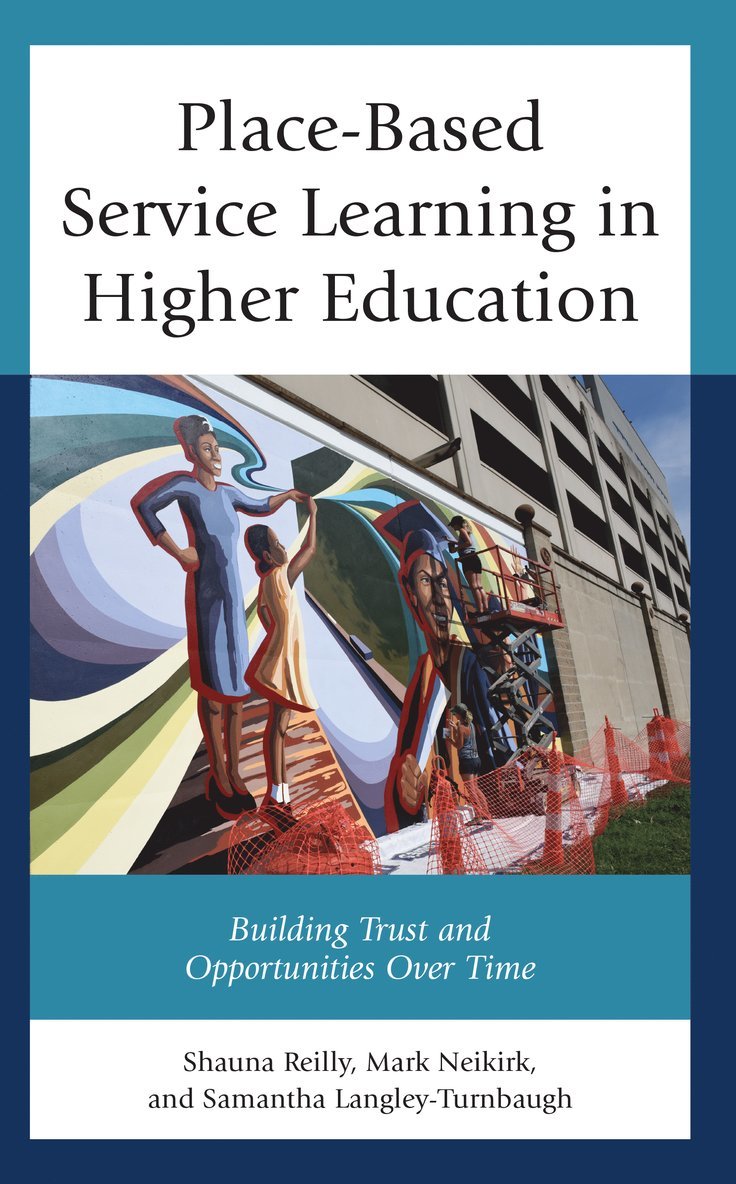
Place-Based Service Learning in Higher Education
Shauna Reilly, Mark Neikirk, Samantha Langley-Turnbaugh
Inbunden, 2023
1 239 kr
Intersection of High-Impact Practices
Shauna Reilly, Samantha Langley-Turnbaugh
Inbunden, 2021
1 499 kr
Hoppa över listan
Du kanske också är intresserad av
Place-Based Service Learning in Higher Education
Shauna Reilly, Mark Neikirk, Samantha Langley-Turnbaugh
Inbunden, 2023
1 239 kr
- Nyhet
Experiential Student Philanthropy
Megan S. Downing, Kajsa C. Larson, Shauna Reilly
Inbunden, 2026
1 499 kr
Intersection of High-Impact Practices
Shauna Reilly, Samantha Langley-Turnbaugh
Inbunden, 2021
1 499 kr