
Generation 1.5 Meets College Composition
Issues in the Teaching of Writing To U.S.-Educated Learners of ESL
Inbunden, Engelska, 1999
1 999 kr
Beställningsvara. Skickas inom 10-15 vardagar. Fri frakt för medlemmar vid köp för minst 249 kr.
Finns i fler format (1)
An increasing number of students graduate from U.S. high schools and enter college while still in the process of learning English. This group--the "1.5 generation"--consisting of immigrants and U.S. residents born abroad as well as indigenous language minority groups, is rapidly becoming a major constituency in college writing programs. These students defy the existing categories in most college writing programs, and in the research literature. Experienced in American culture and schooling, they have characteristics and needs distinct from the international students who have been the subject of most research and literature on ESL writing. Furthermore, in studies of mainstream college composition, basic writing, and diversity, these students' status as second-language learners is usually left unaddressed or even misconstrued as underpreparation. Nevertheless, research and pedagogical writings have yet to take up the particular issues entailed in teaching composition to this student population. The intent in this volume is to bridge this gap and to initiate a dialogue on the linguistic, cultural, and ethical issues that attend teaching college writing to U.S.-educated linguistically diverse students.This book is the first to address explicitly issues in the instruction of "1.5 generation" college writers. From urban New York City to midwestern land grant universities to the Pacific Rim, experienced educators and researchers discuss a variety of contexts, populations, programs, and perspectives. The 12 chapters in this collection, authored by prominent authorities in non-native language writing, are research based and conceptual, providing a research-based survey of who the students are, their backgrounds and needs, and how they are placed and instructed in a variety of settings. The authors frame issues, raise questions, and provide portraits of language minority students and the classrooms and programs that serve them.Together, the pieces paint the landscape of college writing instruction for 1.5 generation students and explore the issues faced by ESL and college writing programs in providing appropriate writing instruction to second-language learners arriving from U.S. high schools. This book serves not only to articulate an issue and set an agenda for further research and discussion, but also to suggest paths toward linguistic and cultural sensitivity in any writing classroom. It is thought-provoking reading for college administrators, writing teachers, and scholars and students of first- and second-language composition.
Produktinformation
- Utgivningsdatum1999-05-01
- Mått152 x 229 x 18 mm
- Vikt630 g
- FormatInbunden
- SpråkEngelska
- Antal sidor256
- FörlagTaylor & Francis Inc
- ISBN9780805829549
Tillhör följande kategorier
Hoppa över listan
Mer från samma författare
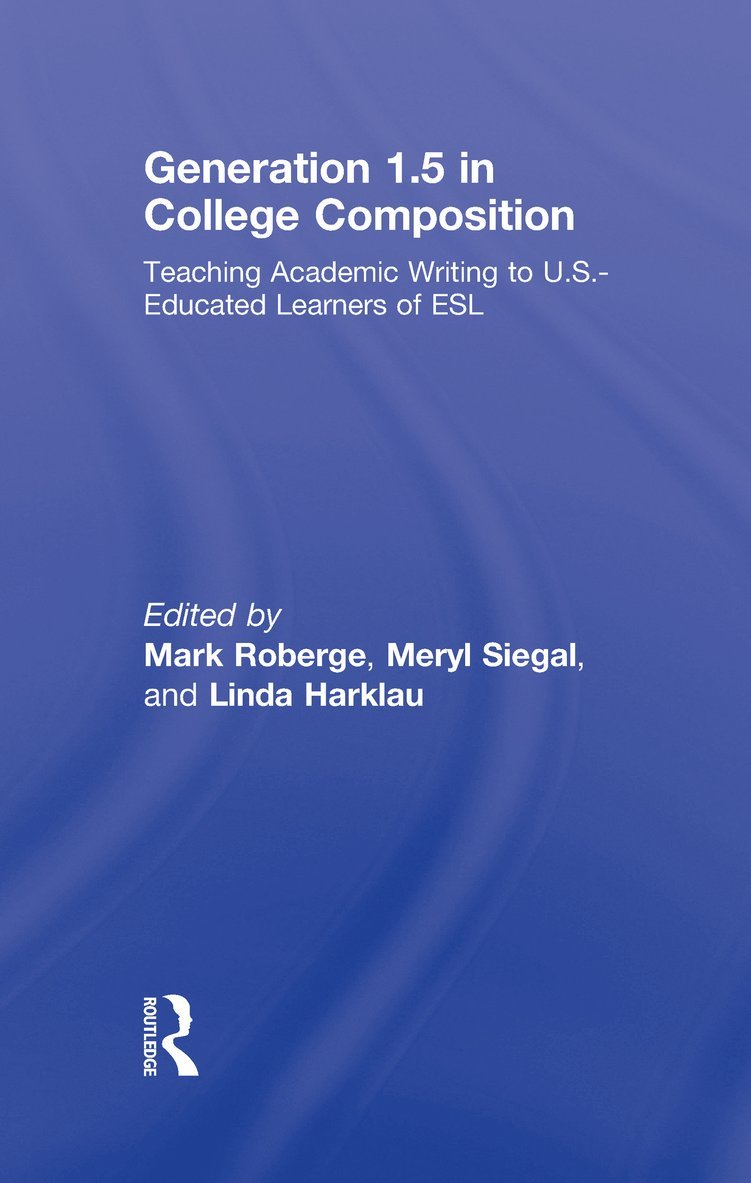
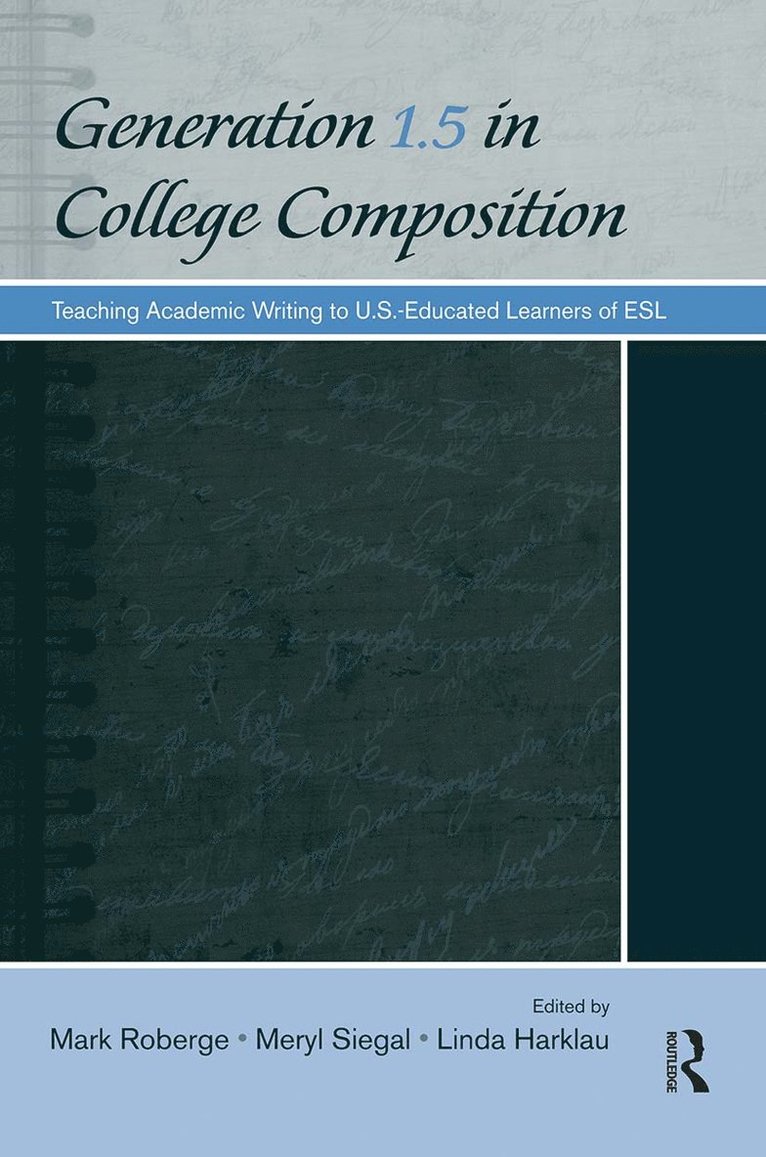
Generation 1.5 in College Composition
Mark Roberge, Meryl Siegal, Linda Harklau
Inbunden, 2009
4 029 kr
Hoppa över listan
Du kanske också är intresserad av
Generation 1.5 in College Composition
Mark Roberge, Meryl Siegal, Linda Harklau
Inbunden, 2009
4 029 kr
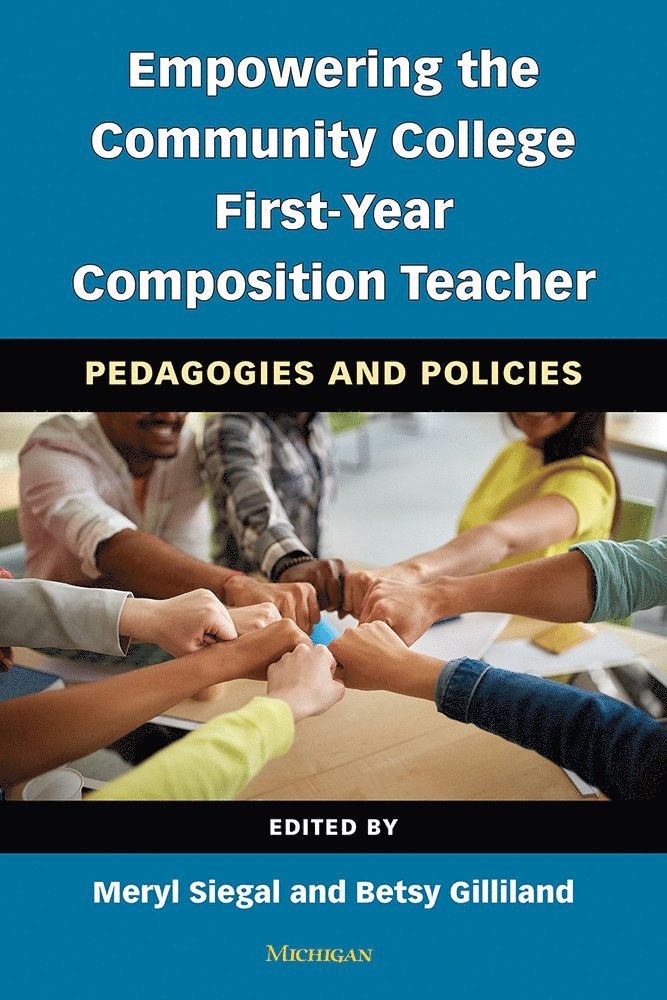
Empowering the Community College First-Year Composition Teacher
Meryl Siegal, Betsy Gilliland
Häftad, 2021
569 kr
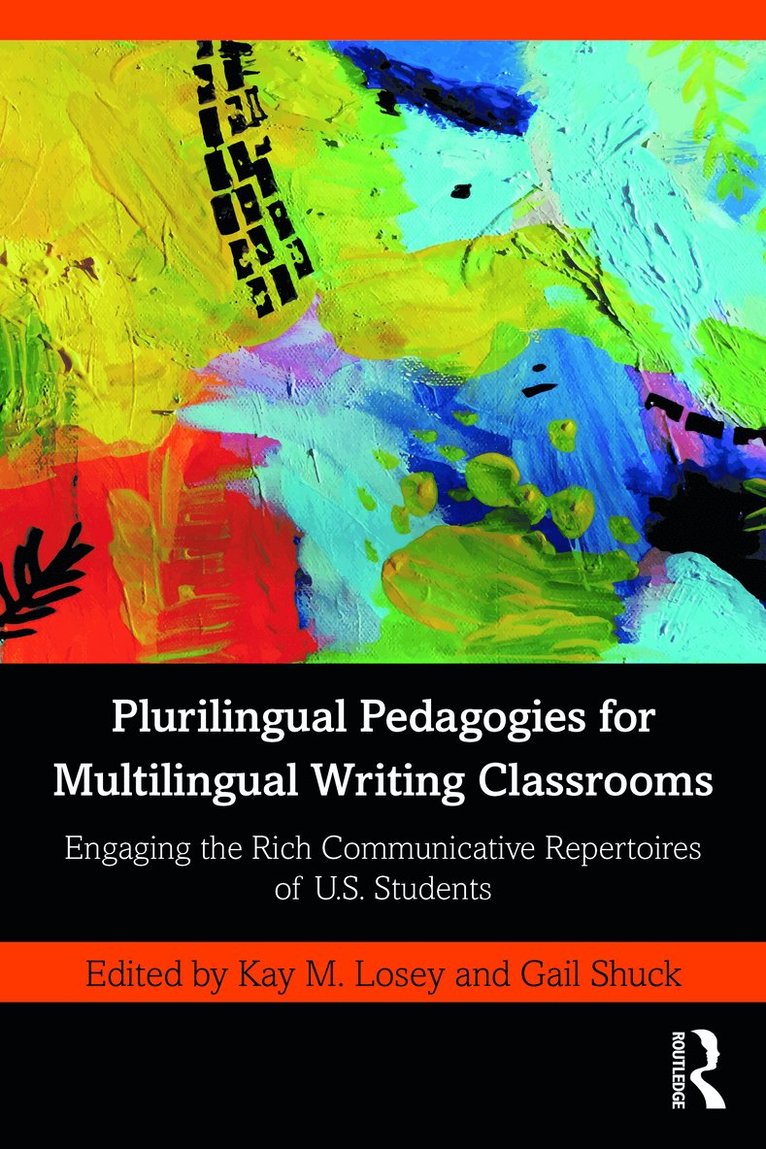
Plurilingual Pedagogies for Multilingual Writing Classrooms
Kay M. Losey, Gail Shuck
Häftad, 2021
809 kr
Plurilingual Pedagogies for Multilingual Writing Classrooms
Kay M. Losey, Gail Shuck
Inbunden, 2021
3 119 kr