
Linguistic Minority Students Go to College
Preparation, Access, and Persistence
Inbunden, Engelska, 2012
3 409 kr
Beställningsvara. Skickas inom 10-15 vardagar. Fri frakt för medlemmar vid köp för minst 249 kr.
Finns i fler format (1)
Currently, linguistic minority students – students who speak a language other than English at home – represent 21% of the entire K-12 student population and 11% of the college student population. Bringing together emerging scholarship on the growing number of college-bound linguistic minority students in the K-12 pipeline, this ground-breaking volume showcases new research on these students’ preparation for, access to, and persistence in college. Other than studies of their linguistic challenges and writing and academic literacy skills in college, little is known about the broader issues of linguistic minority students’ access to and success in college. Examining a variety of factors and circumstances that influence the process and outcome, the scope of this book goes beyond students’ language proficiency and its impact on college education, to look at issues such as student race/ethnicity, gender, SES, and parental education and expectations. It also addresses structural factors in schooling including tracking, segregation of English learners from English-fluent peers, availability and support of institutional personnel, and collegiate student identity and campus climate. Presenting state-of-the-art knowledge and mapping out a future research agenda in an extremely important and yet understudied area of inquiry, this book advances knowledge in ways that will have a real impact on policy regarding linguistic minority immigrant students’ higher education opportunities.
Produktinformation
- Utgivningsdatum2012-03-20
- Mått152 x 229 x 20 mm
- Vikt680 g
- FormatInbunden
- SpråkEngelska
- Antal sidor280
- FörlagTaylor & Francis Ltd
- ISBN9780415890618
Tillhör följande kategorier
Hoppa över listan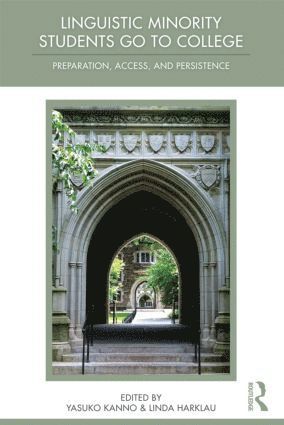

Du kanske också är intresserad av
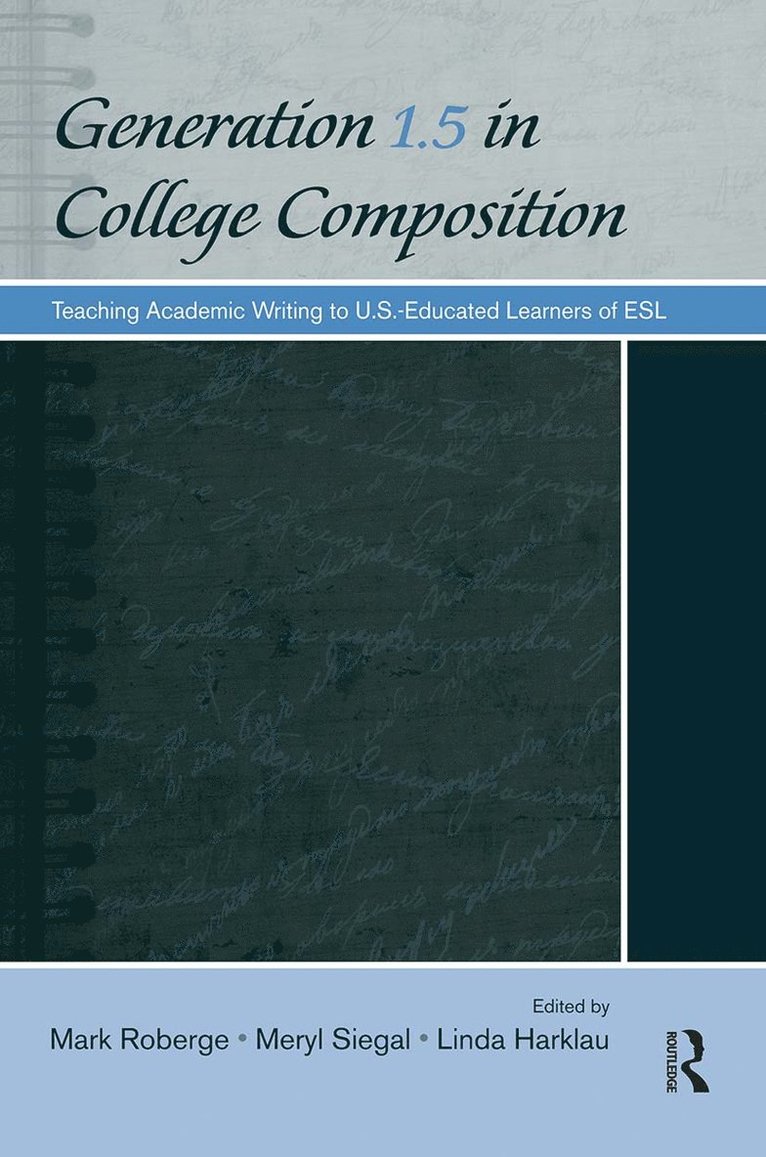
Generation 1.5 in College Composition
Mark Roberge, Meryl Siegal, Linda Harklau
Inbunden, 2009
4 029 kr
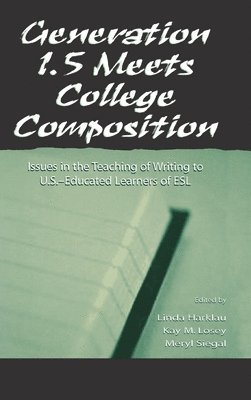
Generation 1.5 Meets College Composition
Linda Harklau, Kay M. Losey, Meryl Siegal
Inbunden, 1999
1 999 kr
Del 27