
Gardens of Love and the Limits of Morality in Early Netherlandish Art
Inbunden, Engelska, 2019
4 079 kr
Beställningsvara. Skickas inom 5-8 vardagar. Fri frakt för medlemmar vid köp för minst 249 kr.
In Gardens of Love and the Limits of Morality in Early Netherlandish Art, Andrea Pearson charts the moralization of human bodies in late medieval and early modern visual culture, through paintings by Jan van Eyck and Hieronymus Bosch, devotional prints and illustrated books, and the celebrated enclosed gardens of Mechelen among other works.Drawing on new archival evidence and innovative visual analysis to reframe familiar religious discourses, she demonstrates that depicted topographies advanced and sometimes resisted bodily critiques expressed in scripture, conduct literature, and even legislation. Governing many of these redemptive greenscapes were the figures of Christ and the Virgin Mary, archetypes of purity whose spiritual authority was impossible to ignore, yet whose mysteries posed innumerable moral challenges. The study reveals that bodily status was the fundamental problem of human salvation, in which artists, patrons, and viewers alike had an interpretive stake.
Produktinformation
- Utgivningsdatum2019-03-07
- Mått155 x 235 x 21 mm
- Vikt834 g
- FormatInbunden
- SpråkEngelska
- SerieBrill's Studies on Art, Art History, and Intellectual History
- Antal sidor358
- FörlagBrill
- ISBN9789004392953
Tillhör följande kategorier
Hoppa över listan




Mer från samma författare
Del 9
Single Mom...Slaying It!: An Empowering Resource Guide to Expand Your Superpowers
Andrea Pearson
Häftad
249 kr
Feminist Friendships, Collaborations, and Networks in the Visual Arts
Jennifer Griffiths, Andrea Pearson
Inbunden, 2026
2 019 kr
- Nyhet
Hoppa över listan
Mer från samma serie
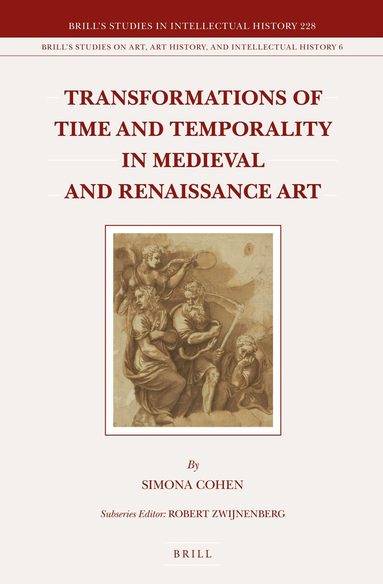
Transformations of Time and Temporality in Medieval and Renaissance Art
Simona Cohen
Inbunden, 2014
3 999 kr
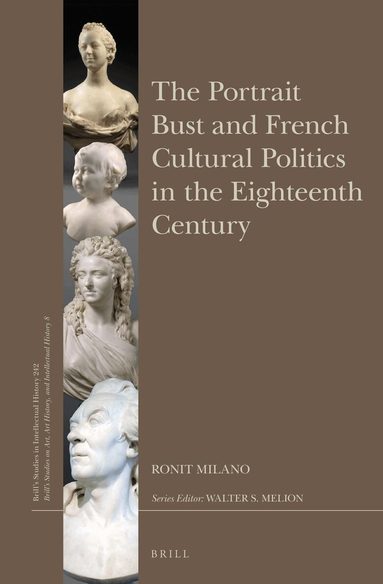
Portrait Bust and French Cultural Politics in the Eighteenth Century
Ronit Milano
Inbunden, 2015
3 859 kr
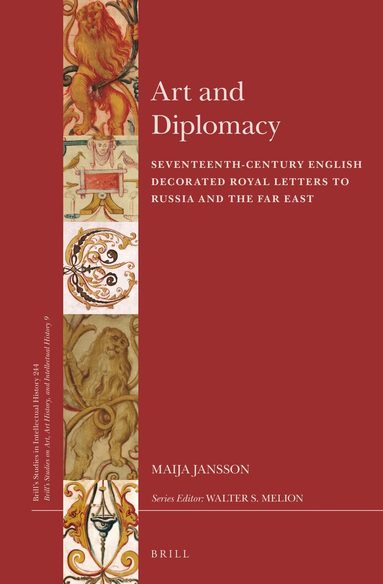
Art and Diplomacy: Seventeenth-Century English Decorated Royal Letters to Russia and the Far East
Maija Jansson
Inbunden, 2015
3 999 kr
Hoppa över listan

Du kanske också är intresserad av
- Nyhet
Feminist Friendships, Collaborations, and Networks in the Visual Arts
Jennifer Griffiths, Andrea Pearson
Inbunden, 2026
2 019 kr
Del 9
Single Mom...Slaying It!: An Empowering Resource Guide to Expand Your Superpowers
Andrea Pearson
Häftad
249 kr
- Nyhet
Del 7
- Nyhet
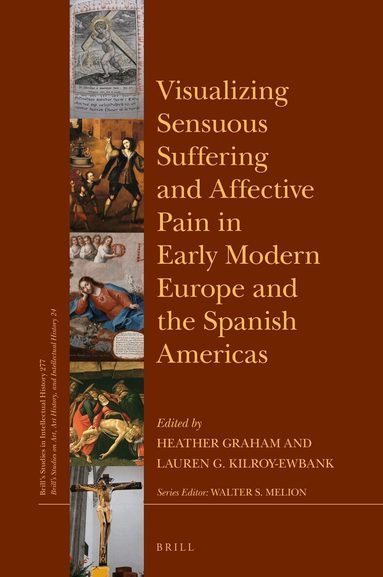
Visualizing Sensuous Suffering and Affective Pain in Early Modern Europe and the Spanish Americas
Heather Graham
Inbunden, 2018
4 019 kr