
Del 1
Del 28 i serien Metaforms
Ancient Latin Epics in Girolamo Vida’s Christiad
Inbunden, Engelska, 2025
2 979 kr
Beställningsvara. Skickas inom 3-6 vardagar. Fri frakt för medlemmar vid köp för minst 249 kr.
The Christiad (1535) is a Neo-Latin epic by the Italian Renaissance writer Girolamo Vida, based on the Gospels and written at the behest of Pope Leo X. Long seen as a Christian Aeneid, it emerges in this study as a far more complex work, demonstrating that while Virgil remains the main model, Vida also engages deeply with Lucretius, Ovid, Lucan, Silius Italicus, and Statius. By examining Vida’s imitative techniques and integration of multiple epic models, this monograph reassesses the Christiad’s relationship with the ancient Latin epic tradition. In doing so, it sheds new light on the afterlife of these classical poems as print made them more widely available.
Produktinformation
- Utgivningsdatum2025-09-25
- Mått155 x 235 x 21 mm
- Vikt557 g
- FormatInbunden
- SpråkEngelska
- SerieMetaforms
- Antal sidor252
- FörlagBrill
- ISBN9789004738669
Tillhör följande kategorier
Hoppa över listan
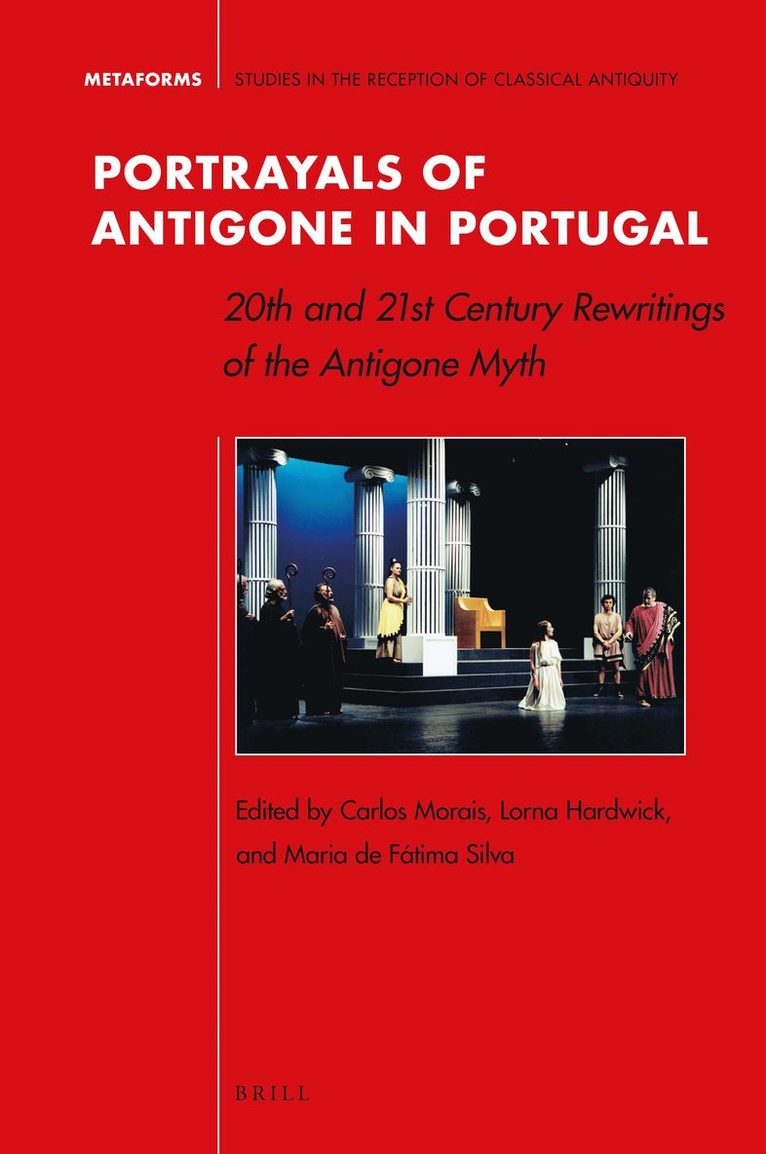
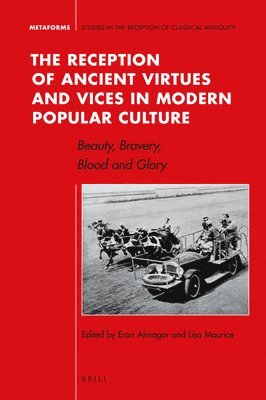
Mer från samma serie
Del 2
Del 3
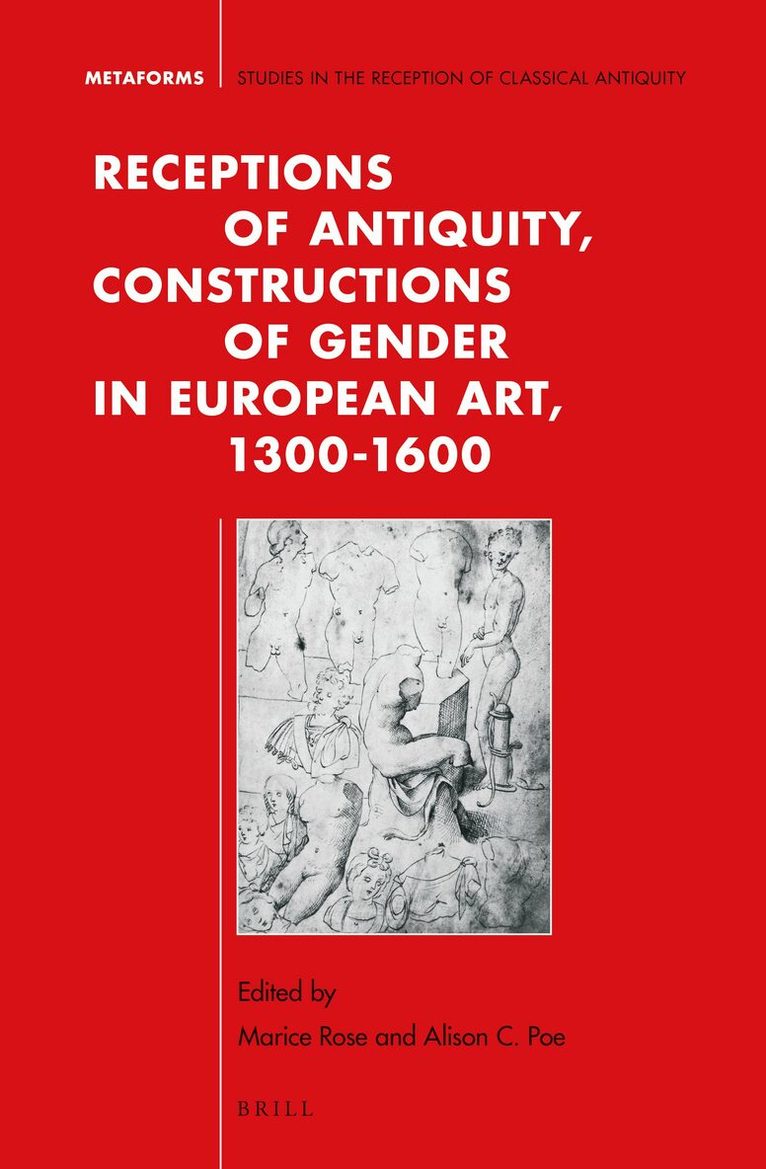
Receptions of Antiquity, Constructions of Gender in European Art, 1300-1600
Marice Rose
Inbunden, 2015
4 019 kr
Del 4
Del 5
Del 6
Del 8
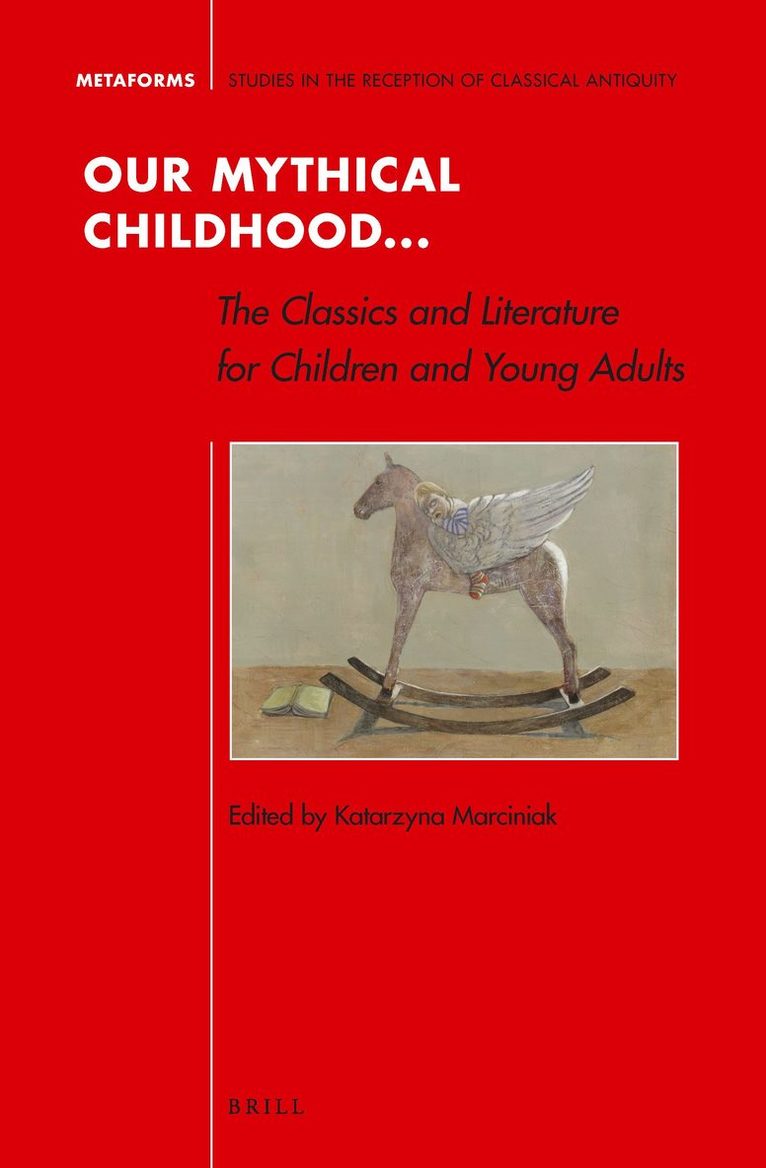
Our Mythical Childhood... The Classics and Literature for Children and Young Adults
Katarzyna Marciniak
Inbunden, 2016
4 439 kr
Del 7
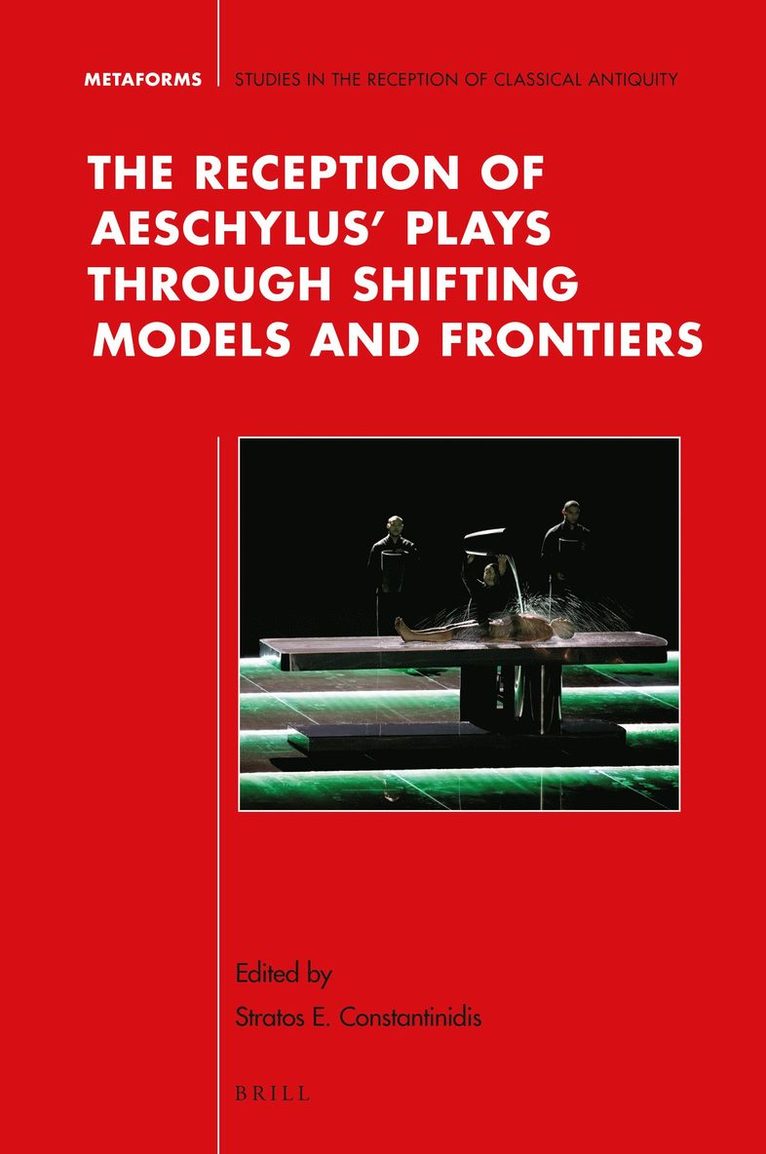
Reception of Aeschylus’ Plays through Shifting Models and Frontiers
Stratos Constantinidis
Inbunden, 2016
3 689 kr
Del 9
Del 11
Hoppa över listan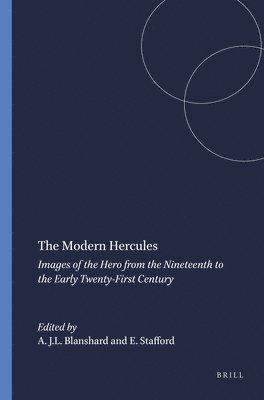

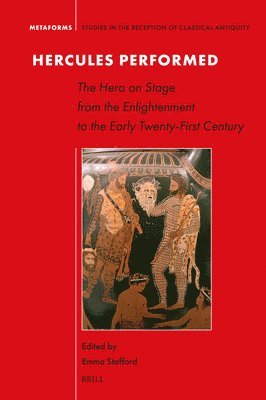
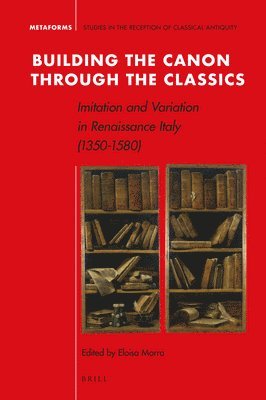
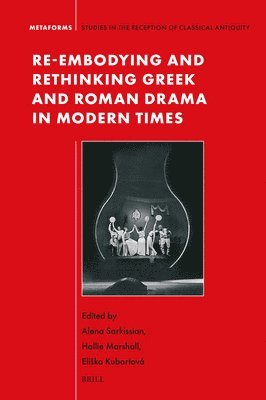
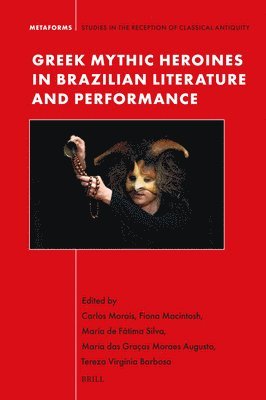
Du kanske också är intresserad av
Del 9
Del 21
Del 24
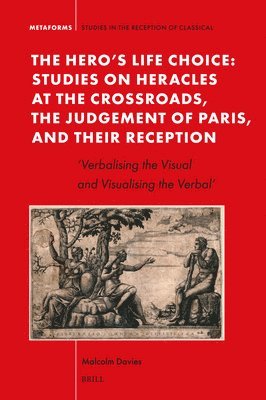
Hero's Life Choice. Studies on Heracles at the Crossroads, the Judgement of Paris, and Their Reception
Malcolm Davies
Inbunden, 2023
3 489 kr
Del 20
Exemplary Hercules from the Renaissance to the Enlightenment and Beyond
Valerie Mainz
Inbunden, 2020
3 229 kr
Del 7
Reception of Aeschylus’ Plays through Shifting Models and Frontiers
Stratos Constantinidis
Inbunden, 2016
3 689 kr
Del 25
Del 15
Del 27
Del 23
Del 16
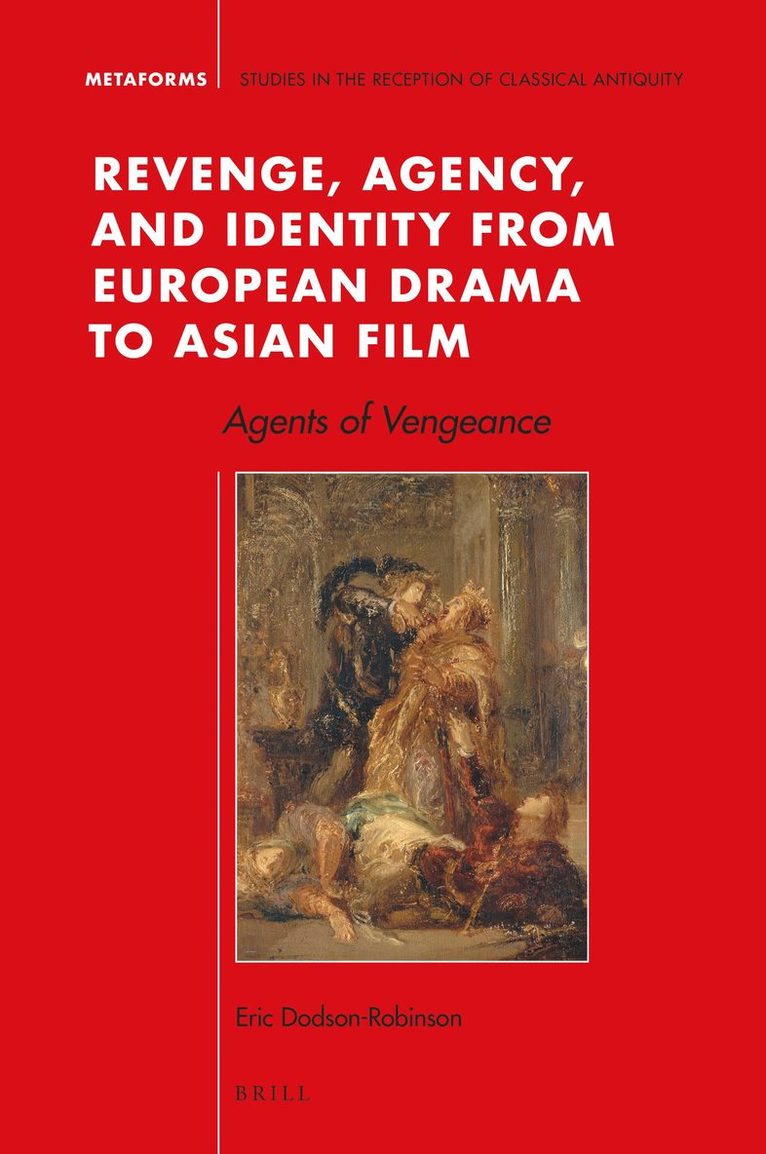
Revenge, Agency, and Identity from European Drama to Asian Film
Eric Dodson-Robinson
Inbunden, 2019
2 929 kr