
Del i serien Politics, Media and Political Communication
Adolescence, Identity, and the Politics of Recognition in the Social Media Era
Being and Becoming After the Algorithmic Turn
Inbunden, Engelska, 2026
3 209 kr
Beställningsvara. Skickas inom 10-15 vardagar. Fri frakt för medlemmar vid köp för minst 249 kr.
Adolescence, Identity, and the Politics of Recognition in the Social Media Era explores the political identity formation of adolescents online, with a focus on recognition theory, affect, and lived experiences of belonging and non-belonging.In a socio-political moment characterised by culture wars and epistemic disjunctures, largely facilitated by the algorithmic logics of modern social media technologies, people are increasingly turning their attention to the role of social media in political belief formation, rising populism, and polarisation. Understanding how these dynamics inform the developing political identities of young people coming of age online is, however, under-explored. In response, this book examines how the desire for recognition and belonging drives identity articulation and political affiliation—both online and offline—for teens negotiating identity construction in the digital era. Using interviews and surveys with New Zealand teens, and employing recognition theory, the book discusses findings which demonstrate how the political identities of adolescents are informed by their relationships with others and mediated by the algorithmic logics of social media platforms. The main themes in the book explore how social media adoption has become a rite of passage for young people in Aotearoa New Zealand and around the world, facilitating new sites and pathways for recognition. Additionally, insofar as these sites are governed by algorithmic technologies, they demonstrate potential to both facilitate and inhibit capacities for autonomy, connection, and meaningful recognition of both self and others.Adolescence, Identity, and the Politics of Recognition in the Social Media Era will be of great interest to students and scholars of Politics and Communication Studies, as well as Social Anthropology, Sociology, Youth Studies, and Education.
Produktinformation
- Utgivningsdatum2026-03-23
- Mått156 x 234 x 18 mm
- Vikt630 g
- FormatInbunden
- SpråkEngelska
- SeriePolitics, Media and Political Communication
- Antal sidor240
- FörlagTaylor & Francis Ltd
- ISBN9781041070627
Tillhör följande kategorier
Hoppa över listan

Mer från samma serie
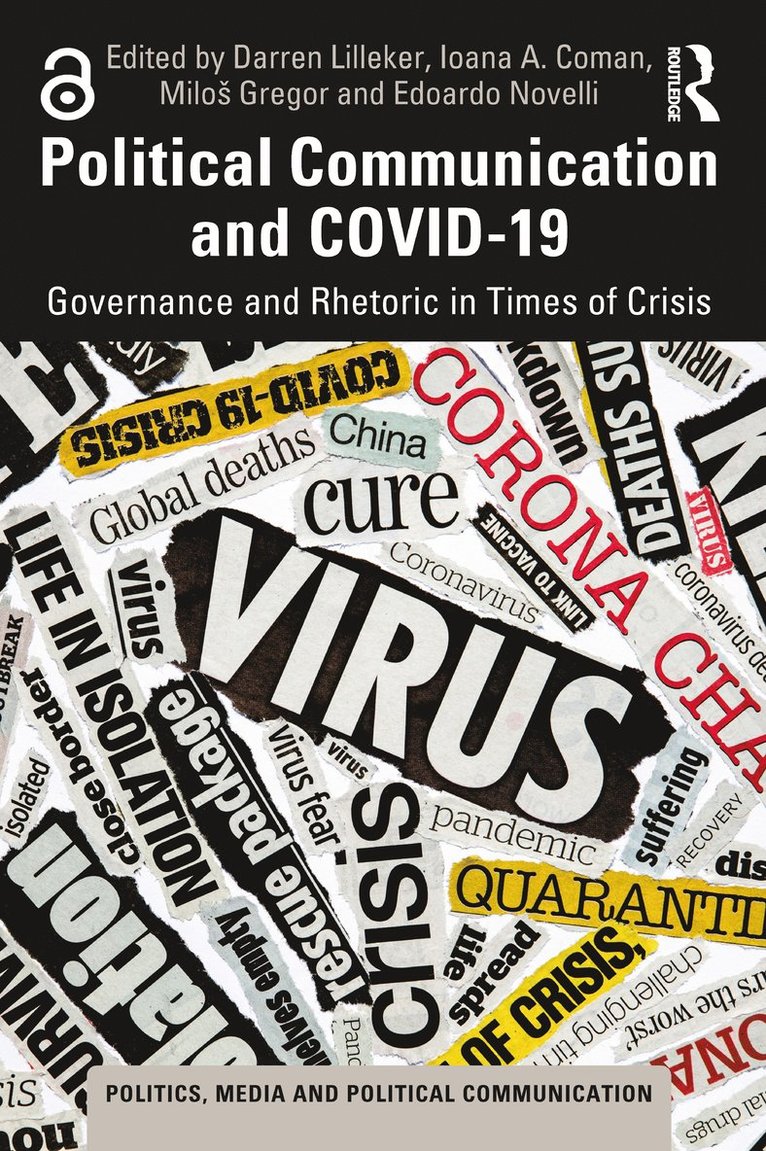
Political Communication and COVID-19
Darren Lilleker, Ioana A. Coman, Miloš Gregor, Edoardo Novelli
Häftad, 2021
849 kr
Political Communication and COVID-19
Darren Lilleker, Ioana A. Coman, Miloš Gregor, Edoardo Novelli
Inbunden, 2021
3 299 kr
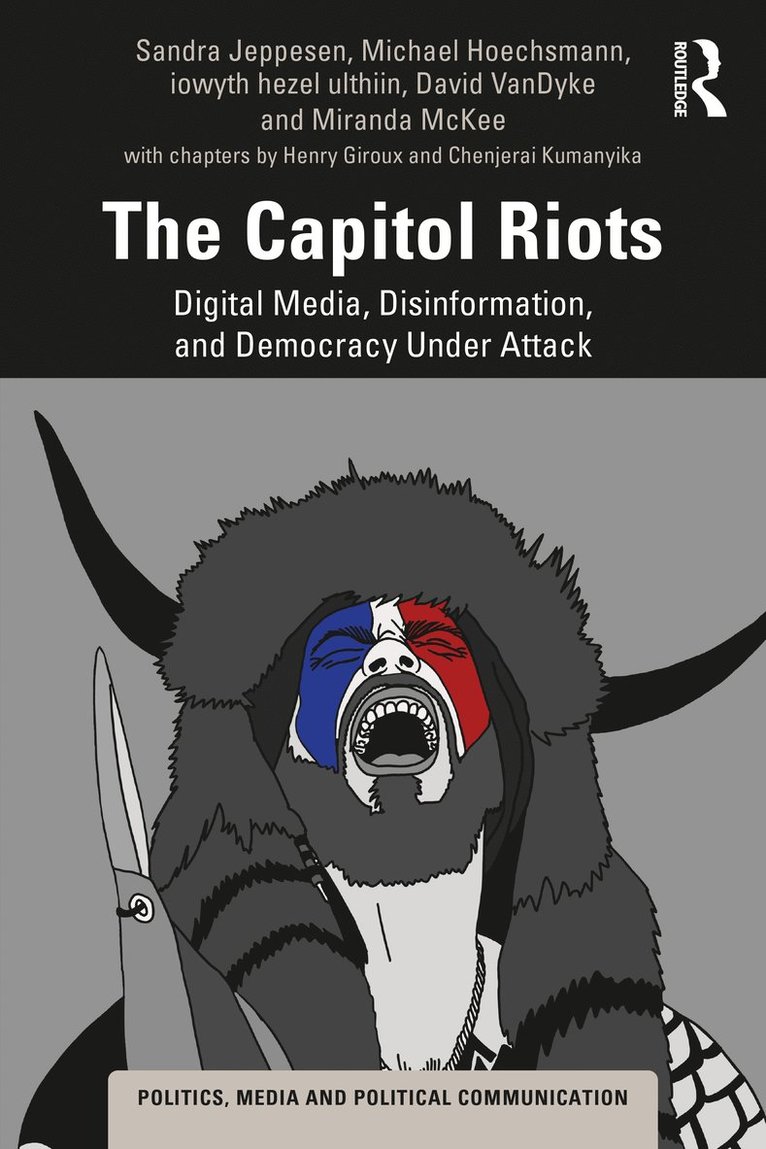
Capitol Riots
Sandra Jeppesen, Michael Hoechsmann, iowyth hezel ulthiin, David VanDyke, Miranda McKee
Häftad, 2022
809 kr
Capitol Riots
Sandra Jeppesen, Michael Hoechsmann, iowyth hezel ulthiin, David VanDyke, Miranda McKee
Inbunden, 2022
3 209 kr
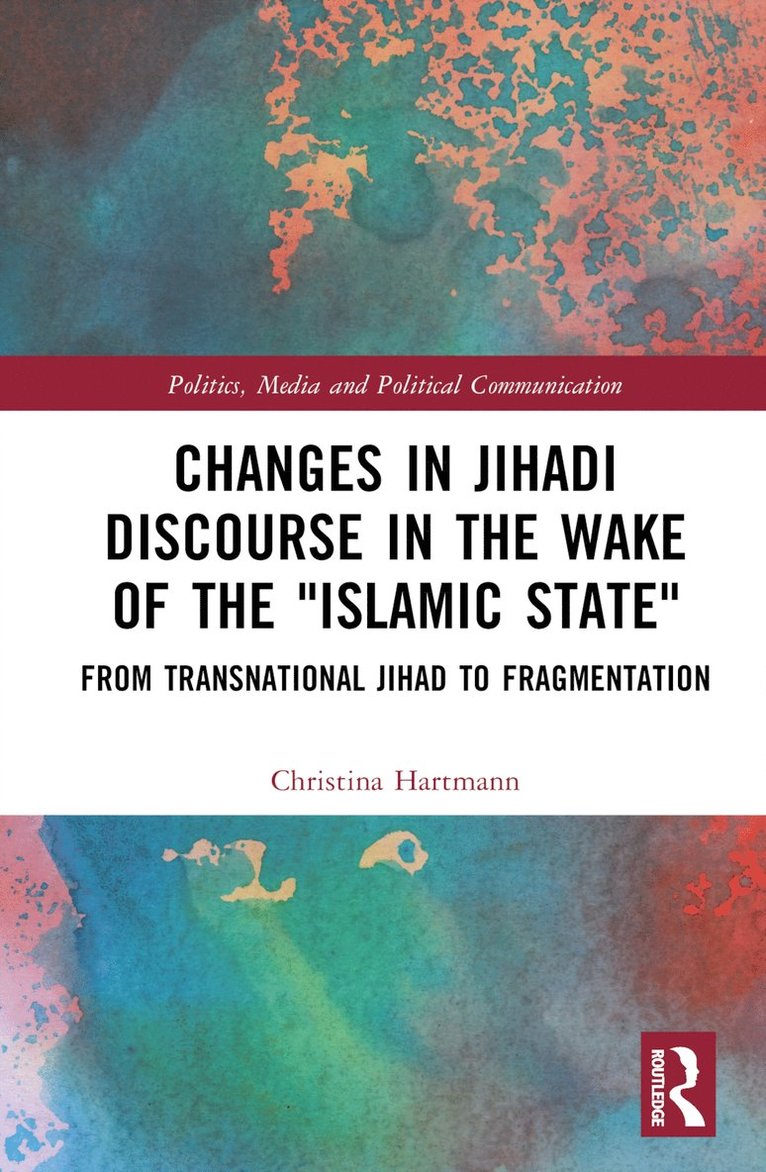
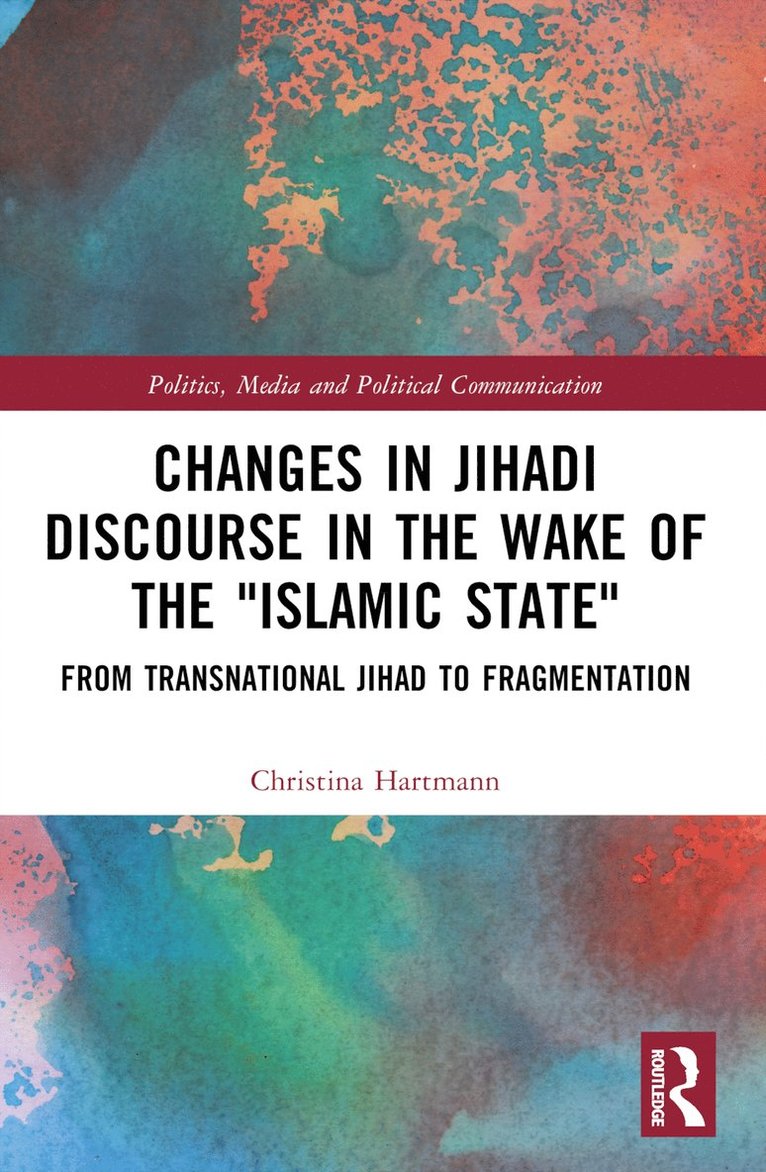
Changes in Jihadi Discourse in the Wake of the "Islamic State"
Christina Hartmann
Inbunden, 2022
2 719 kr
Hoppa över listan



Du kanske också är intresserad av
Capitol Riots
Sandra Jeppesen, Michael Hoechsmann, iowyth hezel ulthiin, David VanDyke, Miranda McKee
Häftad, 2022
809 kr
- Nyhet
Hate Speech, Political Correctness, and Cancel Culture
Oscar Pérez de la Fuente, Enrique Armijo
Inbunden, 2026
3 209 kr
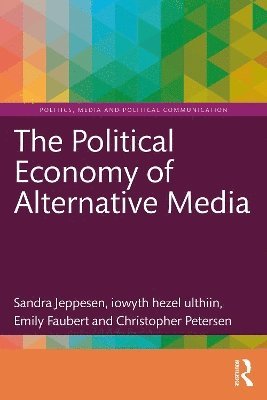
Political Economy of Alternative Media
Sandra Jeppesen, Emily Faubert, iowyth hezel ulthiin, Christopher C. Petersen
Inbunden, 2026
3 209 kr
- Nyhet
Del 3
- Nyhet
Del 4
Changes in Jihadi Discourse in the Wake of the "Islamic State"
Christina Hartmann
Inbunden, 2022
2 719 kr
- Nyhet
Del 11