
Del i serien Bloomsbury Studies in Philosophy of Religion
Why God Must Do What is Best
A Philosophical Investigation of Theistic Optimism
Häftad, Engelska, 2023
549 kr
Beställningsvara. Skickas inom 10-15 vardagar. Fri frakt för medlemmar vid köp för minst 249 kr.
Finns i fler format (1)
The idea that God, understood as the most perfect being, must create the best possible world is often underacknowledged by contemporary theologians and philosophers of religion. This book clearly demonstrates the rationale for what Justin J. Daeley calls Theistic Optimism and interacts with the existing literature in order to highlight its limitations. While locating Theistic Optimism in the thought of Gottfried Leibniz, Daeley argues that Theistic Optimism is consistent with divine freedom, aseity, gratitude, and our typical modal intuitions. By offering plausible solutions to each of the criticisms levelled against Theistic Optimism, he also provides a vigorous and original defence against the charge that it deviates from the Christian tradition.Engaging with both the Christian tradition and contemporary theologians and philosophers, Why God Must Do What is Best positions the idea of Theistic Optimism firmly within the language of contemporary philosophy of religion.
Produktinformation
- Utgivningsdatum2023-04-20
- Mått154 x 232 x 12 mm
- Vikt320 g
- FormatHäftad
- SpråkEngelska
- SerieBloomsbury Studies in Philosophy of Religion
- Antal sidor208
- FörlagBloomsbury Publishing PLC
- ISBN9781350268463
Tillhör följande kategorier
Hoppa över listan

Mer från samma serie
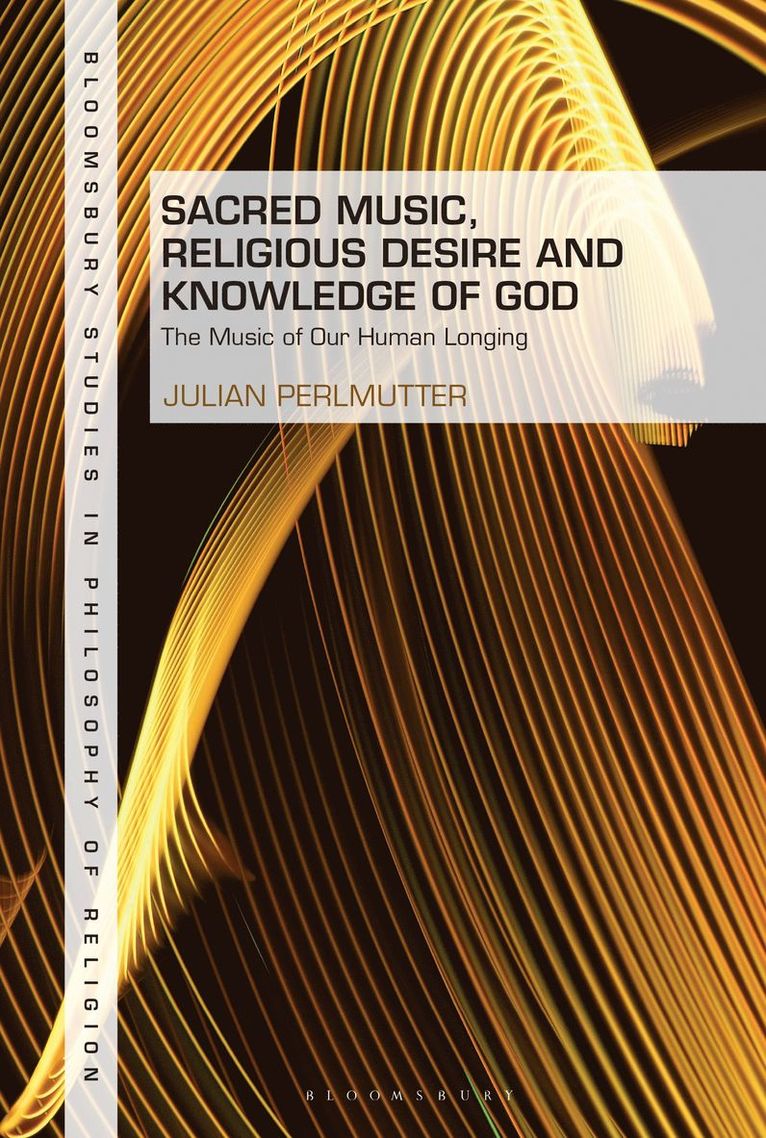
Sacred Music, Religious Desire and Knowledge of God
Julian Perlmutter, Stewart Goetz
Inbunden, 2020
1 999 kr
Spiritual Geography of Early Chinese Thought
Kelly James Clark, Justin Winslett, Stewart Goetz
Inbunden, 2023
1 639 kr
Spiritual Geography of Early Chinese Thought
Kelly James Clark, Justin Winslett, Stewart Goetz
Häftad, 2024
549 kr
Sacred Music, Religious Desire and Knowledge of God
Julian Perlmutter, Stewart Goetz
Häftad, 2021
609 kr
- Nyhet