
Under Divine Auspices
Divine Ideology and the Visualisation of Imperial Power in the Severan Period
Inbunden, Engelska, 2013
2 129 kr
Beställningsvara. Skickas inom 5-8 vardagar. Fri frakt för medlemmar vid köp för minst 249 kr.
This book explores how deities were used to communicate and negotiate imperial power under the Severan dynasty (AD 193-235). Septimius Severus connected his reign to the divine support of Liber Pater and Hercules, while Caracalla placed a particular emphasis on the gods Apollo, Aesculapius and Sarapis. Elagabalus' reign was characterised by the worship of the Emesene deity Elagabal, which resulted in a renewed emphasis on the cult of Jupiter under Severus Alexander. Numismatic evidence is reintegrated into the wider material culture of the Severan period in order to bring new insights into the use of the divine in this period, as well as the role played by the provinces in the formation and reception of this ideology. By taking a dynastic approach, this book demonstrates the dynamic nature of the imperial public image and the complex dialogue that existed between Rome and the wider Empire in this period.
Produktinformation
- Utgivningsdatum2013-01-03
- Mått180 x 254 x 20 mm
- Vikt800 g
- FormatInbunden
- SpråkEngelska
- Antal sidor317
- FörlagCambridge University Press
- ISBN9781107020122
Tillhör följande kategorier
Hoppa över listan
Mer från samma författare
Del 2592
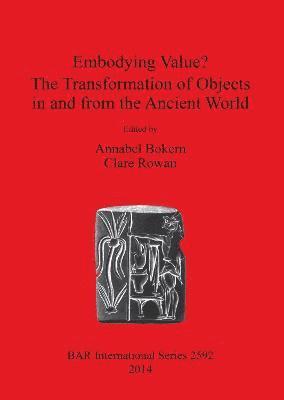
Embodying Value The Transformation of Objects in and from the Ancient World
Clare Rowan, Annabel Bokern, Clare Rowan
Häftad, 2014
499 kr
Hoppa över listan



Du kanske också är intresserad av
Del 2592
Embodying Value The Transformation of Objects in and from the Ancient World
Clare Rowan, Annabel Bokern, Clare Rowan
Häftad, 2014
499 kr
- Nyhet
Del 11
- Nyhet
Del 3
- Nyhet
- Nyhet
- Nyhet
Del 6