
Del i serien Cambridge Introductions to Literature
The Cambridge Introduction to Digital Humanities
- Nyhet
Inbunden, Engelska, 2026
1 849 kr
Beställningsvara. Skickas inom 11-20 vardagar. Fri frakt för medlemmar vid köp för minst 249 kr.
How are the humanities transformed in the digital era? This book describes the reconstruction of the humanities after the largest shifts in the production of knowledge since the printing press. It addresses a wide range of disciplines, providing a history of those shifts and how humanists have responded to them. It argues that we are all digital humanists now, since we are all addressed by an era of pervasive digital research, reading, teaching, and learning. This book provides a history of digital transformations in the humanities since the first computers, defines the digital humanities through specific communities, conversations, tactics, and intersections, and poses the key questions of the field. Rather than particular technologies or tools, this Introduction centers on the lasting intellectual objects, methods, and concerns of the humanities from the late medieval period to the explosive growth of generative AI.
Produktinformation
- Utgivningsdatum2026-09-17
- Mått152 x 229 x 11 mm
- Vikt292 g
- FormatInbunden
- SpråkEngelska
- SerieCambridge Introductions to Literature
- Antal sidor212
- FörlagCambridge University Press
- ISBN9781108839419
Tillhör följande kategorier
Hoppa över listan


Mer från samma författare
Digital Futures of Graduate Study in the Humanities
Gabriel Hankins, Anouk Lang, Simon Appleford
Inbunden, 2024
1 969 kr
Digital Futures of Graduate Study in the Humanities
Gabriel Hankins, Anouk Lang, Simon Appleford
Häftad, 2024
479 kr
Hoppa över listan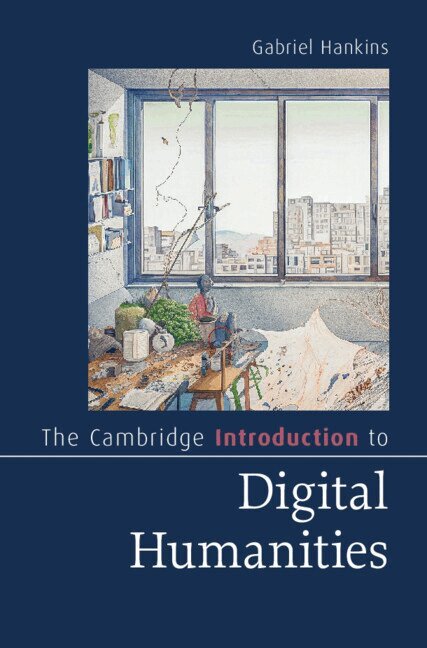






Du kanske också är intresserad av
Digital Futures of Graduate Study in the Humanities
Gabriel Hankins, Anouk Lang, Simon Appleford
Häftad, 2024
479 kr
Digital Futures of Graduate Study in the Humanities
Gabriel Hankins, Anouk Lang, Simon Appleford
Inbunden, 2024
1 969 kr
- Nyhet
Del 3
- Nyhet
Del 11
- Nyhet
- Nyhet
Del 6
Del 2
Del 1