
Social Conscience and Responsibility
Teaching the Common Good in Secondary Education
Häftad, Engelska, 2020
479 kr
Beställningsvara. Skickas inom 10-15 vardagar. Fri frakt för medlemmar vid köp för minst 249 kr.
How we teach ethics has been an ambiguous instructional area for many years. In religious schools it is left to the work of the religion teacher, and in public schools it is often incorporated into a civics course. Across the curriculum there are multiple points at which we can incorporate the study of ethics in interdisciplinary ways.In this volume we will focus on how educators in high schools (grades 9-12) can incorporate the teaching of ethics effectively across all disciplines (Sciences, Humanities, Arts, Math and Technology).The introduction of the book will be a foundational description of ethics - what it means to study ethics and to be an ethical person.
Produktinformation
- Utgivningsdatum2020-02-29
- Mått152 x 223 x 10 mm
- Vikt245 g
- FormatHäftad
- SpråkEngelska
- SerieTeaching Ethics across the American Educational Experience
- Antal sidor150
- FörlagBloomsbury Publishing Plc
- ISBN9781475846928
Tillhör följande kategorier
Hoppa över listan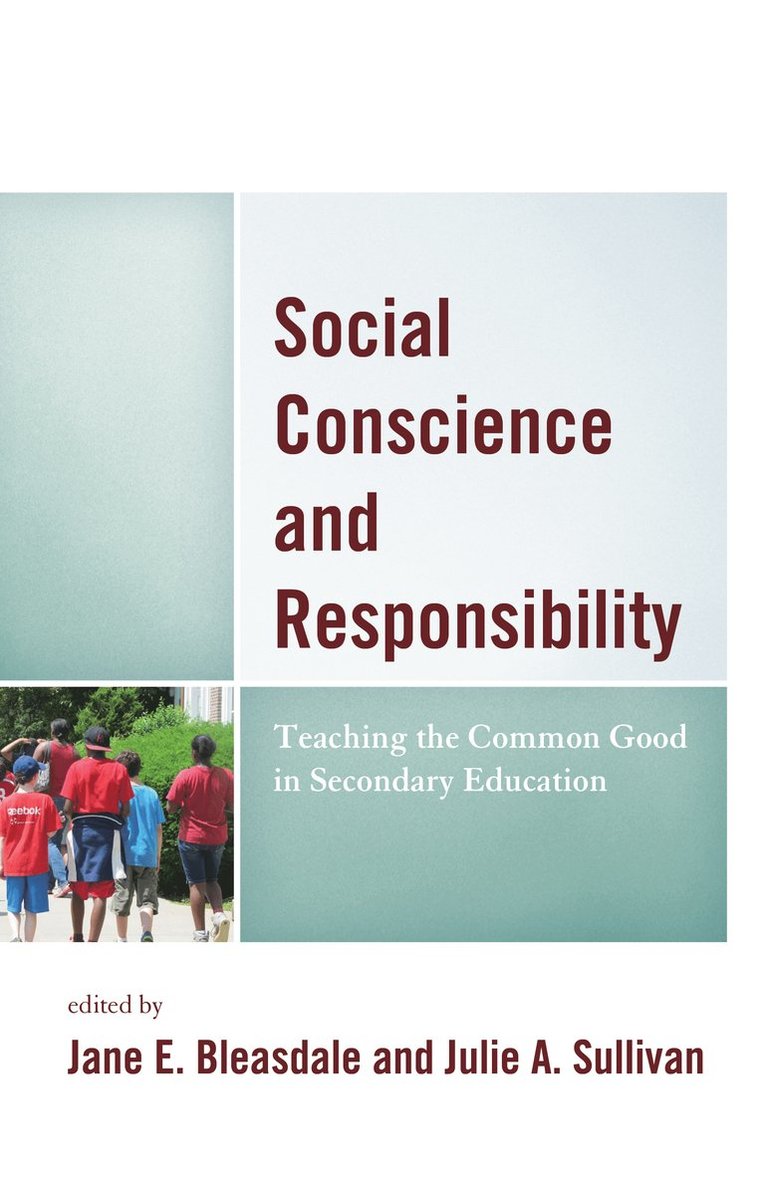





Du kanske också är intresserad av
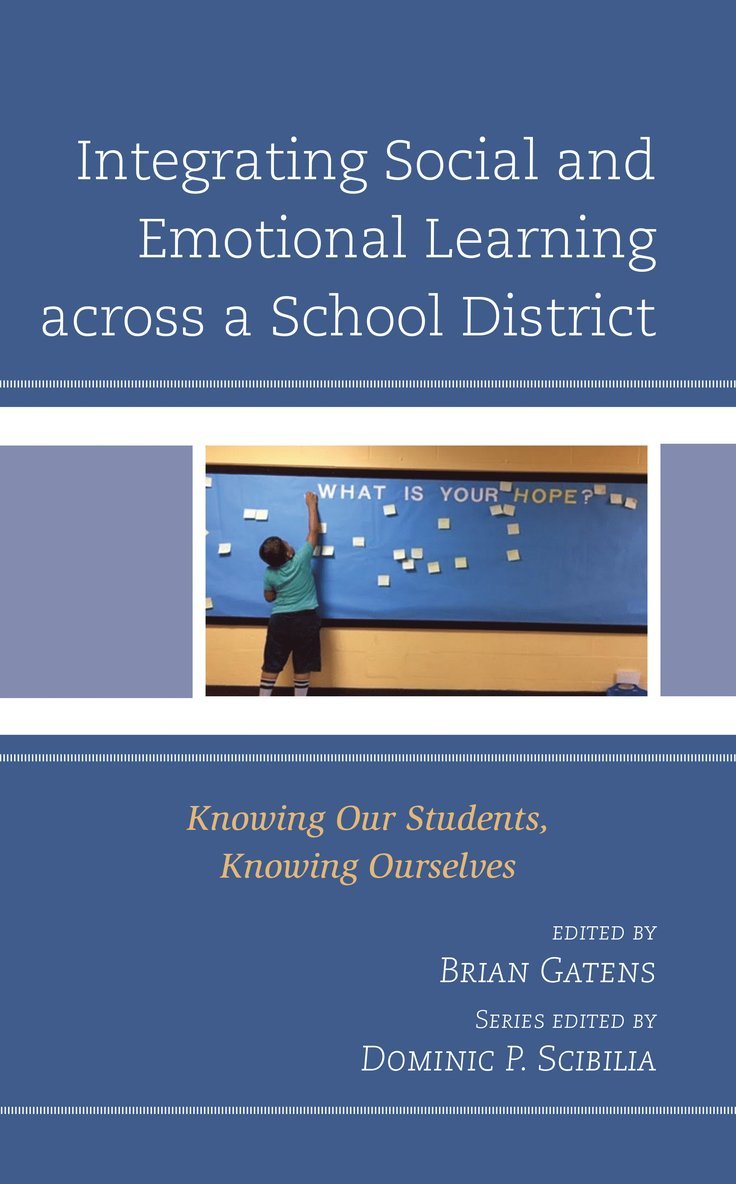
Integrating Social and Emotional Learning across a School District
Brian Gatens
Inbunden, 2021
1 329 kr
- Nyhet
Del 11
- Nyhet
Del 3
- Nyhet
Del 3