
Del i serien Beyond Medieval Europe
Rise and Demise of the Myth of the Rus’ Land
Häftad, Engelska, 2023
609 kr
Beställningsvara. Skickas inom 5-8 vardagar. Fri frakt för medlemmar vid köp för minst 249 kr.
Finns i fler format (1)
The concept of the Rus’ Land (russkaia zemlia) became and remained an historical myth of modern Russian nationalism as the equivalent of “Russia,” but it was actually a political myth, manipulated to provide legitimacy. Its meaning was dynastic—territories ruled by a member of the Riurikid/Volodimerovich princely clan. This book traces the history of its use from the tenth to the seventeenth century, outlining its changing religious (pagan to Christian) and geographic elements (from the Dnieper River valley in Ukraine in Kievan Rus’ to Muscovy in Russia) and considers alternative “land” concepts which failed to rise to the ideological heights of the Rus’ Land. Although the Rus’ Land was never an ethnic or national concept, and never expanded its appeal beyond an elite lay and clerical audience, understanding its evolution sheds light upon the cultural and intellectual history of the medieval and early modern East Slavs.
Produktinformation
- Utgivningsdatum2023-09-30
- Mått152 x 229 x undefined mm
- FormatHäftad
- SpråkEngelska
- SerieBeyond Medieval Europe
- Antal sidor116
- FörlagArc Humanities Press
- ISBN9781802700572
Tillhör följande kategorier
Hoppa över listan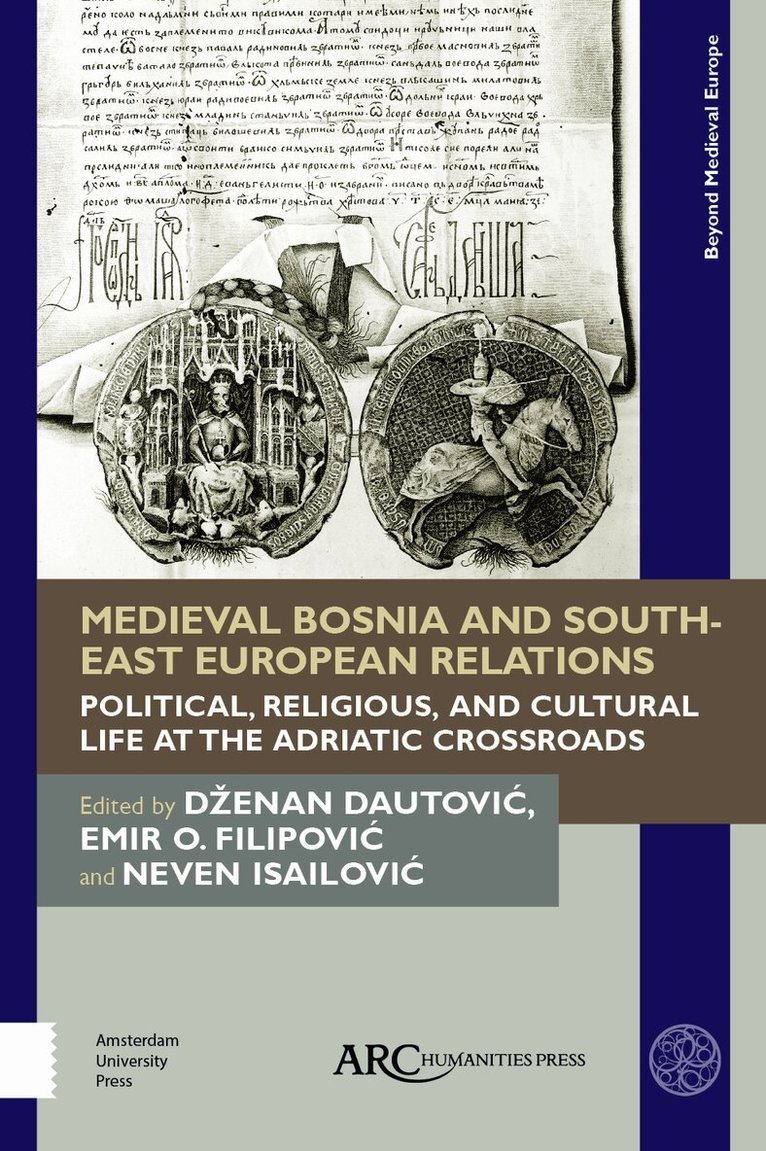



Mer från samma serie
Medieval Bosnia and South-East European Relations
Dženan Dautovic, Emir O. Filipovic, Neven Isailović
Inbunden, 2019
2 439 kr
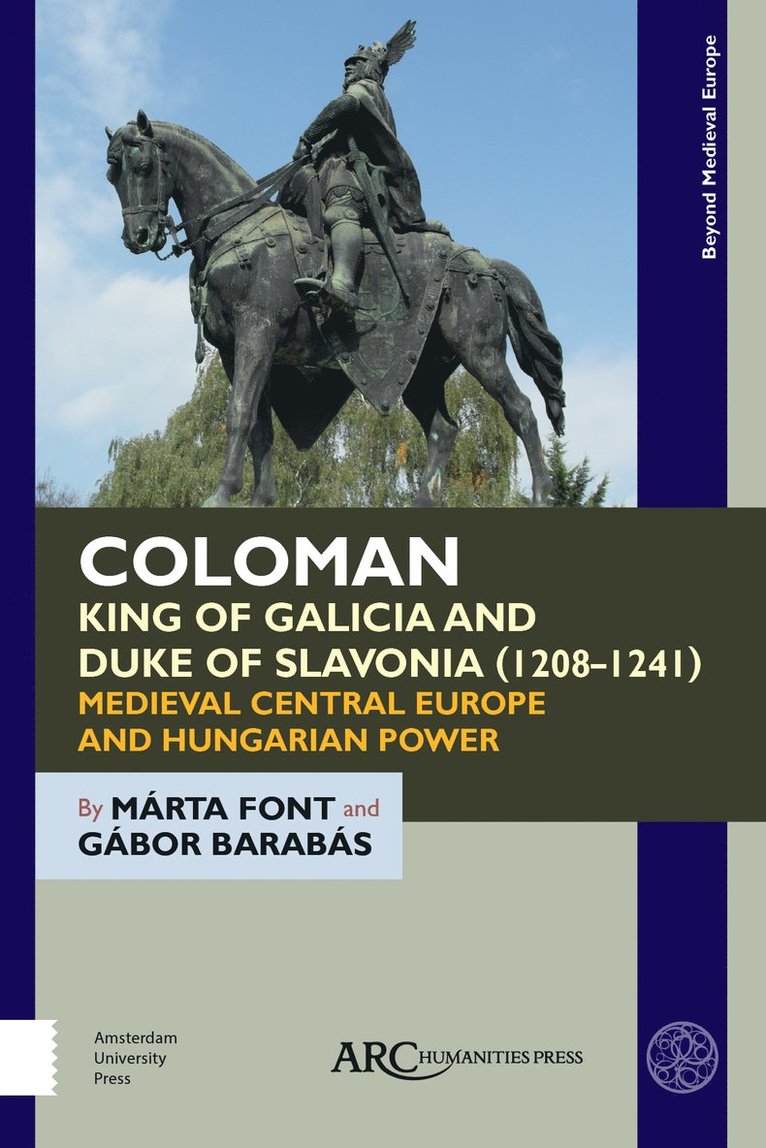
Coloman, King of Galicia and Duke of Slavonia (1208-1241)
Márta Font, Gábor Barabás
Inbunden, 2019
2 509 kr
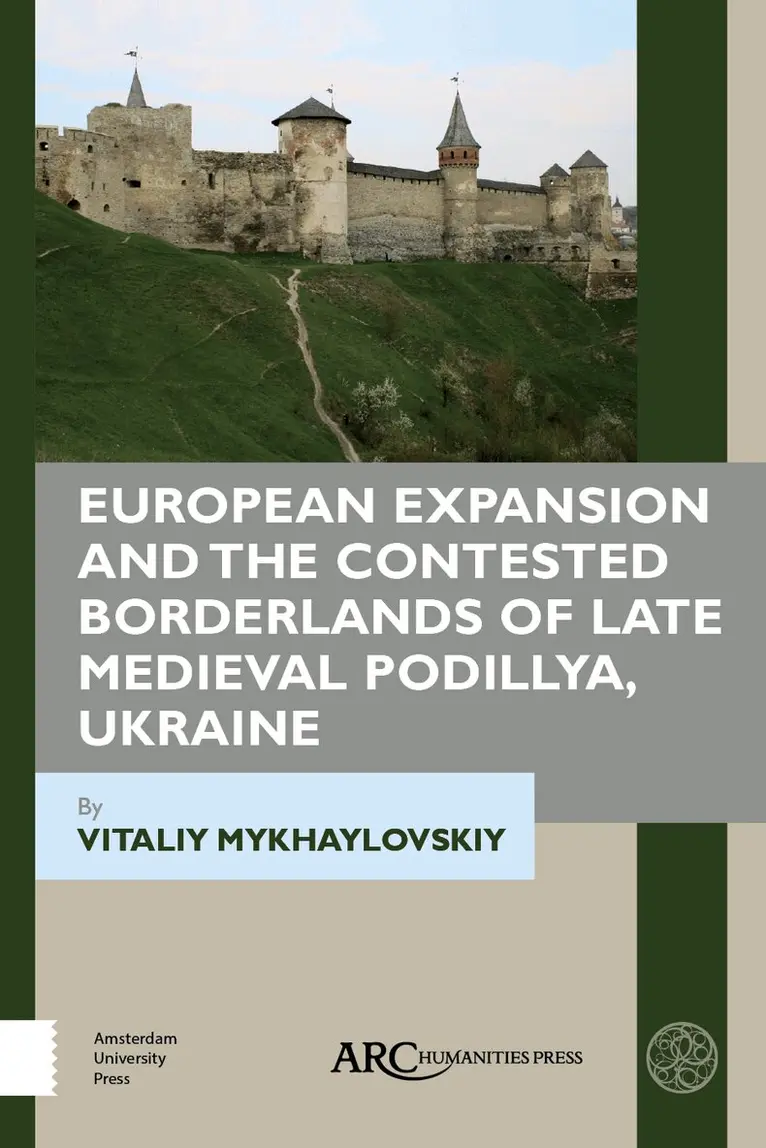
European Expansion and the Contested Borderlands of Late Medieval Podillya, Ukraine
Vitaliy Mykhaylovskiy
Inbunden, 2019
2 689 kr
Christianity and War in Medieval East Central Europe and Scandinavia
Radosław Kotecki, Carsten Selch Jensen, Stephen Bennett
Inbunden, 2021
3 319 kr
Rituals in Slavic Pre-Christian Religion
Juan Antonio Álvarez-Pedrosa, Enrique Santos Marinas
Inbunden, 2023
1 969 kr
Hoppa över listan



Du kanske också är intresserad av
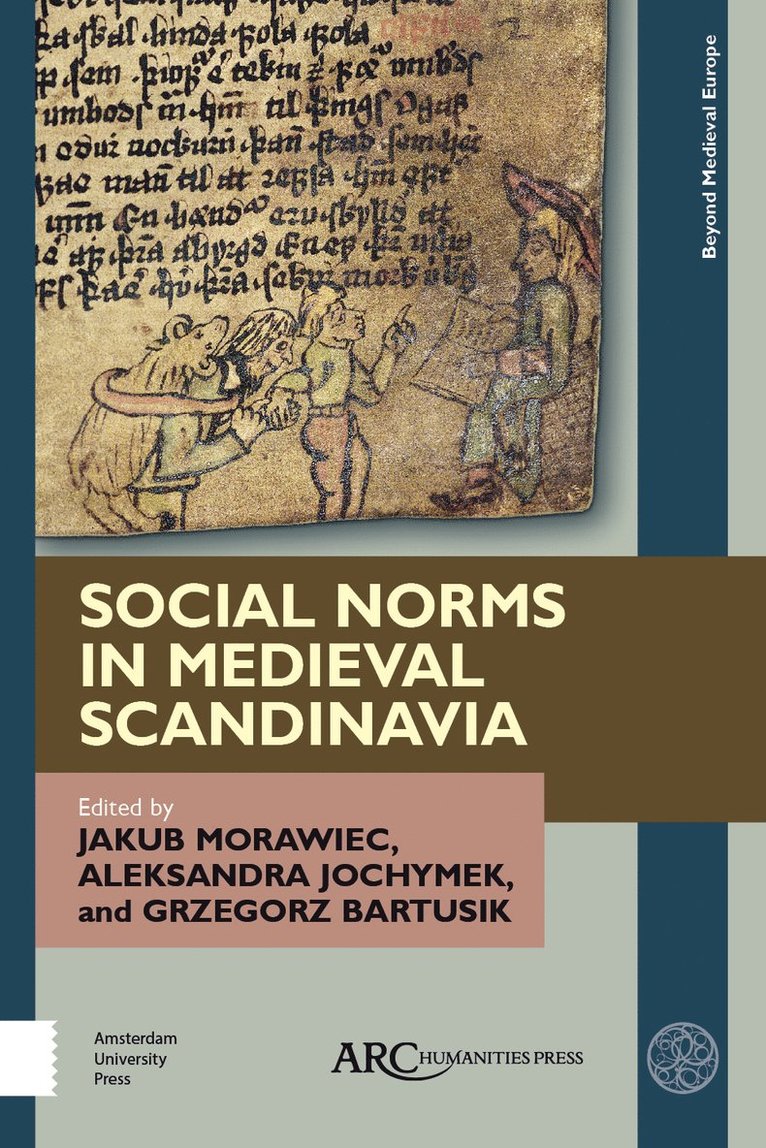
Social Norms in Medieval Scandinavia
Jakub Morawiec, Aleksandra Jochymek, Grzegorz Bartusik
Inbunden, 2019
3 239 kr
Del 1
Christianity and War in Medieval East Central Europe and Scandinavia
Radosław Kotecki, Carsten Selch Jensen, Stephen Bennett
Inbunden, 2021
3 319 kr