
Del i serien Fashion: Visual & Material Interconnections
Prêt-à-Porter, Paris and Women
A Cultural Study of French Readymade Fashion, 1945-68
Häftad, Engelska, 2022
499 kr
Beställningsvara. Skickas inom 10-15 vardagar. Fri frakt för medlemmar vid köp för minst 249 kr.
Finns i fler format (1)
In the first critical history of French ready-made fashion, Alexis Romano examines an array of cultural sources, including surviving garments, fashion magazines, film, photography and interviews, to weave together previously disparate historical narratives. The resulting volume – Prêt-à-Porter: Paris and Women – situates the ready-made in wider cultural discourses of art, design, urbanism, technology and international policy.Through a close study of fashion magazines, including Vogue and Elle, Romano reveals how the French ready-made and the genre of fashion photography in France developed in tandem. Analyses of representations of space, women and prêt-à-porter in such magazines – alongside other cultural ephemera such as contemporary film, documentary photography and family photographs – demonstrate that popular conceptions of fashion and modernity shifted in the period 1945-68.By connecting national and personal histories, Prêt-à-Porter: Paris and Women reveals the importance of the ready-made to broader narratives of postwar reconstruction, national identity, gender and international dialogue.
Produktinformation
- Utgivningsdatum2022-06-16
- Mått155 x 231 x 15 mm
- Vikt590 g
- FormatHäftad
- SpråkEngelska
- SerieFashion: Visual & Material Interconnections
- Antal sidor264
- FörlagBloomsbury Publishing PLC
- ISBN9781350215931
Tillhör följande kategorier
Hoppa över listan






Mer från samma serie
George Washington, Slavery, and the New Politics of Style, 1743-1789
Horace D. Ballard, Rebecca Arnold
Häftad, 2027
409 kr
George Washington, Slavery, and the New Politics of Style, 1743-1789
Horace D. Ballard, Rebecca Arnold
Inbunden, 2027
1 209 kr
Hoppa över listan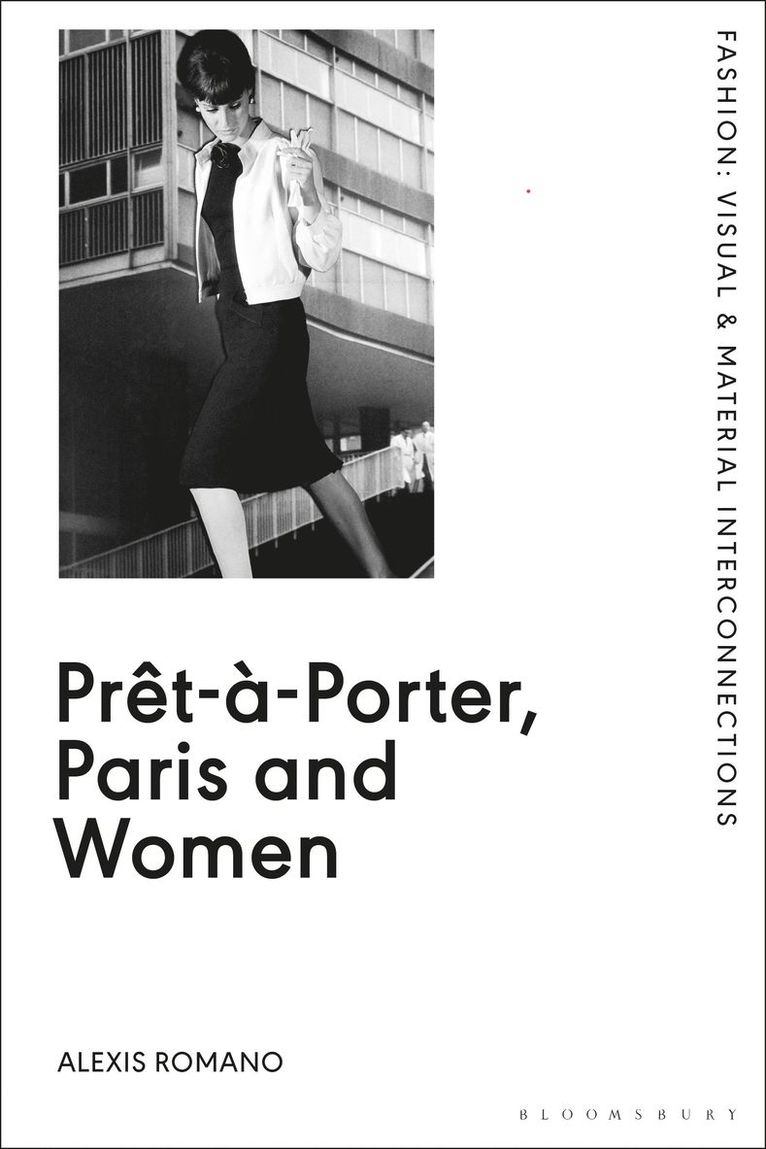




Du kanske också är intresserad av
Fashion After Capital: Frock Coats and Philosophy from Marx to Duchamp
Smith, Rebecca Arnold
Häftad, 2030
609 kr
Fashion After Capital: Frock Coats and Philosophy from Marx to Duchamp
Smith, Rebecca Arnold
Inbunden, 2030
1 789 kr