
New Conservatives in Russia and East Central Europe
Inbunden, Engelska, 2018
3 219 kr
Beställningsvara. Skickas inom 10-15 vardagar. Fri frakt för medlemmar vid köp för minst 249 kr.
This book explores the emergence, and in Poland, Hungary, and Russia the coming to power, of politicians and political parties rejecting the consensus around market reforms, democratization, and rule of law that has characterized moves toward an "open society" from the 1990s. It discusses how over the last decade these political actors, together with various think tanks, intellectual circles, and religious actors, have increasingly presented themselves as "conservatives," and outlines how these actors are developing a new local brand of conservatism as a full-fledged ideology that counters the perceived liberal overemphasis on individual rights and freedom, and differs from the ideology of the established, present-day conservative parties of Western Europe. Overall, the book argues that the "renaissance of conservatism" in these countries represents variations on a new, illiberal conservatism that aims to re-establish a strong state sovereignty defining and pursuing a national path of development.
Produktinformation
- Utgivningsdatum2018-08-23
- Mått156 x 234 x 24 mm
- Vikt589 g
- FormatInbunden
- SpråkEngelska
- SerieRoutledge Contemporary Russia and Eastern Europe Series
- Antal sidor312
- FörlagTaylor & Francis Ltd
- ISBN9781138496866
Tillhör följande kategorier
Hoppa över listan







Du kanske också är intresserad av
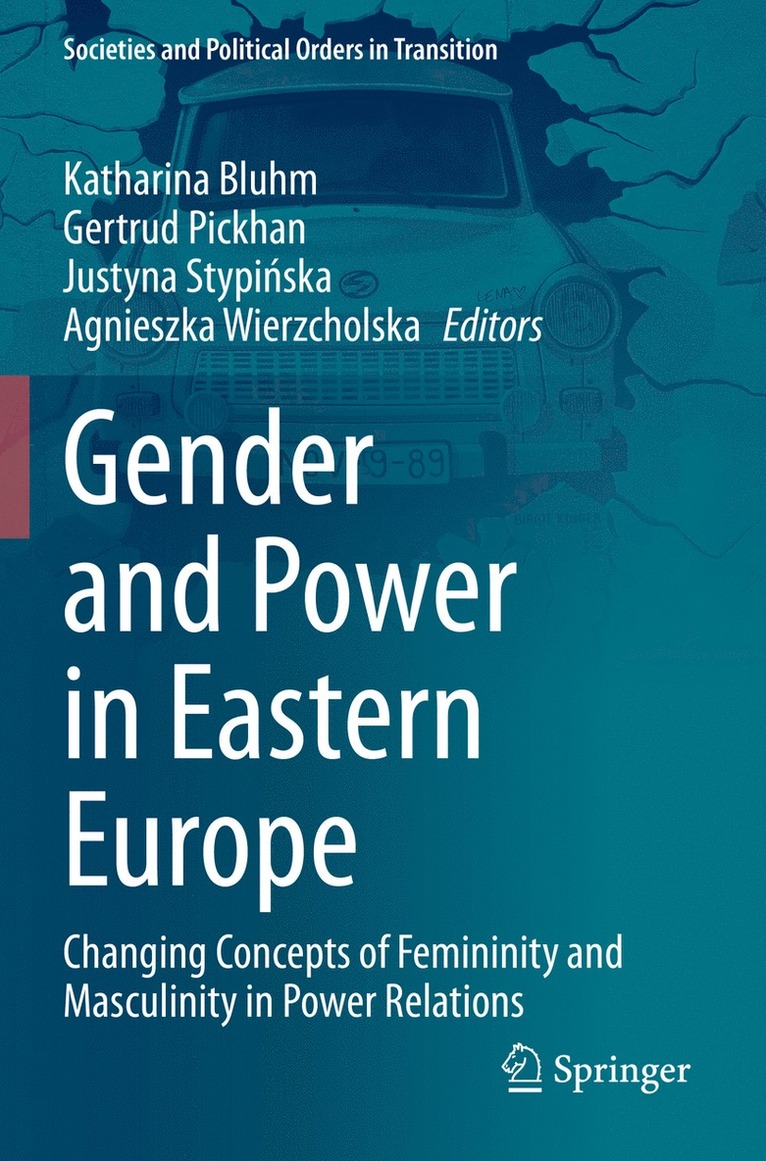
Gender and Power in Eastern Europe
Katharina Bluhm, Gertrud Pickhan, Justyna Stypinska, Agnieszka Wierzcholska
Häftad, 2021
1 539 kr
Business Leaders and New Varieties of Capitalism in Post-Communist Europe
Katharina Bluhm, Bernd Martens, Vera Trappmann
Inbunden, 2013
2 339 kr
Business Leaders and New Varieties of Capitalism in Post-Communist Europe
Katharina Bluhm, Bernd Martens, Vera Trappmann
Häftad, 2016
629 kr
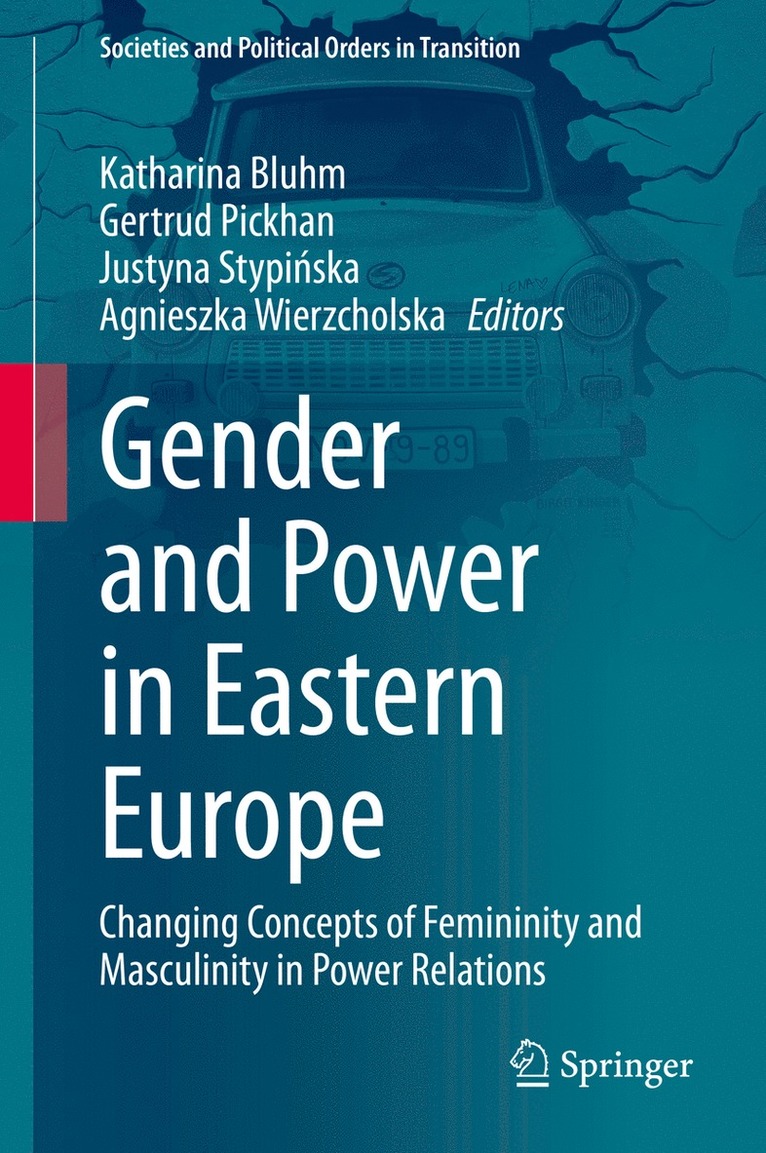
Gender and Power in Eastern Europe
Katharina Bluhm, Gertrud Pickhan, Justyna Stypinska, Agnieszka Wierzcholska
Inbunden, 2020
1 539 kr