
Del 5 i serien Microsystems
Microfabrication in Tissue Engineering and Bioartificial Organs
Inbunden, Engelska, 1999
1 479 kr
Beställningsvara. Skickas inom 10-15 vardagar. Fri frakt för medlemmar vid köp för minst 249 kr.
Finns i fler format (1)
The Microsystems Series has as its goal the creation of an outstanding set of textbooks, references, and monographs on subjects that span the broad field of microsystems. Exceptional PhD dissertations provide a good starting point for such a series, because, unlike monographs by more senior authors, which must compete with other professional duties for attention, the dissertation becomes the sole focus of the author until it is completed. Conversion to book form is then a streamlined process, with final editing and book production completed within a few months. Thus we are able to bring important and timely material into book form at a pace which tracks this rapidly developing field. Our first four books in the series were drawn from the more physics-oriented side of the microsystems field, including such diverse subjects as computer-aided design, atomic-force microscopy, and ultrasonic motion detection. Now, with Sangeeta Bhatia's work, we enter the realm of biology. Her use of artifically structured substrates to encourage the liver cells to form orderly assemblies is a fine example of how microfabrication technology can contribute to cell biology and medicine. I am pleased to be able to add this very new and very interesting work to the Microsystems Series. Stephen D. Senturia Cambridge MA Microfabrication in Tissue Engineering and Bioartificial Organs Foreword One of the emerging applications of microsystems technology in biology and medicine is in the field of tissue engineering and artificial organs. In order to function, cells need to receive proper signals from their environment.
Produktinformation
- Utgivningsdatum1999-08-31
- Mått155 x 235 x 15 mm
- Vikt430 g
- FormatInbunden
- SpråkEngelska
- SerieMicrosystems
- Antal sidor145
- Upplaga1999
- FörlagKluwer Academic Publishers
- ISBN9780792385660
Tillhör följande kategorier
Hoppa över listan


Mer från samma författare
Biosensing
Jerome Schultz, Milan Mrksich, Sangeeta N. Bhatia, David J. Brady, Antionio J. Ricco, David R. Walt, Charles L. Wilkins
Inbunden, 2006
2 149 kr
Biosensing
Jerome Schultz, Milan Mrksich, Sangeeta N. Bhatia, David J. Brady, Antionio J. Ricco, David R. Walt, Charles L. Wilkins
Häftad, 2010
2 149 kr
Hoppa över listan

Mer från samma serie
Del 17
Del 7
Scanning Probe Lithography
Hyongsok T. Soh, Kathryn Wilder Guarini, Calvin F. Quate
Inbunden, 2001
1 439 kr
Optical Microscanners and Microspectrometers using Thermal Bimorph Actuators
Gerhard Lammel, Sandra Schweizer, Philippe Renaud
Inbunden, 2002
2 149 kr
Del 2
Methodology for the Modeling and Simulation of Microsystems
Bartlomiej F. Romanowicz
Inbunden, 1998
1 439 kr
Del 1
Del 3
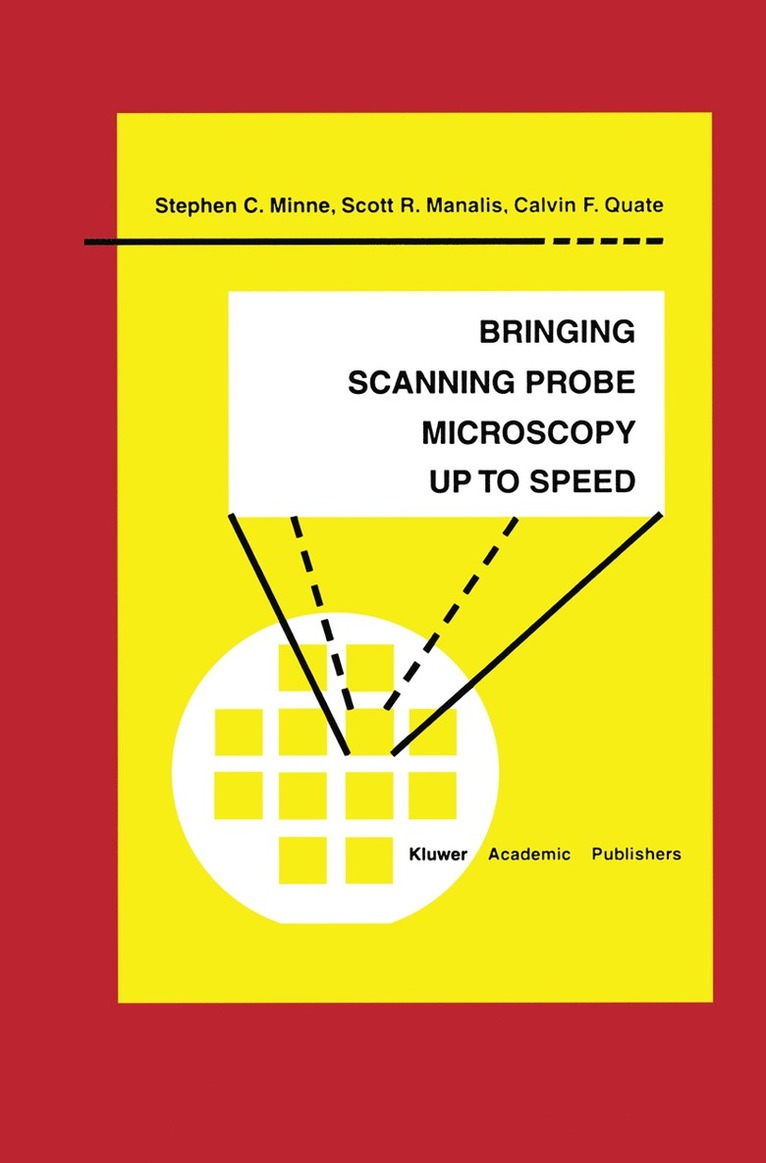
Bringing Scanning Probe Microscopy up to Speed
Stephen C. Minne, Scott R. Manalis, Calvin F. Quate
Inbunden, 1999
1 439 kr
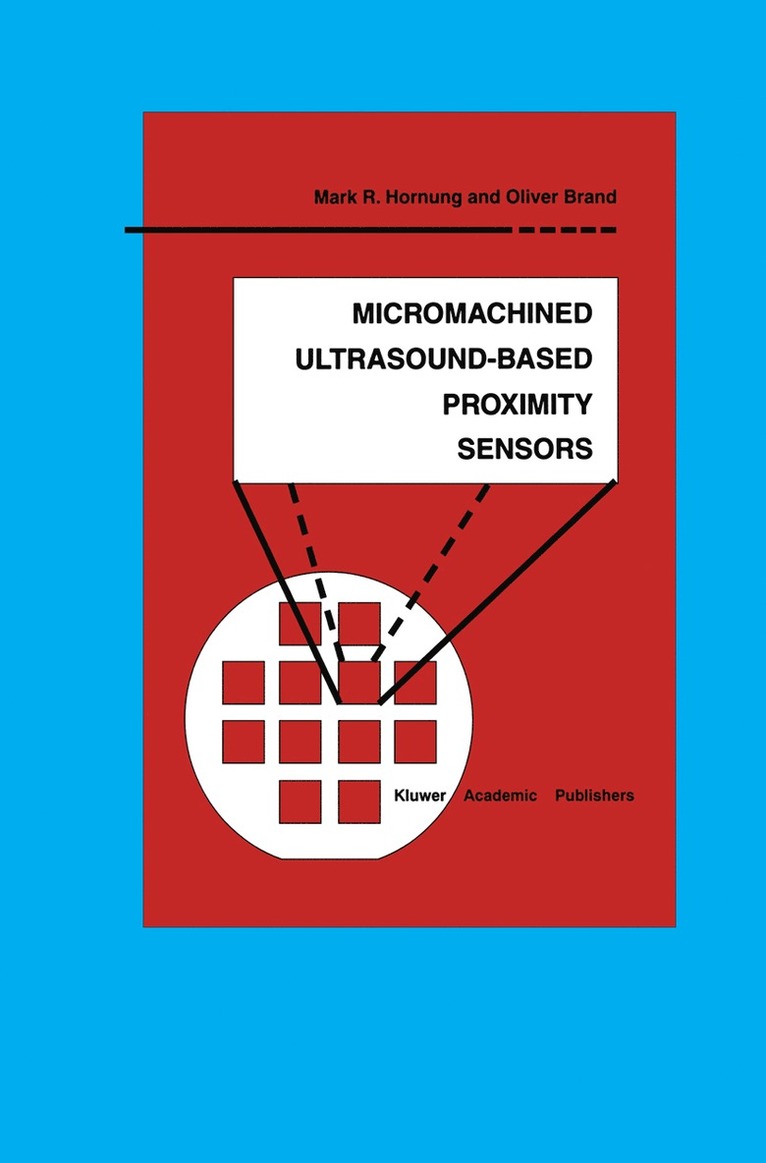
Micromachined Ultrasound-Based Proximity Sensors
Mark R. Hornung, Oliver Brand, Mark R. Hornung, Oliver Brand
Inbunden, 1999
1 439 kr
Del 6
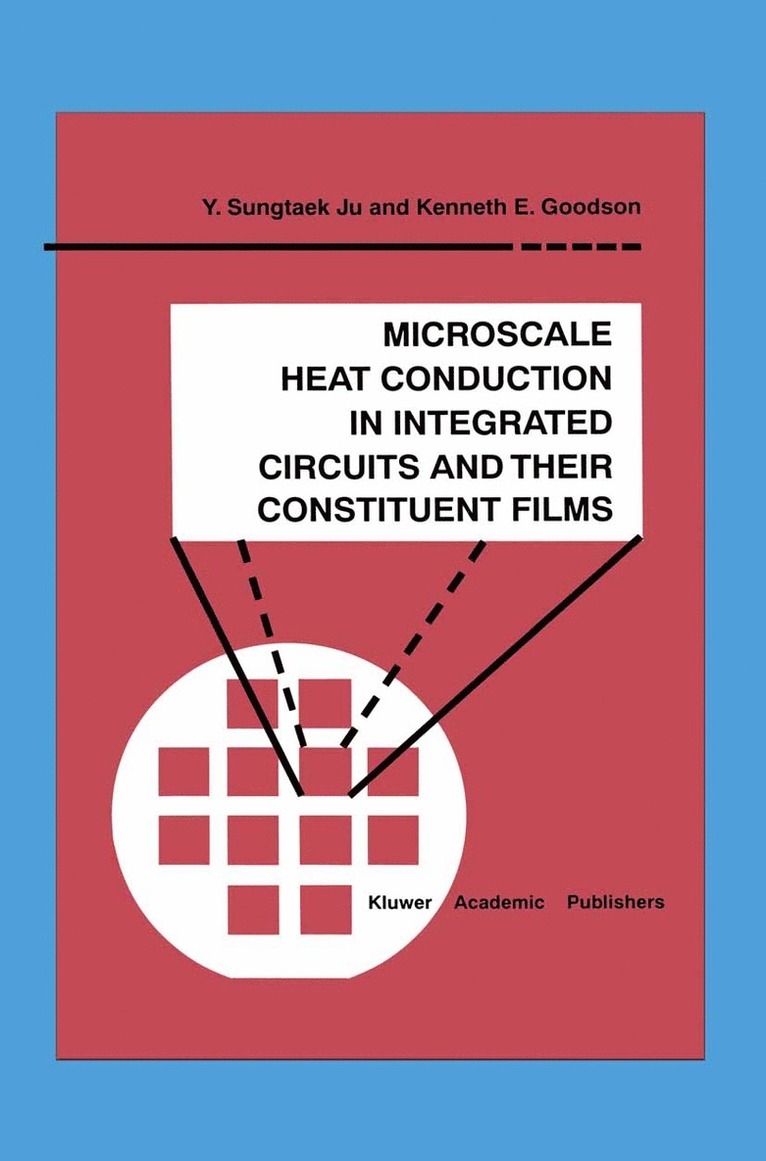
Microscale Heat Conduction in Integrated Circuits and Their Constituent Films
Y. Sungtaek Ju, Kenneth E. Goodson
Inbunden, 1999
1 439 kr
Hoppa över listan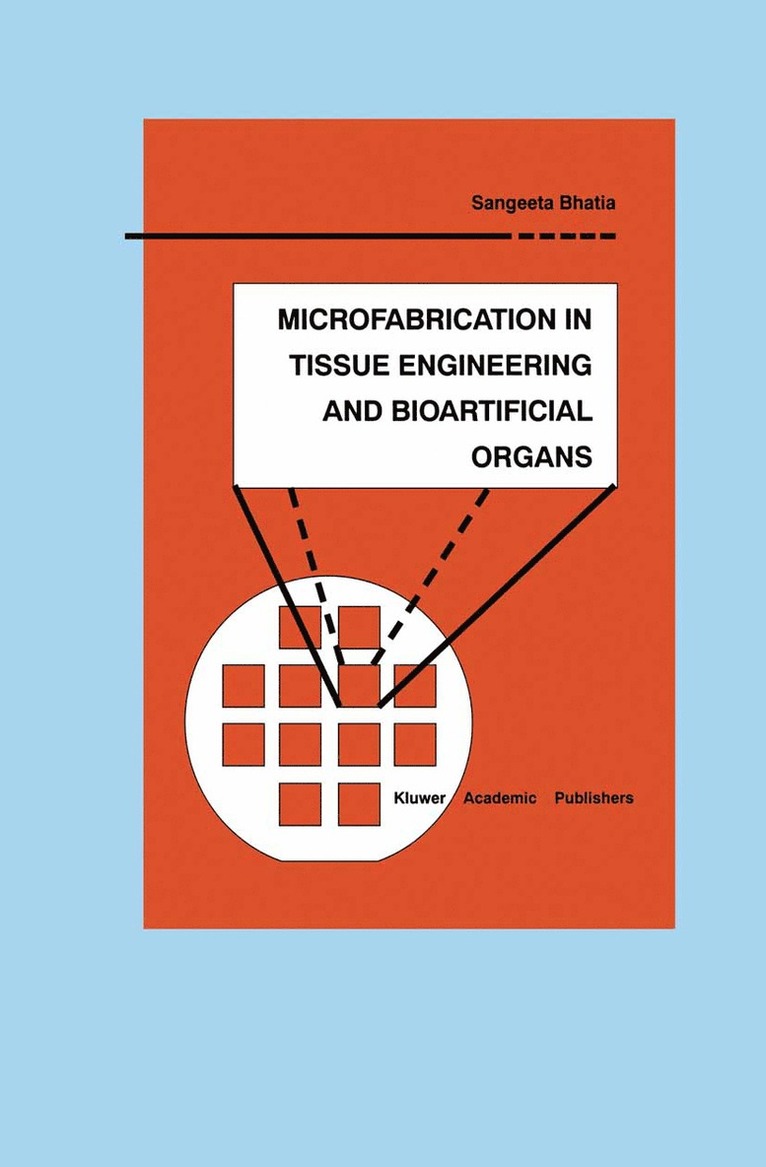

Du kanske också är intresserad av
Del 5
Microfabrication in Tissue Engineering and Bioartificial Organs
Sangeeta N. Bhatia
Häftad, 2012
1 479 kr
Biosensing
Jerome Schultz, Milan Mrksich, Sangeeta N. Bhatia, David J. Brady, Antionio J. Ricco, David R. Walt, Charles L. Wilkins
Inbunden, 2006
2 149 kr
Biosensing
Jerome Schultz, Milan Mrksich, Sangeeta N. Bhatia, David J. Brady, Antionio J. Ricco, David R. Walt, Charles L. Wilkins
Häftad, 2010
2 149 kr
Del 13
Optical Microscanners and Microspectrometers using Thermal Bimorph Actuators
Gerhard Lammel, Sandra Schweizer, Philippe Renaud
Inbunden, 2002
2 149 kr
Micromachined Ultrasound-Based Proximity Sensors
Mark R. Hornung, Oliver Brand, Mark R. Hornung, Oliver Brand
Inbunden, 1999
1 439 kr
Del 3
Bringing Scanning Probe Microscopy up to Speed
Stephen C. Minne, Scott R. Manalis, Calvin F. Quate
Inbunden, 1999
1 439 kr