
Del i serien New Middle Ages
Marriage, Property, and Women's Narratives
Häftad, Engelska, 2015
829 kr
Beställningsvara. Skickas inom 10-15 vardagar. Fri frakt för medlemmar vid köp för minst 249 kr.
Finns i fler format (1)
An interdisciplinary approach to the study of women and property, combining literature, history, and economics. By looking at women's marriage narratives over a long period of time, the book reveals the deep discontent with the institution of property ownership as a unifying thread from the Middle Ages up through the twentieth-century.
Produktinformation
- Utgivningsdatum2015-12-10
- Mått152 x 229 x 14 mm
- Vikt360 g
- FormatHäftad
- SpråkEngelska
- SerieNew Middle Ages
- Antal sidor226
- Upplaga15001
- FörlagPalgrave Macmillan
- ISBN9781349296378
Tillhör följande kategorier
Hoppa över listan
Mer från samma serie
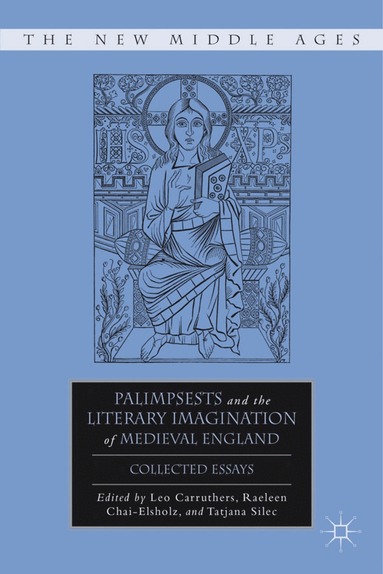
Palimpsests and the Literary Imagination of Medieval England
Tatjana Silec, R. Chai-Elsholz, L. Carruthers, Raeleen Chai-Elsholz, Leo Carruthers
Inbunden, 2011
829 kr
Hoppa över listan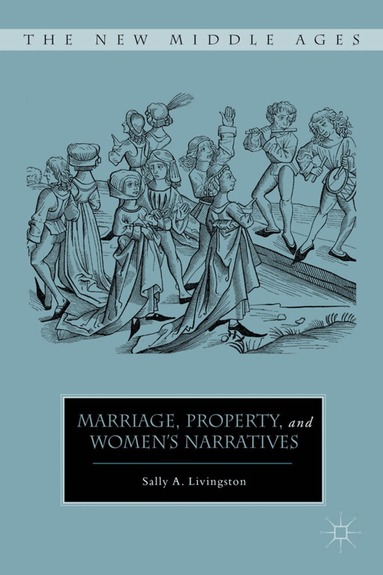


Du kanske också är intresserad av
- Nyhet
Del 7
- Nyhet
- Nyhet
Del 6
Del 3
- Nyhet
Del 4
- Nyhet
- Nyhet
Del 11
- Nyhet
Del 3