
Del i serien New Middle Ages
Gender and Power in Medieval Exegesis
Inbunden, Engelska, 2010
709 kr
Beställningsvara. Skickas inom 10-15 vardagar. Fri frakt för medlemmar vid köp för minst 249 kr.
Finns i fler format (1)
After establishing a feminist-historicist perspective on the tradition of biblical commentary, Tinkle develops in-depth case studies that situate scholars reading the bible in three distinct historical moments, and in so doing she exposes the cultural pressures that medieval scholars felt as they interpreted the bible.
Produktinformation
- Utgivningsdatum2010-10-18
- Mått140 x 216 x 13 mm
- Vikt395 g
- FormatInbunden
- SpråkEngelska
- SerieNew Middle Ages
- Antal sidor196
- Upplaga2010
- FörlagPalgrave Macmillan
- ISBN9780230104358
Tillhör följande kategorier
Hoppa över listan
Mer från samma serie
Palimpsests and the Literary Imagination of Medieval England
Tatjana Silec, R. Chai-Elsholz, L. Carruthers, Raeleen Chai-Elsholz, Leo Carruthers
Inbunden, 2011
819 kr
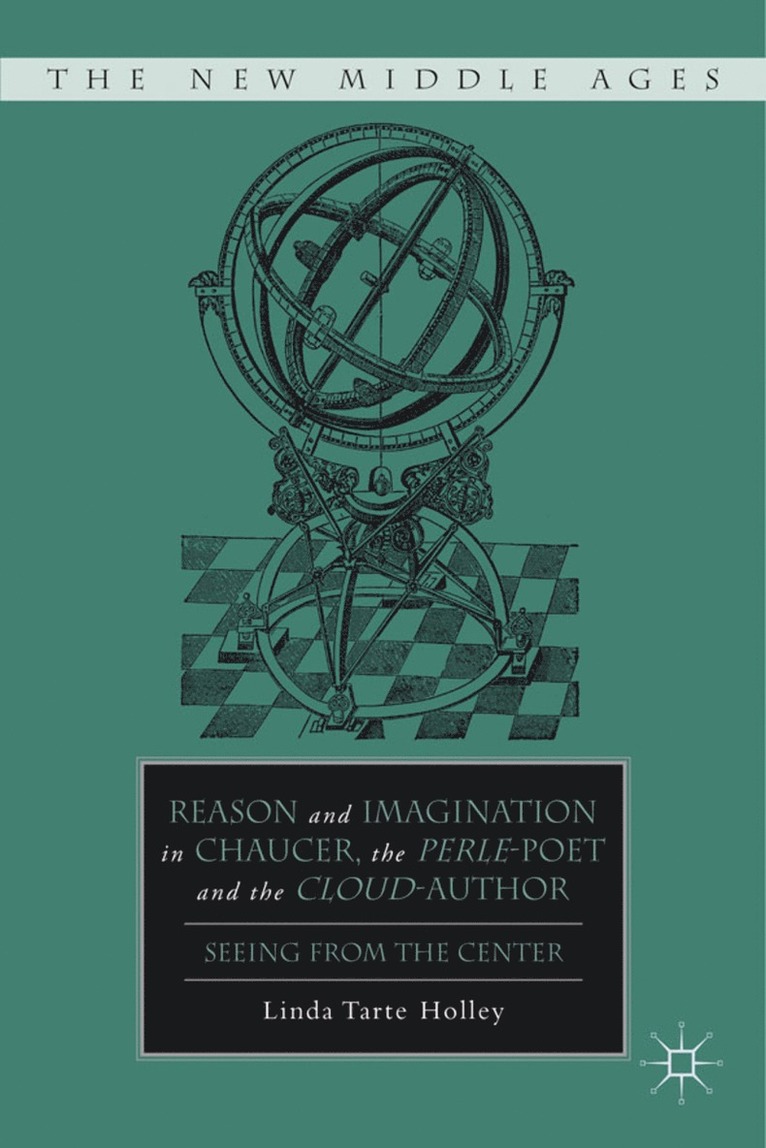
Reason and Imagination in Chaucer, the Perle-Poet, and the Cloud-Author
L. Holley
Inbunden, 2011
819 kr
