
Kafka Translated
How Translators have Shaped our Reading of Kafka
Häftad, Engelska, 2014
609 kr
Beställningsvara. Skickas inom 10-15 vardagar. Fri frakt för medlemmar vid köp för minst 249 kr.
Kafka Translated is the first book to look at the issue of translation and Kafka's work. What effect do the translations have on how we read Kafka? Are our interpretations of Kafka influenced by the translators' interpretations? In what ways has Kafka been 'translated' into Anglo-American culture by popular culture and by academics? Michelle Woods investigates issues central to the burgeoning field of translation studies: the notion of cultural untranslatability; the centrality of female translators in literary history; and the under-representation of the influence of the translator as interpreter of literary texts. She specifically focuses on the role of two of Kafka's first translators, Milena Jesenská and Willa Muir, as well as two contemporary translators, Mark Harman and Michael Hofmann, and how their work might allow us to reassess reading Kafka. From here Woods opens up the whole process of translation and re-examines accepted and prevailing interpretations of Kafka's work.
Produktinformation
- Utgivningsdatum2014-01-02
- Mått150 x 226 x 18 mm
- Vikt440 g
- FormatHäftad
- SpråkEngelska
- Antal sidor304
- FörlagBloomsbury Publishing Plc
- ISBN9781441197719
Tillhör följande kategorier
Hoppa över listan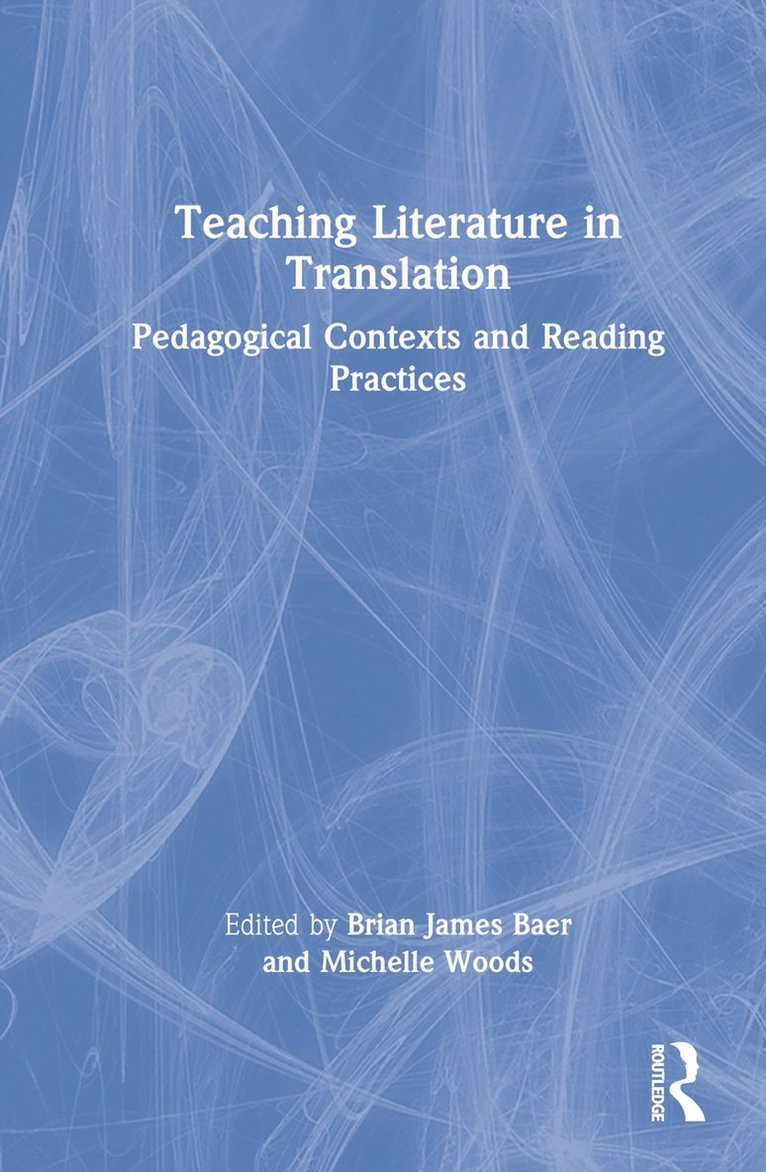



Mer från samma författare
Interpreting the Amistad Trials
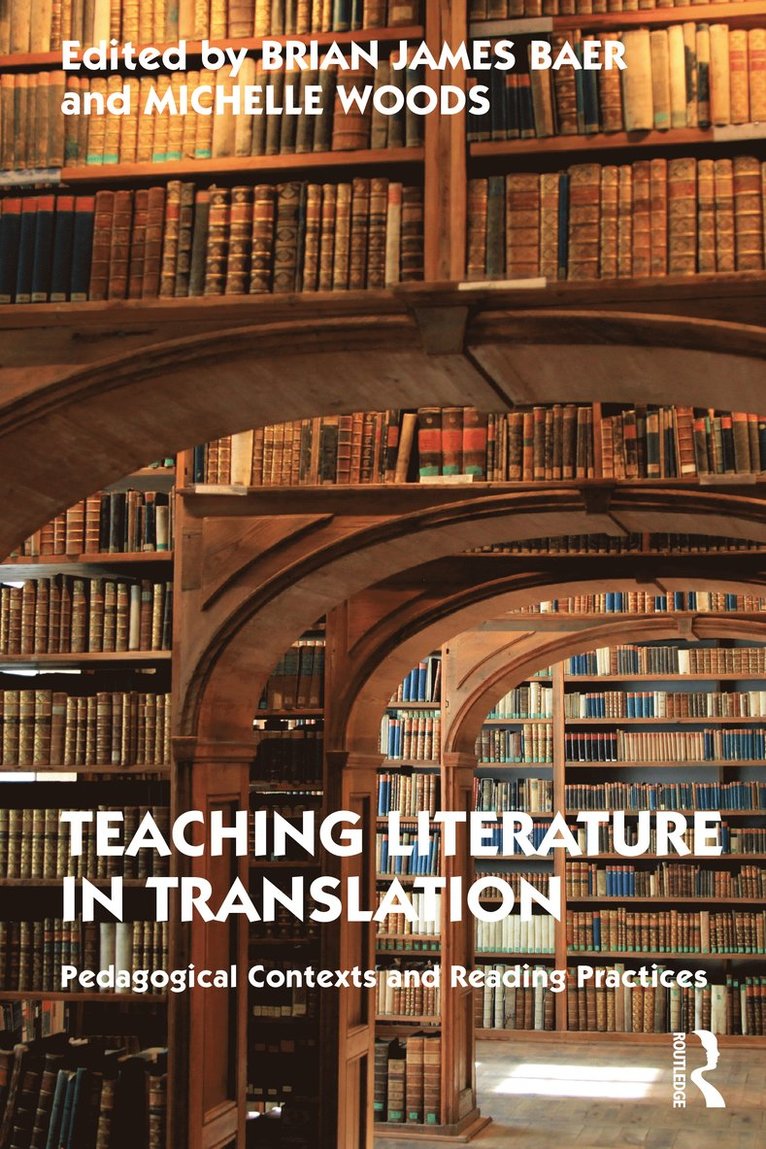
Jeanette Zaragoza-De León, Brian James Baer, Michelle Woods
Inbunden, 2025
1 679 kr
Translation and the Making of Modern Russian Literature
Brian James Baer, Brian James Baer, Michelle Woods
Inbunden, 2015
3 119 kr
Del 30
Hoppa över listan

Du kanske också är intresserad av
Translation and the Making of Modern Russian Literature
Brian James Baer, Brian James Baer, Michelle Woods
Inbunden, 2015
3 119 kr
Interpreting the Amistad Trials
Jeanette Zaragoza-De León, Brian James Baer, Michelle Woods
Inbunden, 2025
1 679 kr