
Del i serien Makers of the Muslim World
Hasan al-Banna
Inbunden, Engelska, 2009
559 kr
Beställningsvara. Skickas inom 7-10 vardagar. Fri frakt för medlemmar vid köp för minst 249 kr.
Hasan al-Banna (1906 – 1949) was an Egyptian political reformer, best known for establishing the Muslim Brotherhood, an Islamist organisation which today has millions of members and spans the Arab world. Through his ardent struggle to revitalise Islamic values amid increasing Westernisation, al-Banna promoted Islamic charity and personal piety throughout Egypt, becoming a powerful political force until his mysterious assassination. In this well written and impartial biography, Krämer gives a detailed account of al-Banna’s life and work.
Produktinformation
- Utgivningsdatum2009-11-01
- Mått135 x 216 x 15 mm
- Vikt318 g
- FormatInbunden
- SpråkEngelska
- SerieMakers of the Muslim World
- Antal sidor160
- FörlagOneworld Publications
- ISBN9781851684304
Tillhör följande kategorier
Hoppa över listan






Mer från samma författare
Del 9
Del 1461
Del 6549
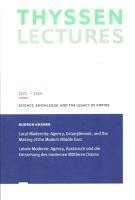
Lokale Moderne: Agency, Austausch und die Entstehung des modernen Mittleren Ostens
Gudrun Krämer
Häftad, 2025
209 kr
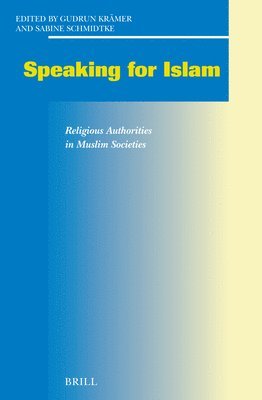
Speaking for Islam: Religious Authorities in Muslim Societies
Gudrun Krämer, Sabine Schmidtke
Häftad, 2006
3 499 kr
Encyclopaedia of Islam - Three 2007-1
Marc Gaborieau, Gudrun Krämer, John Nawas, Everett Rowson
Häftad, 2007
2 859 kr
Encyclopaedia of Islam - Three 2007-2
Gudrun Krämer, Denis Matringe, John Nawas, Everett K. Rowson
Häftad, 2007
2 889 kr