
Globalization of Renaissance Art
A Critical Review
Inbunden, Engelska, 2017
3 269 kr
Beställningsvara. Skickas inom 5-8 vardagar. Fri frakt för medlemmar vid köp för minst 249 kr.
In The Globalization of Renaissance Art: A Critical Review, Daniel Savoy assembles an interdisciplinary group of scholars to evaluate the global discourse on early modern European art. Over the course of eleven chapters and a roundtable, the contributors assess the discourses goal of transcending Eurocentric boundaries, reflecting on the strengths and weaknesses of current terms, methods, theories, and concepts. Although it is clear that the global perspective has exposed the artistic and cultural pluralism of early modern Europe, it is found that more work needs to be done at the epistemological level of art history as a whole. Contributors: Claire Farago, Elizabeth Horodowich, Lauren Jacobi, Thomas DaCosta Kaufmann, Jessica Keating, Stephanie Leitch, Emanuele Lugli, Lia Markey, Sean Roberts, Ananda Cohen-Aponte, and Marie Neil Wolff.
Produktinformation
- Utgivningsdatum2017-12-14
- Mått155 x 235 x 26 mm
- Vikt674 g
- FormatInbunden
- SpråkEngelska
- SerieBrill's Studies on Art, Art History, and Intellectual History
- Antal sidor342
- FörlagBrill
- ISBN9789004355781
Tillhör följande kategorier
Hoppa över listan
Mer från samma serie
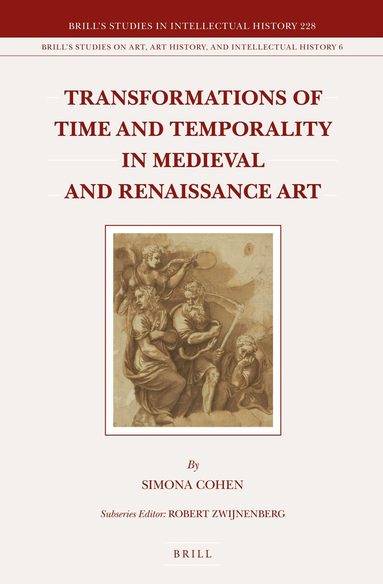
Transformations of Time and Temporality in Medieval and Renaissance Art
Simona Cohen
Inbunden, 2014
3 999 kr
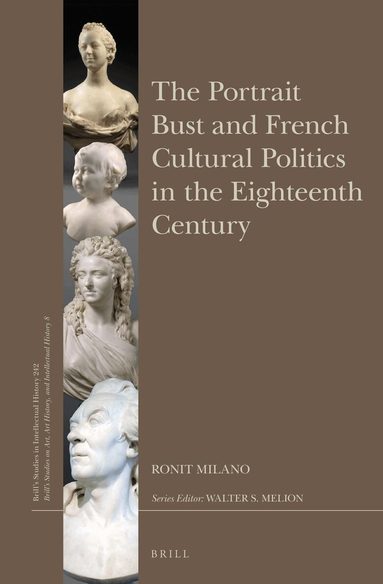
Portrait Bust and French Cultural Politics in the Eighteenth Century
Ronit Milano
Inbunden, 2015
3 859 kr
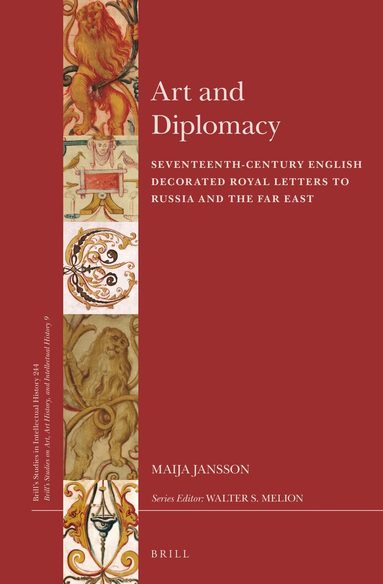
Art and Diplomacy: Seventeenth-Century English Decorated Royal Letters to Russia and the Far East
Maija Jansson
Inbunden, 2015
3 999 kr
Hoppa över listan

Du kanske också är intresserad av
- Nyhet
Del 7
- Nyhet
Del 6
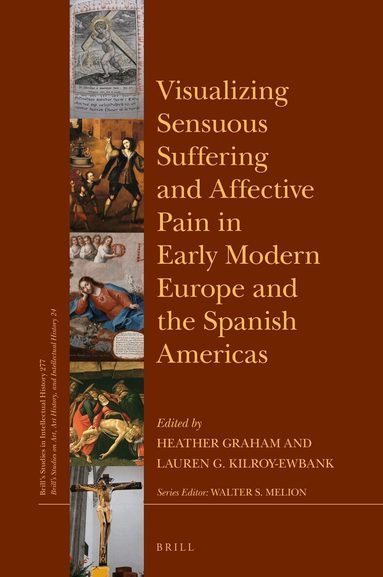
Visualizing Sensuous Suffering and Affective Pain in Early Modern Europe and the Spanish Americas
Heather Graham
Inbunden, 2018
4 019 kr
- Nyhet
Del 3
Art and Diplomacy: Seventeenth-Century English Decorated Royal Letters to Russia and the Far East
Maija Jansson
Inbunden, 2015
3 999 kr
Transformations of Time and Temporality in Medieval and Renaissance Art
Simona Cohen
Inbunden, 2014
3 999 kr
- Nyhet
Del 4