
Fashioning Japanese Subcultures
Decentralization and Diversification as Neotribes
Häftad, Engelska, 2025
469 kr
Beställningsvara. Skickas inom 5-8 vardagar. Fri frakt för medlemmar vid köp för minst 249 kr.
Finns i fler format (1)
This second edition brings the definitive empirical work on Japanese youth fashion subcultures up-to-date for the 2020s, featuring three new chapters and essential updates in light of new fieldwork and globalized digital media.Based on in-depth ethnographic fieldwork in Tokyo and illustrated with striking color images, Fashioning Japanese Subcultures gives a unique insight into how and why subcultures evolve and what they mean to their members. Defined by style and urban district, subcultures such as Lolita in Harajuku, Gyaru and Gyaru-o in Shibuya, Age-jo in Shinjuku, and Mori Girl in Koenji, articulate identities, affiliations, and aspirations. Over the past 10 years social media has dramatically expanded the reach and impact of these cultural phenomena far beyond their traditional geographic groups, leading to worldwide adoption and adaptation.This second edition features three new chapters on the global impact of anime, manga and cosplay, global youth subcultures and ‘-cores’ in cyberspace and social media, and understanding Japanese subcultures through neofeminist and cyber feminist frameworks. Exploring each subculture over the decade since the last edition, it also features new fieldwork across Tokyo, New York and social media platforms, updated coverage of Euro-American perspectives in light of advancements in postcolonial theory, and new methodological sections on cyberethnography and auto ethnography.
Produktinformation
- Utgivningsdatum2025-08-21
- Mått156 x 234 x 16 mm
- Vikt560 g
- FormatHäftad
- SpråkEngelska
- Antal sidor256
- Upplaga2
- FörlagBloomsbury Publishing PLC
- ISBN9781350436626
Tillhör följande kategorier
Hoppa över listan





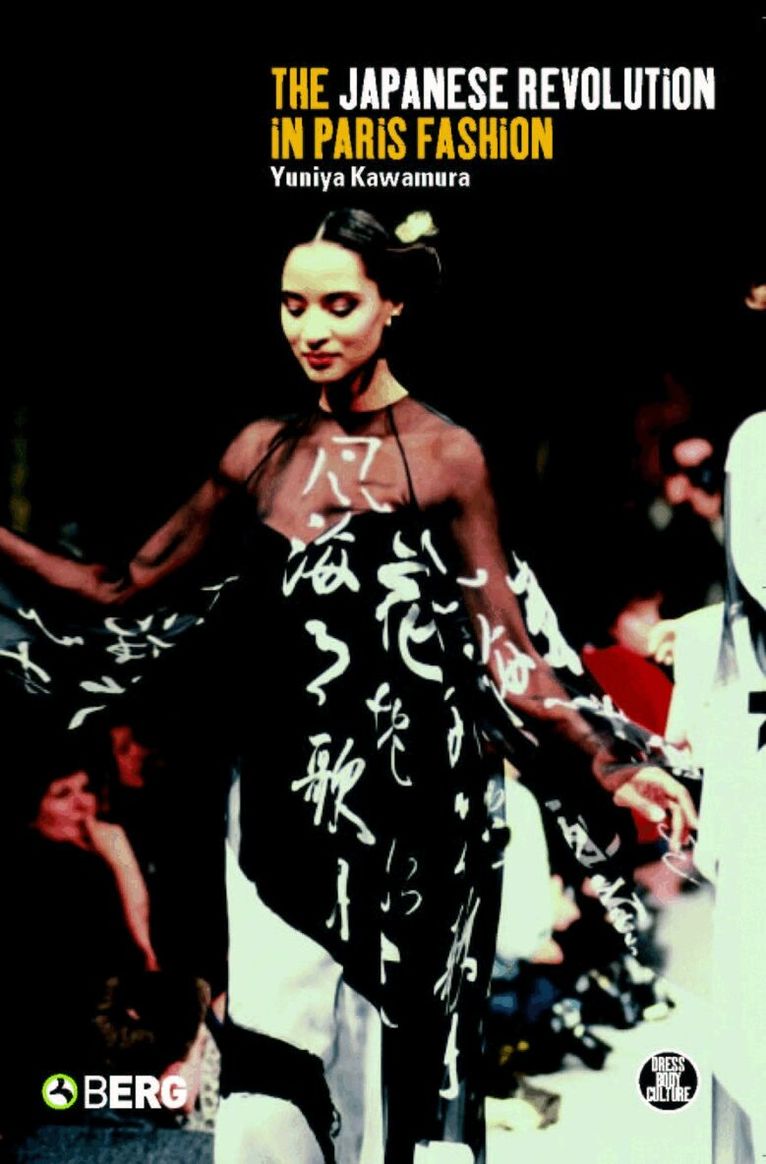
Mer från samma författare
Cultural Appropriation in Fashion and Entertainment
Yuniya Kawamura, Jung-Whan Marc de Jong
Inbunden, 2022
1 409 kr
Cultural Appropriation in Fashion and Entertainment
Yuniya Kawamura, Jung-Whan Marc de Jong
Häftad, 2022
429 kr
Del 1
Del 1
Hoppa över listan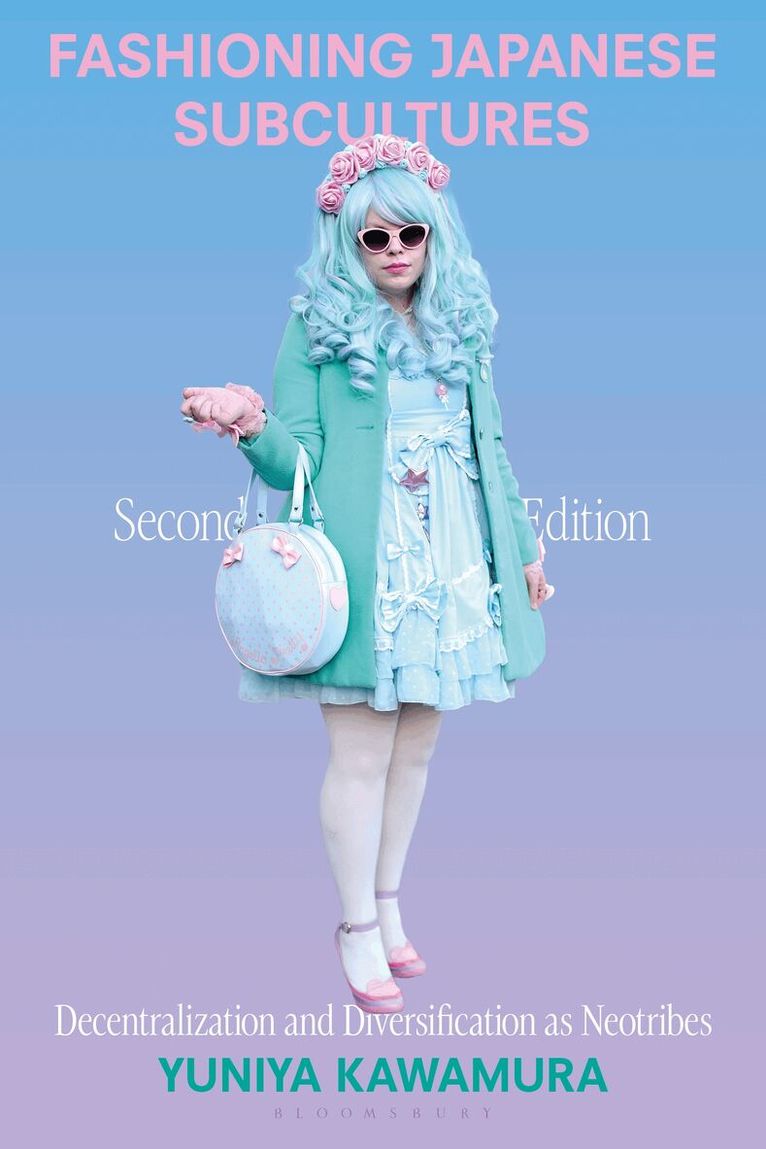
Du kanske också är intresserad av
Cultural Appropriation in Fashion and Entertainment
Yuniya Kawamura, Jung-Whan Marc de Jong
Inbunden, 2022
1 409 kr
Del 1
Cultural Appropriation in Fashion and Entertainment
Yuniya Kawamura, Jung-Whan Marc de Jong
Häftad, 2022
429 kr