
End of the Circus
Evolutionary Semiotics and Cultural Resilience
Inbunden, Engelska, 2021
2 239 kr
Beställningsvara. Skickas inom 10-15 vardagar. Fri frakt för medlemmar vid köp för minst 249 kr.
Finns i fler format (1)
This book analyses two features of the traditional circus that have come under increasing attack since the mid-20th century: the use of wild animals in performance and the act of clowning. Positioning this socio-cultural change within the broader perspective of evolutionary semiotics, renowned circus expert Paul Bouissac examines the decline of the traditional circus and its transformation into a purely acrobatic spectacle. The End of the Circus draws on Bouissac’s extensive ethnographic research, including previously unpublished material on the training of wild animals and clown make-up, to chart the origins of the circus in Gypsy culture and the drastic change in contemporary Western attitudes on ethical grounds. It scrutinizes the emergence of the new form of circus, with its focus on acrobatics and the meaning of the body, showing how acrobatic techniques have been appropriated from traditional Gypsy heritage and brought into the fold of mainstream popular entertainment. Questioning the survival of the new circus and the likely resurgence of its traditional forms, this book showcases Bouissac’s innovative approach to semiotics and marks the culmination of his ground-breaking work on the circus.
Produktinformation
- Utgivningsdatum2021-09-09
- Mått156 x 234 x 16 mm
- Vikt544 g
- FormatInbunden
- SpråkEngelska
- Antal sidor264
- FörlagBloomsbury Publishing PLC
- ISBN9781350166493
Tillhör följande kategorier
Hoppa över listan



Mer från samma författare
Pronominal Systems: Patterns of Change in the Addressing, Gendering, and Referencing Functions in Contemporary European Languages
Paul Bouissac
Inbunden, 2028
2 579 kr
Hoppa över listan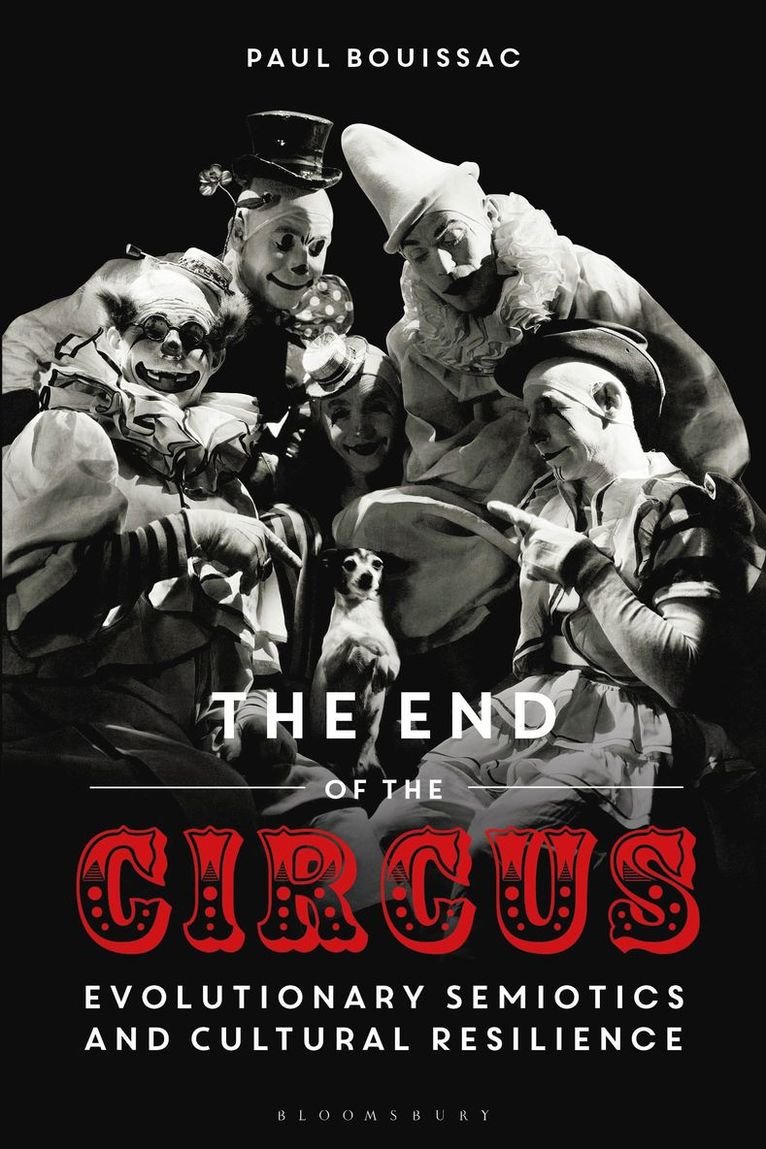
Du kanske också är intresserad av
N - Z
Thomas A. Sebeok, Paul Bouissac, Umberto Eco, Jerzy Pelc, Roland Possner, Alain Rey, Ann Shukmann
Inbunden, 1986
3 709 kr
Del 3