
Del i serien Bloomsbury Studies in Digital Cultures
Digital Humanities and the Cyberspace Decade, 1990-2001
A World Elsewhere
Häftad, Engelska, 2026
559 kr
Beställningsvara. Skickas inom 10-15 vardagar. Fri frakt för medlemmar vid köp för minst 249 kr.
Finns i fler format (1)
Setting out a history of cyberspace and its relationship with the discipline that was to become digital humanities, this book is an account of an often-forgotten period of internet history in the 1990s when this medium was in its infancy. It provides a detailed account of the concepts of ‘cyberspace’ and the ‘virtual’, which were characteristic of a perception that using the internet allowed users to enter a separate space from everyday life- a world elsewhere. In doing so, it argues that this libertarian idea of the internet framed it as a new frontier, where the rules of the everyday world did not and should not apply, and where the individual could find freedom. These early norms and the regrettable lack of regulation that was a consequence of them, this book argues, contributed to many of current issues with internet media. including of toxic communication, disinformation and over-commercialisation
Produktinformation
- Utgivningsdatum2026-04-30
- Mått152 x 232 x 14 mm
- Vikt400 g
- FormatHäftad
- SpråkEngelska
- SerieBloomsbury Studies in Digital Cultures
- Antal sidor256
- FörlagBloomsbury Publishing PLC
- ISBN9781350452879
Tillhör följande kategorier
Hoppa över listan
Mer från samma serie
Trouble With Big Data
Jennifer Edmond, Nicola Horsley, Jörg Lehmann, Mike Priddy, Anthony Mandal
Inbunden, 2022
1 759 kr
Trouble With Big Data
Jennifer Edmond, Nicola Horsley, Jörg Lehmann, Mike Priddy, Anthony Mandal
Häftad, 2023
559 kr
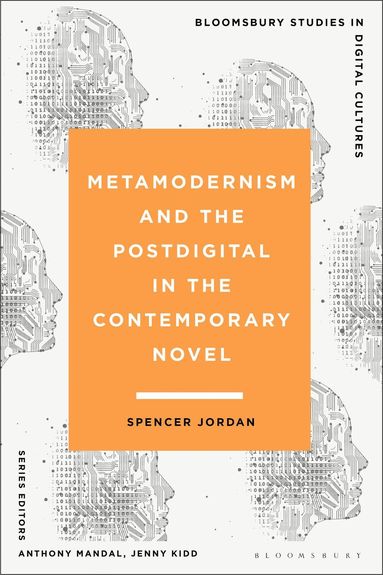
Metamodernism and the Postdigital in the Contemporary Novel
Spencer Jordan, Anthony Mandal
Inbunden, 2024
1 919 kr
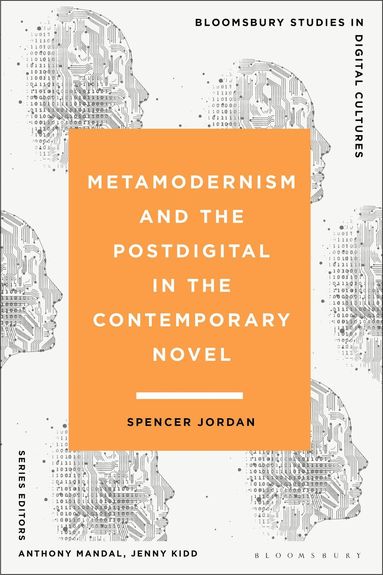
Metamodernism and the Postdigital in the Contemporary Novel
Spencer Jordan, Anthony Mandal, Jenny Kidd
Häftad, 2026
629 kr
Hoppa över listan



Du kanske också är intresserad av
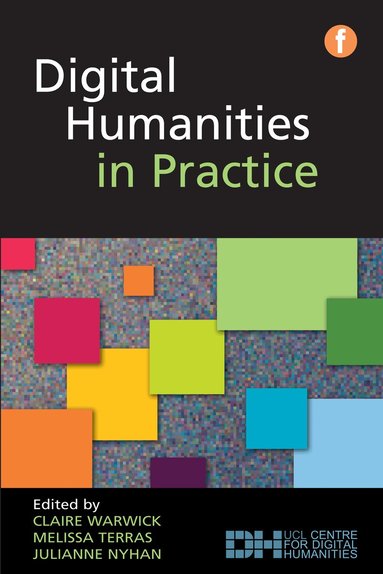
Digital Humanities and the Cyberspace Decade, 1990-2001
Claire Warwick, Anthony Mandal
Inbunden, 2024
1 669 kr
Trouble With Big Data
Jennifer Edmond, Nicola Horsley, Jörg Lehmann, Mike Priddy, Anthony Mandal
Häftad, 2023
559 kr