
Del i serien Historical Materialism
Communist and the Revolutionary Liberal in the Second American Revolution
Comparing Karl Marx and Frederick Douglass in Real-Time
Häftad, Engelska, 2025
549 kr
Beställningsvara. Skickas inom 5-8 vardagar. Fri frakt för medlemmar vid köp för minst 249 kr.
A unique comparative look at two of the most influential historical figures of the nineteenth century: Karl Marx and Frederick Douglass.The Communist and the Revolutionary Liberal in the Second American Revolution is a timely and urgent work of comparative political analysis. Juxtaposing the political thought and activism of Karl Marx and Frederick Douglass, who approached politics from very different theoretical and political perspectives, Nimtz and Edwards make insightful observations and conclusions about race and class in America. The book reveals how two still competing political perspectives, liberalism and Marxism, responded to the biggest breakthrough in the quest for democracy since the French Revolution: the abolition of chattel slavery in the United States. In doing so, Nimtz and Edwards connect debates about the most contentious issues of the nineteenth century to today’s struggles for democracy, freedom, and emancipation.
Produktinformation
- Utgivningsdatum2025-09-02
- Mått228 x 152 x 22 mm
- Vikt567 g
- FormatHäftad
- SpråkEngelska
- SerieHistorical Materialism
- Antal sidor417
- FörlagHaymarket Books
- ISBN9798888905395
Tillhör följande kategorier
Hoppa över listan
Mer från samma författare
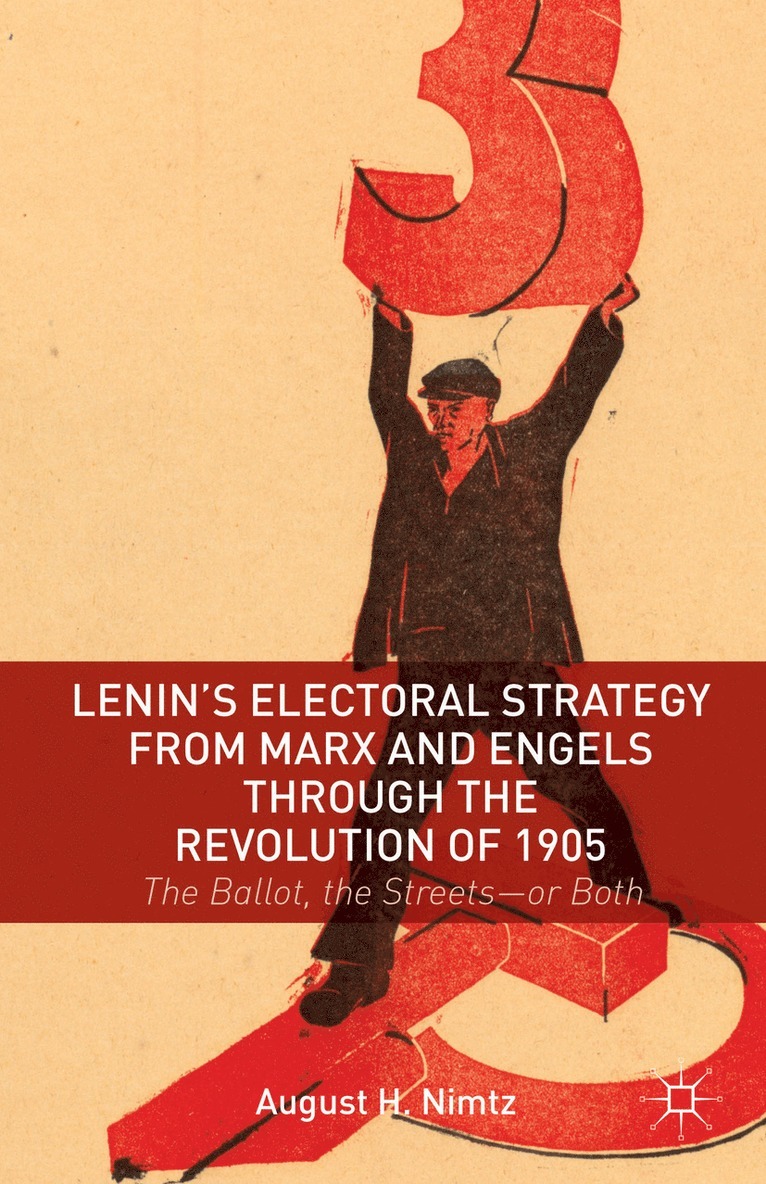
Lenin's Electoral Strategy from Marx and Engels through the Revolution of 1905
August H. Nimtz Jr.
Inbunden, 2014
1 299 kr
Lenin’s Electoral Strategy from 1907 to the October Revolution of 1917
August H. Nimtz Jr.
Inbunden, 2014
1 299 kr
Lenin’s Electoral Strategy from 1907 to the October Revolution of 1917
August H. Nimtz Jr.
Häftad, 2014
729 kr
Hoppa över listan




Mer från samma serie
Dialectic Of The Ideal: Evald Ilyenkov And Creative Soviet Marxism
Alex Levant, Vesa Oittinen
Häftad, 2015
459 kr
Toward a New World: Articles and Essays, 1901-1906
Alexander Bogdanov, David G. Rowley, David G Rowley
Häftad, 2022
529 kr
Hoppa över listan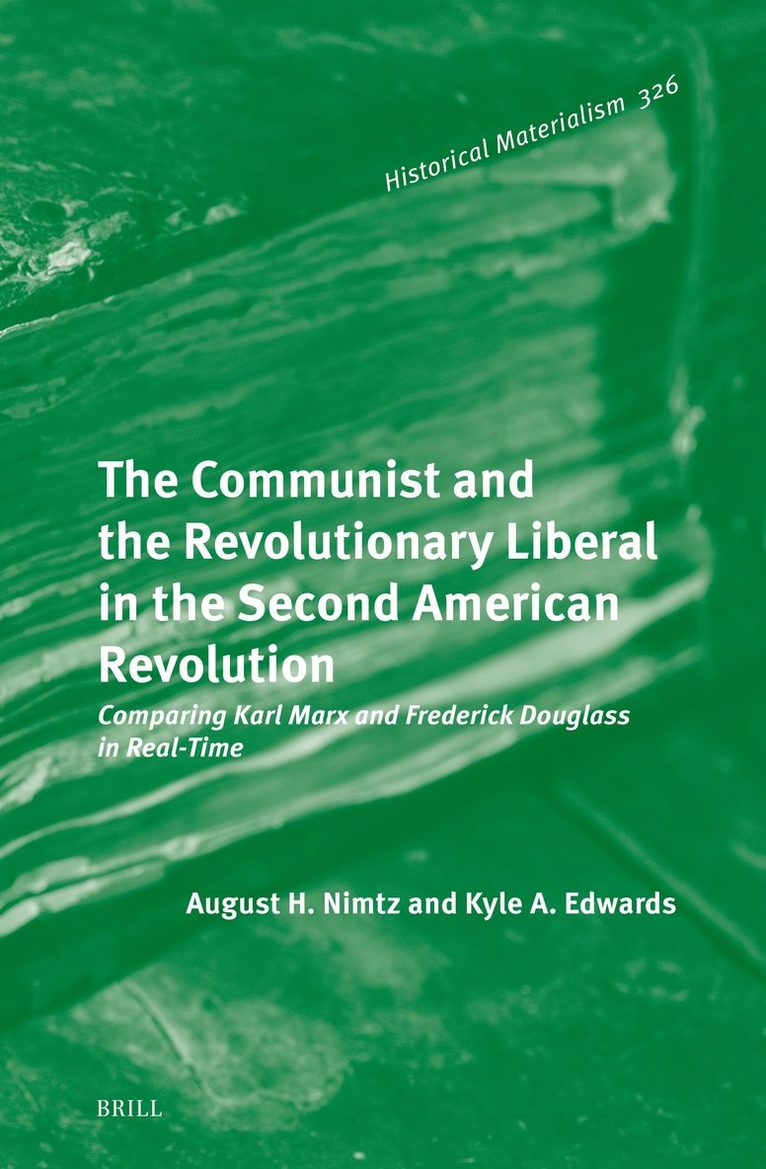
Du kanske också är intresserad av
Del 326
Communist and the Revolutionary Liberal in the Second American Revolution
August H. Nimtz, Kyle A. Edwards
Inbunden, 2024
3 299 kr
Lenin’s Electoral Strategy from 1907 to the October Revolution of 1917
August H. Nimtz Jr.
Häftad, 2014
729 kr
Lenin’s Electoral Strategy from 1907 to the October Revolution of 1917
August H. Nimtz Jr.
Inbunden, 2014
1 299 kr