
Del i serien Food Culture, Food History before 1900
Commerce, Food, and Identity in Seventeenth-Century England and France
Across the Channel
Inbunden, Engelska, 2022
4 029 kr
Beställningsvara. Skickas inom 10-15 vardagar. Fri frakt för medlemmar vid köp för minst 249 kr.
Finns i fler format (1)
This text offers a compelling historical narrative of the relationship between food, national identity, and political economy in the early modern period. These mutually influential relationships are revealed through comparative and transnational analyses of effervescent wine, spices and cookbooks, the development of coffeehouses and cafés, and the 'national sweet tooth' in England and France.
Produktinformation
- Utgivningsdatum2022-07-27
- Mått156 x 234 x 20 mm
- Vikt560 g
- FormatInbunden
- SpråkEngelska
- SerieFood Culture, Food History before 1900
- Antal sidor214
- FörlagAmsterdam University Press
- ISBN9789463720175
Tillhör följande kategorier
Hoppa över listan



Mer från samma serie
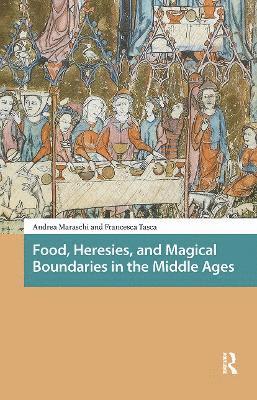
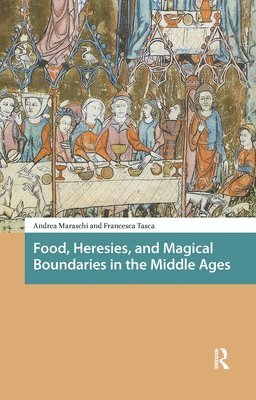
Food, Heresies, and Magical Boundaries in the Middle Ages
Andrea Maraschi, Francesca Tasca
Häftad, 2025
899 kr
Food Production and Gender across the Early Modern World
Melissa Calaresu, Marta Manzanares Mileo
Inbunden, 2026
2 809 kr
Colonial Caribbean Diets and the Creolisation of Food Practices (1780-1890)
Ilaria Berti
Inbunden, 2026
3 299 kr
Del 2
Del 4
Beer, Brewing, and the Boundaries of the Human in Early Modern English Culture
Donovan E. Tann
Inbunden, 2026
3 509 kr
Hoppa över listan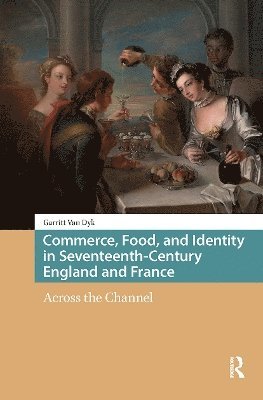

Du kanske också är intresserad av
Commerce, Food, and Identity in Seventeenth-Century England and France
Garritt van Dyk
Häftad, 2025
929 kr
Del 6
Food, Heresies, and Magical Boundaries in the Middle Ages
Andrea Maraschi, Francesca Tasca
Inbunden, 2024
2 809 kr
Beer, Brewing, and the Boundaries of the Human in Early Modern English Culture
Donovan E. Tann
Inbunden, 2026
3 509 kr
Del 1
Del 4
- Nyhet
Del 3
Colonial Caribbean Diets and the Creolisation of Food Practices (1780-1890)
Ilaria Berti
Inbunden, 2026
3 299 kr