
After Postcolonialism
Remapping PhilippinesDUnited States Confrontations
Häftad, Engelska, 2000
779 kr
Beställningsvara. Skickas inom 10-15 vardagar. Fri frakt för medlemmar vid köp för minst 249 kr.
This innovative analysis of the Philippine historical crisis is accompanied by a critique of a U.S. racial formation in which Filipinos constitute the largest Asian group. Literary and artistic expressions by Filipinos manifest a new emerging identity defined by the multicultural debates crossing the Pacific, transforming the Philippines into a borderland of East and West. Caught betwixt the Asian continent and the hegemonic power of the United States, the Philippines occupies a contested space between past and present. Between the memory of colonial experience and an emergent nation-making dream, can a meaningful future be envisioned? This provocative book explores this problematic zone of difference through a critique of the Western production of knowledge in the context of local resistance. While Americanization of the Filipino continues, the encounter of globalizing and nationalizing forces has precipitated a profound political and social crisis whose outcome may be a paradigmatic lesson for many so-called third world countries. What happens in this Southeast Asian nation may foretell the fate of the ideals of democracy and social justice now beleaguered by the market and the unrelenting commodification of everyday life.
Produktinformation
- Utgivningsdatum2000-05-24
- Mått149 x 227 x 15 mm
- Vikt345 g
- FormatHäftad
- SpråkEngelska
- SeriePacific Formations: Global Relations in Asian and Pacific Perspectives
- Antal sidor272
- FörlagBloomsbury Publishing Plc
- ISBN9780847698615
Tillhör följande kategorier
Hoppa över listan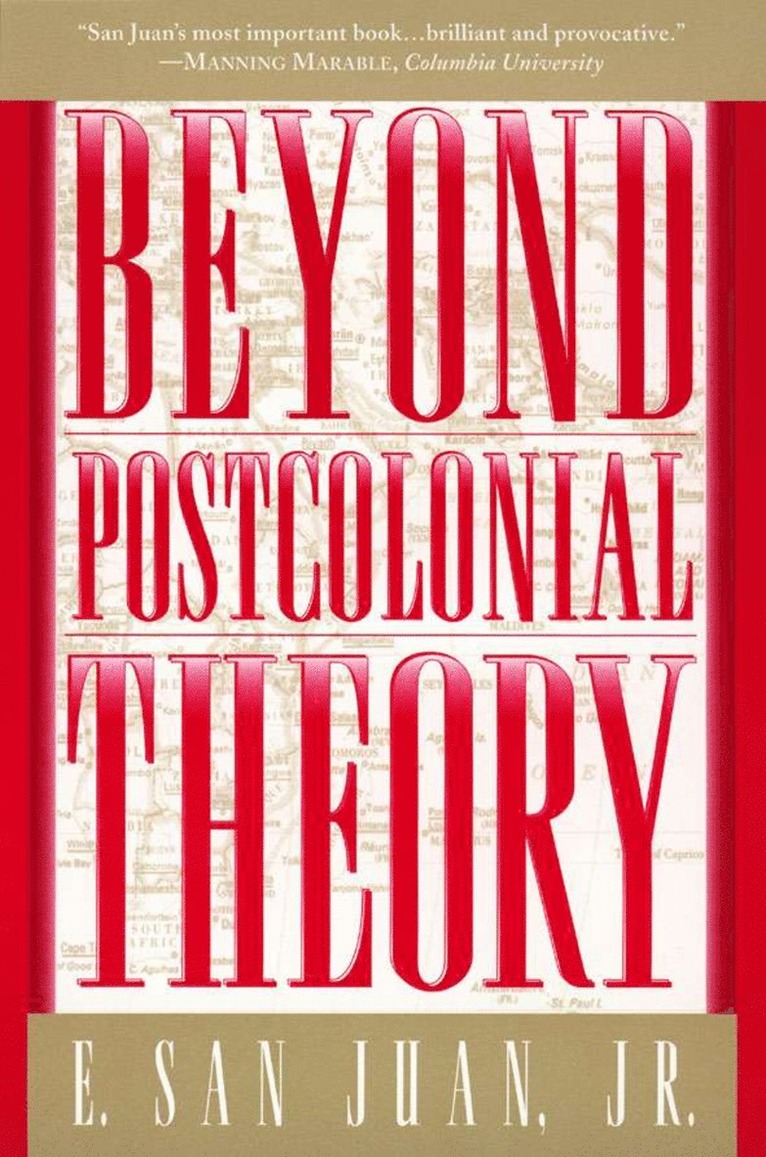


Mer från samma författare
Del 12
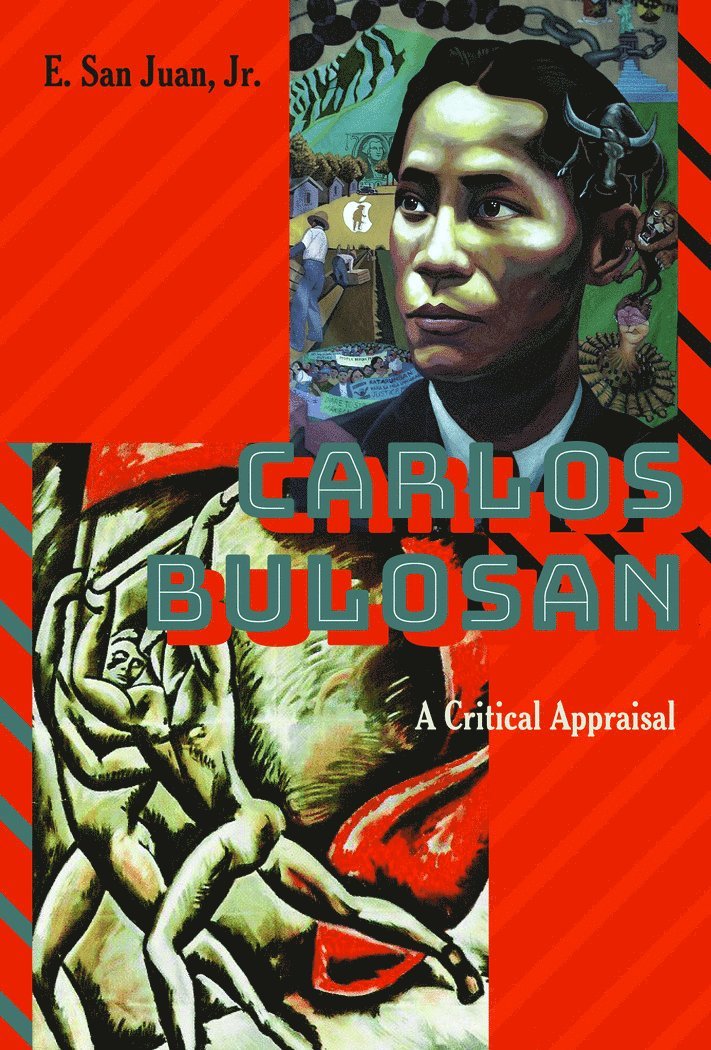
Carlos Bulosan—Revolutionary Filipino Writer in the United States
E. San Juan, Jr., Michael Adrian Peters, Peter McLaren
Inbunden, 2017
1 689 kr
Del 12
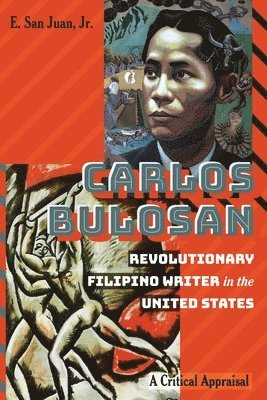
Carlos Bulosan—Revolutionary Filipino Writer in the United States
E. San Juan, Jr., Michael Adrian Peters, Peter McLaren
Häftad, 2018
769 kr
Hoppa över listan
Du kanske också är intresserad av
Del 12
Carlos Bulosan—Revolutionary Filipino Writer in the United States
E. San Juan, Jr., Michael Adrian Peters, Peter McLaren
Häftad, 2018
769 kr