
Žižek and his Contemporaries
On the Emergence of the Slovenian Lacan
Häftad, Engelska, 2014
719 kr
Beställningsvara. Skickas inom 10-15 vardagar. Fri frakt för medlemmar vid köp för minst 249 kr.
Finns i fler format (1)
In recent years, the popularity of the inimitable Slavoj Žižek has perhaps cast a shadow over the collective influence exerted by Slovenian intellectuals on modern day philosophy. Yet despite his image as an isolated genius, this timely book relocates Žižek as a thinker whose ideas are born of a specifically Slovenian context. Although only coming to international notice in the early 1990s, the Slovenian school needs to be understood as the culmination of a series of intellectual, artistic and political movements inextricably connected to the quest for the succession of Slovenia from Yugoslavia. These developments in thought must also be seen in the light of one of the giants of Continental philosophy: Jacques Lacan. Featuring brand new interviews with three of its forerunners - Žižek, Mladen Dolar and Alenka Zupancic - this fascinating account details each philosopher's individual concerns, whilst shedding light on the complex genealogy and continuing development of the Slovenian Neo-Lacanian school. Rarely are we afforded such an opportunity to study the birth of a philosophy from a seminal moment in modern history.
Produktinformation
- Utgivningsdatum2014-06-19
- Mått138 x 216 x 13 mm
- Vikt272 g
- FormatHäftad
- SpråkEngelska
- Antal sidor232
- FörlagBloomsbury Publishing Plc
- ISBN9781441105134
Tillhör följande kategorier
Hoppa över listan







Mer från samma författare
Del 8
Del 4
Paulo Freire’s Philosophy of Education in Contemporary Context
Jones Irwin, Letterio Todaro
Häftad, 2022
769 kr
Del 7
Hoppa över listan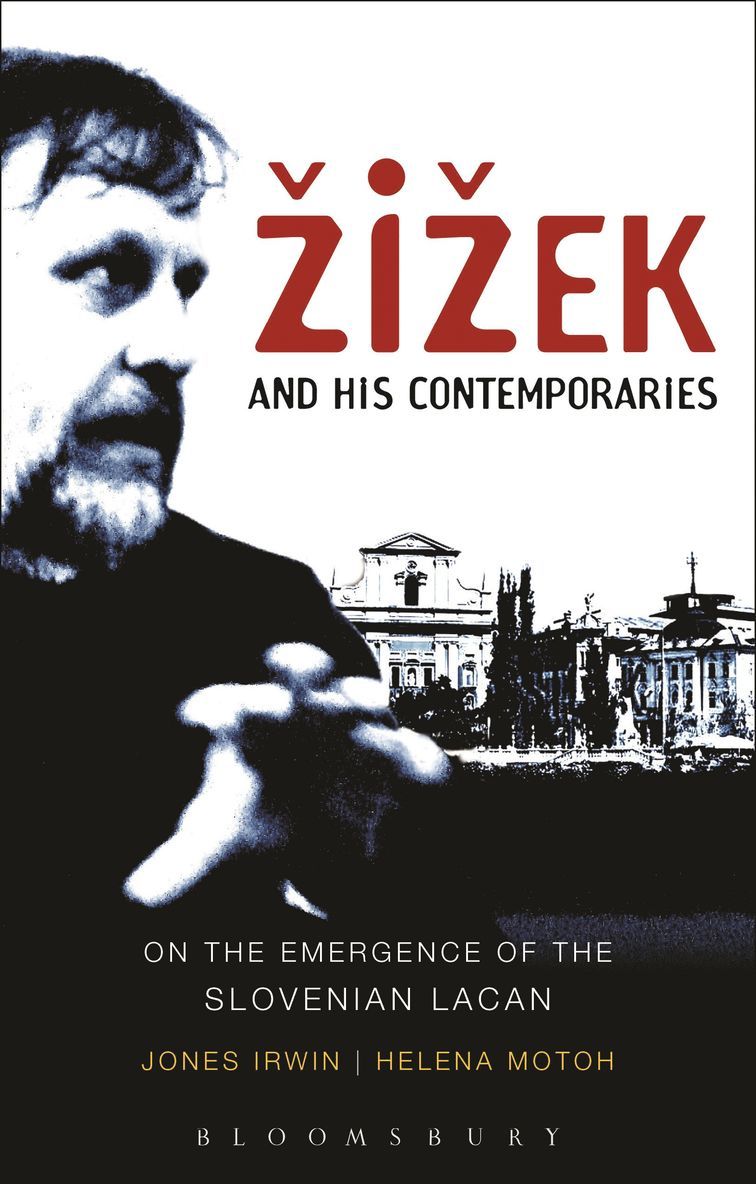

Du kanske också är intresserad av
Del 7
Del 8
Del 4
Paulo Freire’s Philosophy of Education in Contemporary Context
Jones Irwin, Letterio Todaro
Häftad, 2022
769 kr
- Nyhet