
Del i serien Posthumanism in Practice
Xenoaesthetics
- Nyhet
A Posthumanist Approach to Architectural Encounter
Inbunden, Engelska, 2026
1 549 kr
Beställningsvara. Skickas inom 10-15 vardagar. Fri frakt för medlemmar vid köp för minst 249 kr.
Examining our relationships with architecture beyond human-centric perspectives, Xenoaesthetics challenges conventional views of design and space inhabitation by exploring the architectural project as an autonomous entity. Drawing together insights from philosophy and architecture, this book delves into the conditions, roles, and implications of architectural encounters, conceptualising the architectural project as a site of unity-multiplicity tension, and introducing the concept of xenoaesthetics as a cognitive mode attuned to this structure. This approach invites readers to reimagine architectural experience as a dual action that reveals the project to us and realizes itself through us. As well as implying disciplinary consequences for design questions, Vaillo’s work holds socio-political significance for our everyday architectural interactions, contributing to the quest for practices and discourses on equality. Methodologically, his argument draws from Object-Oriented Ontology and the architect Enric Miralles, offering an additional retrospective crossover that enriches both references.A resource for students, architects, scholars, and enthusiasts interested in exploring architecture beyond assumptions and prescribed value systems, Xenoaesthetics encourages a deeper understanding of the intricate relationship between humans and the architectural project.
Produktinformation
- Utgivningsdatum2026-08-06
- Mått156 x 236 x 22 mm
- Vikt640 g
- FormatInbunden
- SpråkEngelska
- SeriePosthumanism in Practice
- Antal sidor320
- FörlagBloomsbury Publishing PLC
- ISBN9781350515031
Tillhör följande kategorier
Hoppa över listan
Mer från samma serie
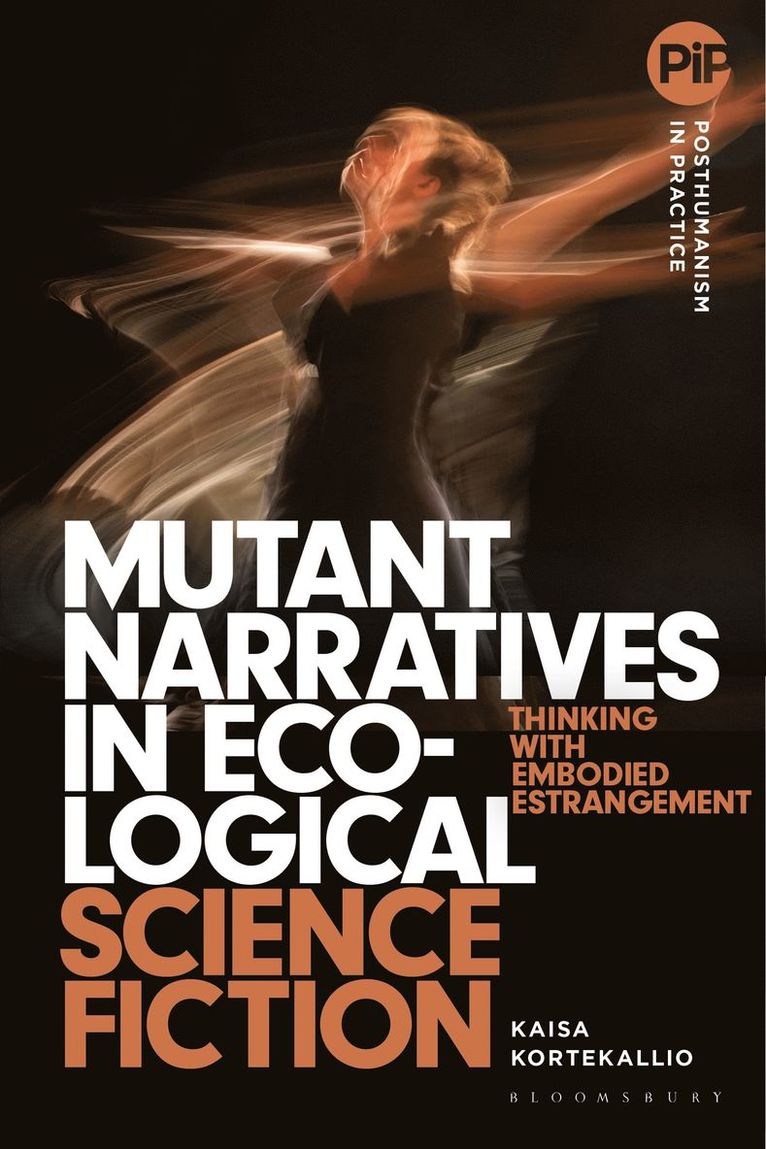
Mutant Narratives in Ecological Science Fiction
Kaisa Kortekallio, Matthew Hayler
Inbunden, 2023
1 879 kr
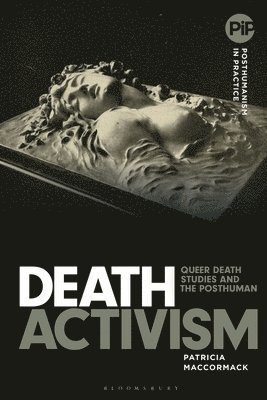
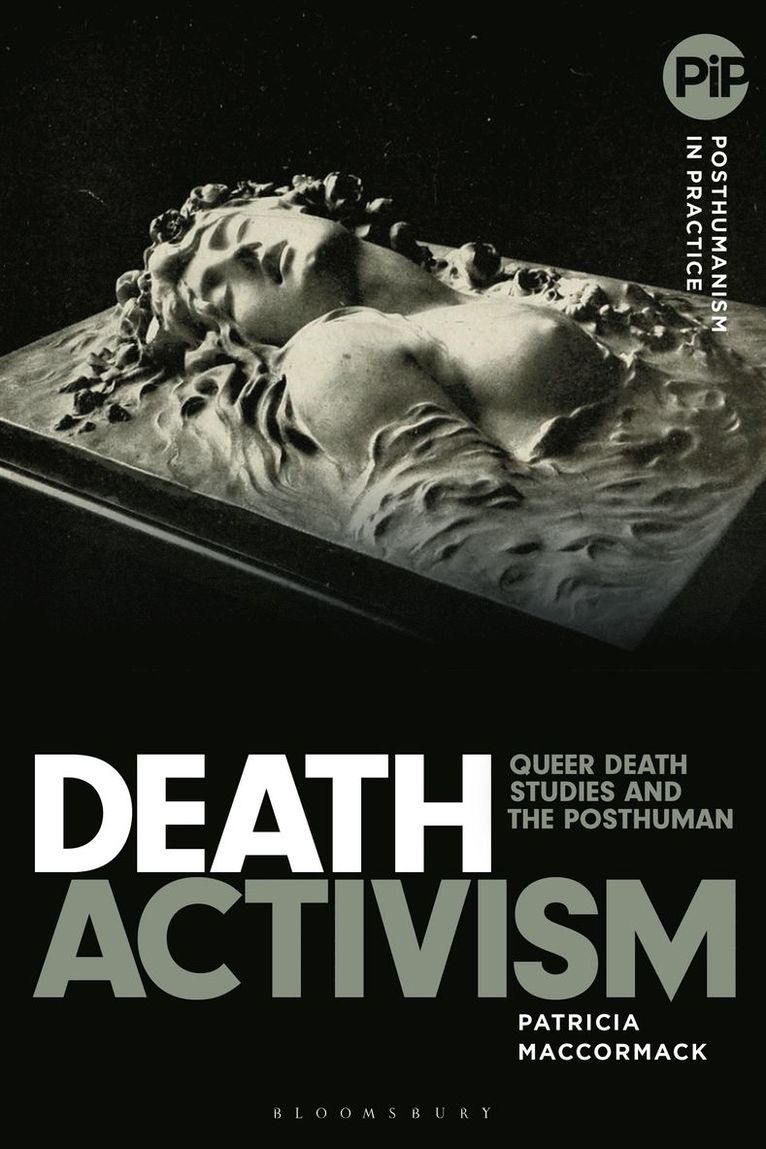
Death Activism
Patricia MacCormack, Matthew Hayler, Danielle Sands, Christine Daigle
Häftad, 2025
329 kr
Hoppa över listan
Du kanske också är intresserad av
Death Activism
Patricia MacCormack, Matthew Hayler, Danielle Sands, Christine Daigle
Häftad, 2025
329 kr
Mutant Narratives in Ecological Science Fiction
Kaisa Kortekallio, Matthew Hayler
Inbunden, 2023
1 879 kr