
Del i serien International Congress of Qualitative Inquiry ICQI Foundations and Futures in Qualitative Inquiry
Writing and Immanence
Concept Making and the Reorientation of Thought in Pedagogy and Inquiry
Häftad, Engelska, 2022
809 kr
Beställningsvara. Skickas inom 10-15 vardagar. Fri frakt för medlemmar vid köp för minst 249 kr.
Finns i fler format (1)
Writing and Immanence is a book that is attentive to the unabatingly potent, sometimes agonistic, forces at play in the continuing unfoldings of crises of representation. As immanent doing, the writing in the book writes to destabilise the orthodoxies, conventions and unquestioned givens of writing in the academy and, in so doing, is troubled by the ontogenetic uncertainties of its own writing coming into being. In the always active processualism of presencing, the fragility of word and concept creation animates, what Meillassoux has described as ‘the absolute necessity of the contingency of everything’. In working to avoid the formational and structural linearities of a series of numbered consecutive chapters, the book is constructed in and around the movements of the always actualising capaciousness of Acts. In offering engagements with education research and pedagogy and always sensitive to the dynamics of multiplicity, each Act emanates from and feeds into other en(Act)ments in the unfolding emergence of the book. Hence, in agencement, the book offers multiple points of entry and departure. Deleuze has said that a creator is ‘someone who creates their own impossibilities, and thereby creates possibilities…it’s by banging your head on the wall that you find a way through.’ Therefore, the writing of this book writes to the writing, pedagogic and qualitative research practices of those in education and the humanities who are writing to the creation of such impossibilities.
Produktinformation
- Utgivningsdatum2022-12-20
- Mått156 x 234 x 20 mm
- Vikt660 g
- FormatHäftad
- SpråkEngelska
- SerieInternational Congress of Qualitative Inquiry ICQI Foundations and Futures in Qualitative Inquiry
- Antal sidor202
- FörlagTaylor & Francis Ltd
- ISBN9780367723217
Tillhör följande kategorier
Hoppa över listan
Mer från samma författare
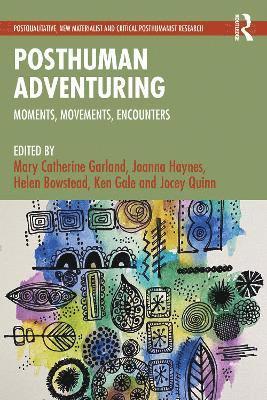
Posthuman Adventuring
Mary Garland, Joanna Haynes, Ken Gale, Helen Bowstead, Jocey Quinn
Häftad, 2025
899 kr
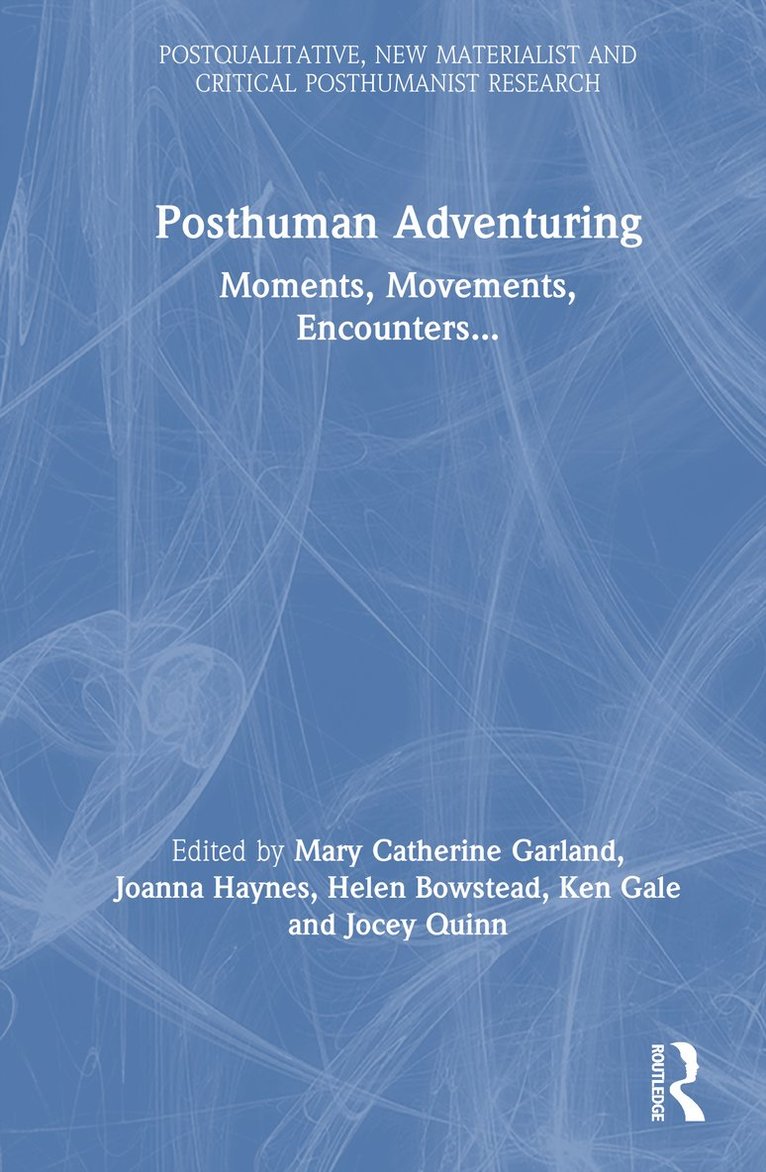
Posthuman Adventuring
Mary Garland, Joanna Haynes, Ken Gale, Helen Bowstead, Jocey Quinn
Inbunden, 2025
3 219 kr
Del 38
Del 38
Deleuze and Collaborative Writing
Jonathan Wyatt, Ken Gale, Susanne Gannon, William F. Pinar
Inbunden, 2011
1 469 kr
Hoppa över listan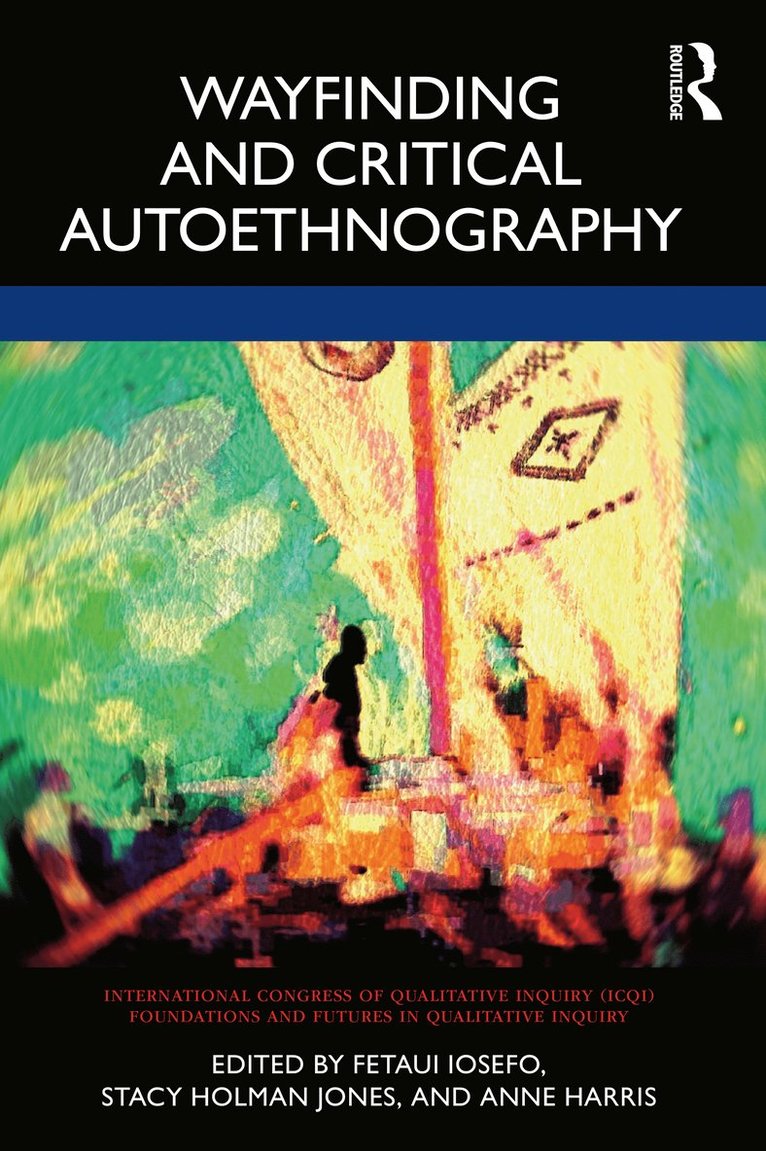
Mer från samma serie
Wayfinding and Critical Autoethnography
Fetaui Iosefo, Anne Harris, Stacy Holman Jones
Häftad, 2020
879 kr
Wayfinding and Critical Autoethnography
Fetaui Iosefo, Anne Harris, Stacy Holman Jones
Inbunden, 2020
3 129 kr
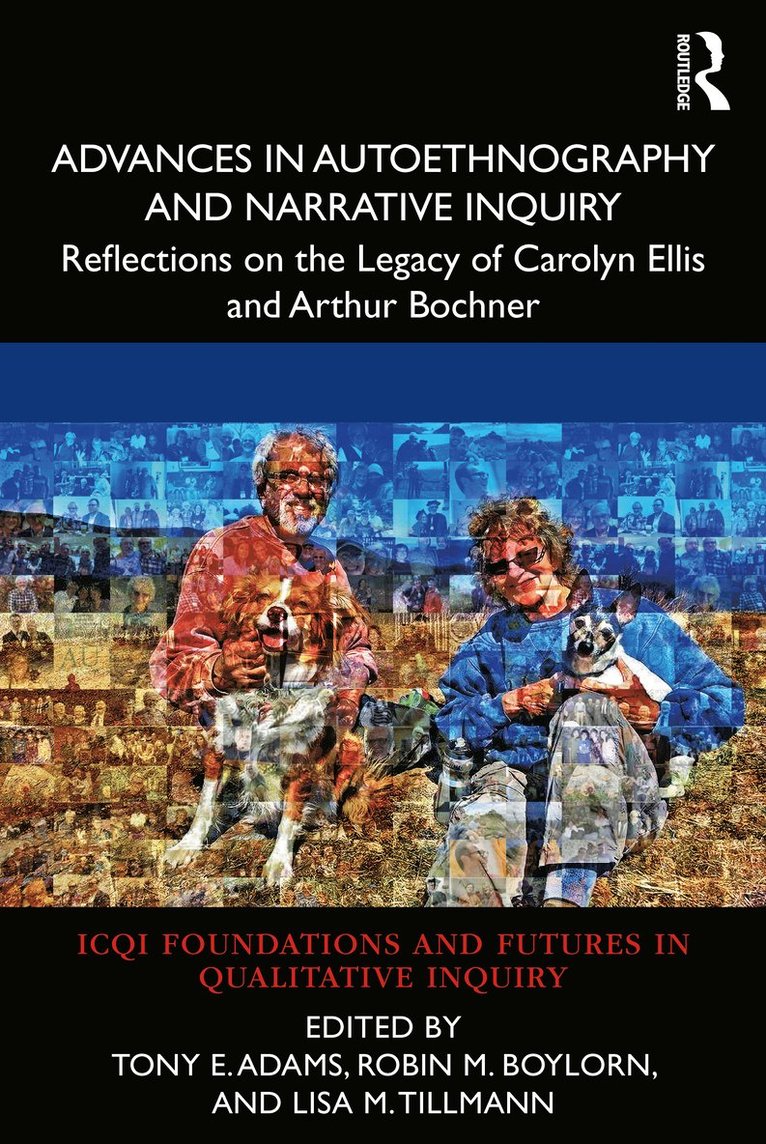
Advances in Autoethnography and Narrative Inquiry
Tony E. Adams, Robin M. Boylorn, Lisa M. Tillmann
Inbunden, 2021
3 219 kr
Advances in Autoethnography and Narrative Inquiry
Tony E. Adams, Robin M. Boylorn, Lisa M. Tillmann
Häftad, 2021
899 kr
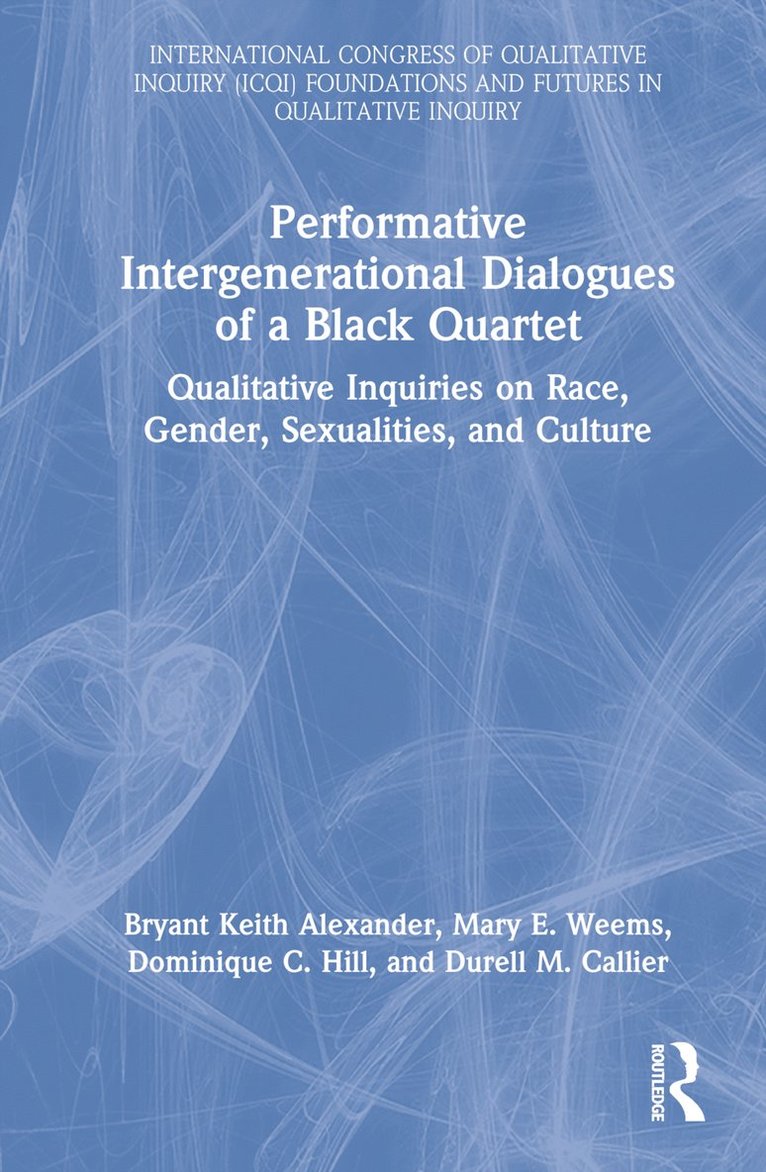
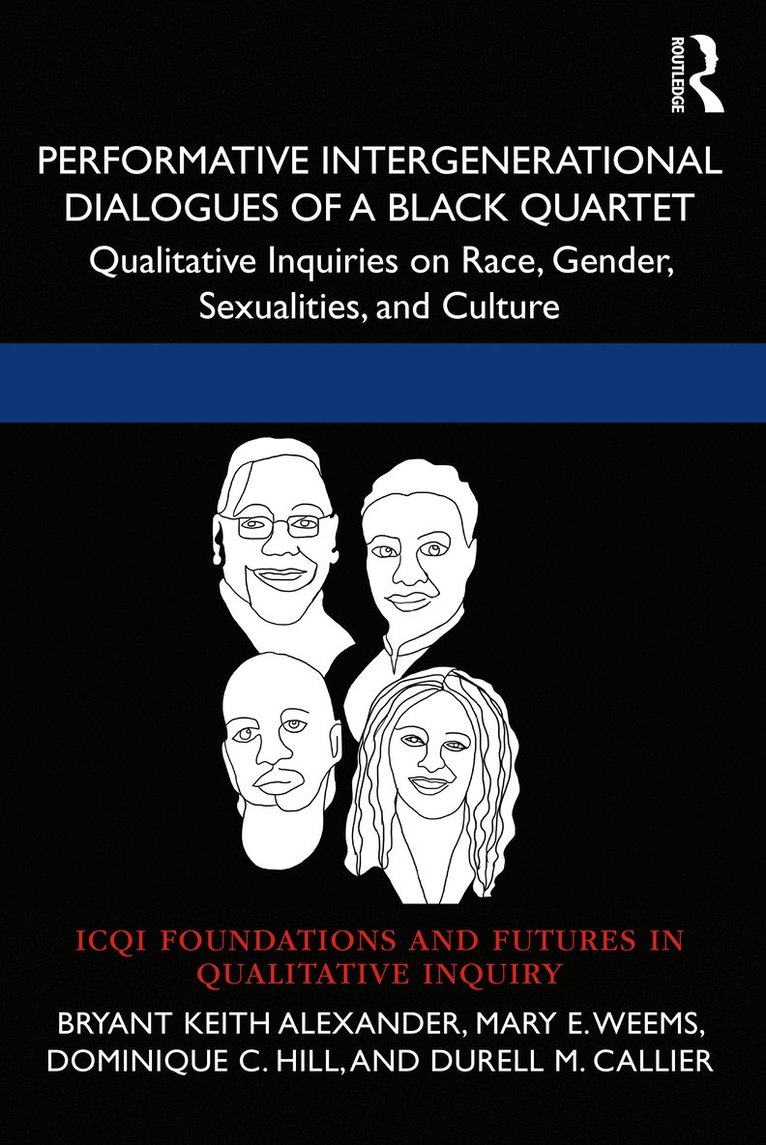
Performative Intergenerational Dialogues of a Black Quartet
Bryant Keith Alexander, Mary E. Weems, Dominique C. Hill, Durell M. Callier
Inbunden, 2022
3 309 kr
Performative Intergenerational Dialogues of a Black Quartet
Bryant Keith Alexander, Mary E. Weems, Dominique C. Hill, Durell M. Callier
Häftad, 2022
929 kr
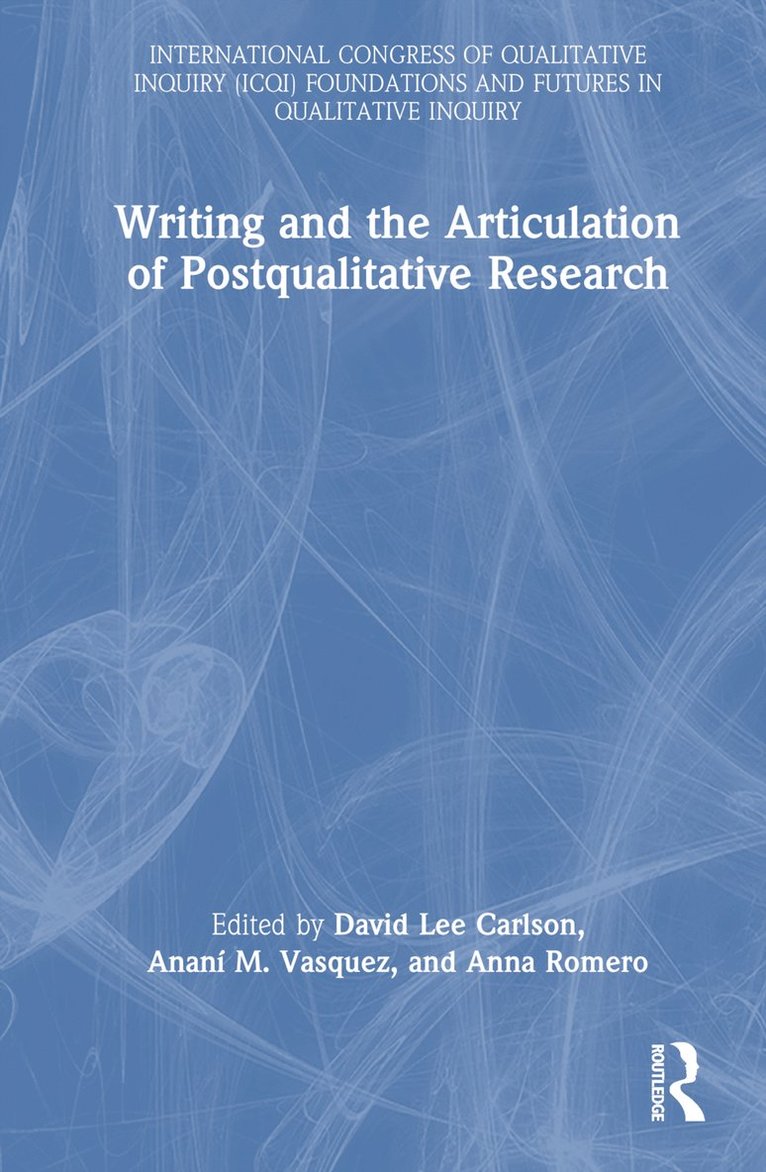
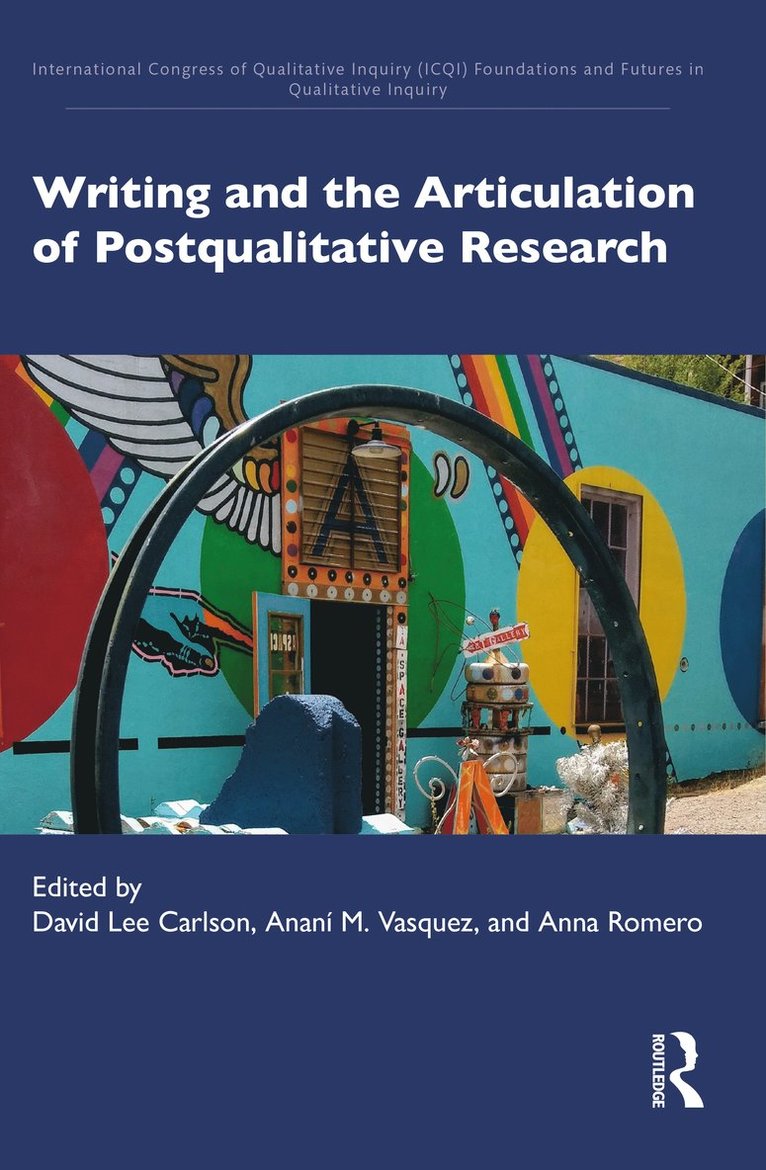
Writing and the Articulation of Postqualitative Research
David Lee Carlson, Ananí M. Vasquez, Anna Romero
Inbunden, 2023
3 129 kr
Writing and the Articulation of Postqualitative Research
David Lee Carlson, Ananí M. Vasquez, Anna Romero
Häftad, 2023
859 kr
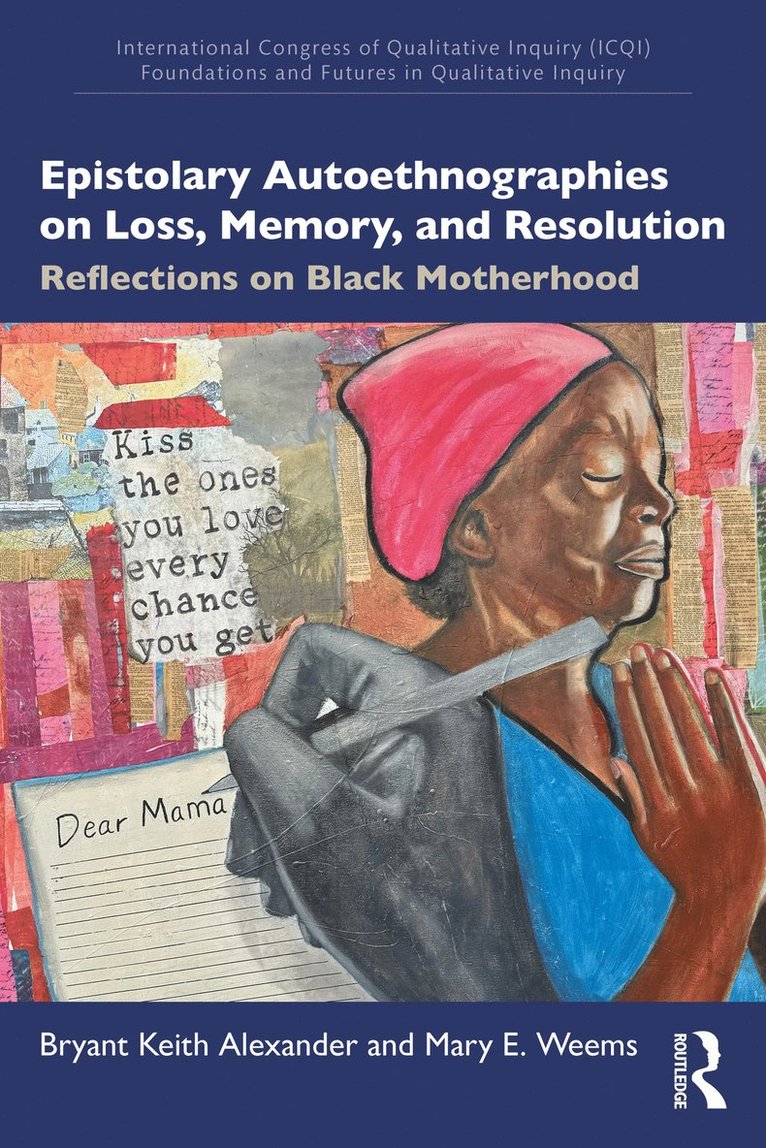
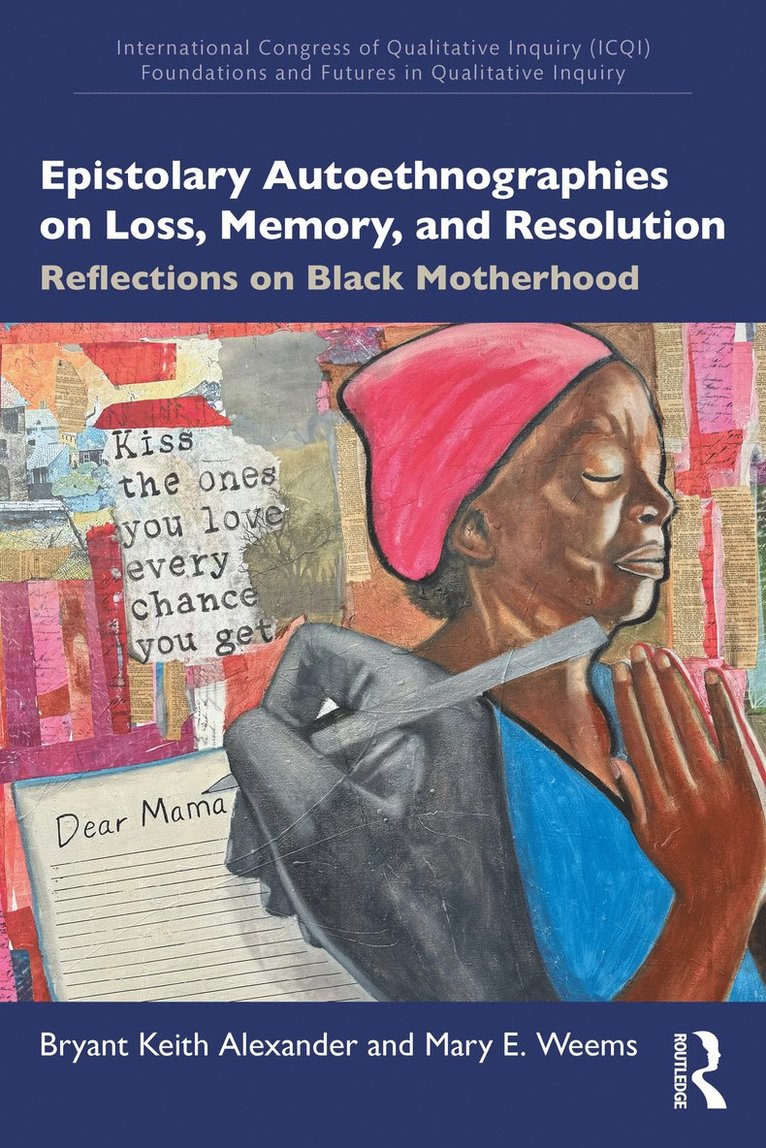
Epistolary Autoethnographies on Loss, Memory, and Resolution
Bryant Keith Alexander, Mary E. Weems
Inbunden, 2025
2 729 kr
Epistolary Autoethnographies on Loss, Memory, and Resolution
Bryant Keith Alexander, Mary E. Weems
Häftad, 2025
1 019 kr
Hoppa över listan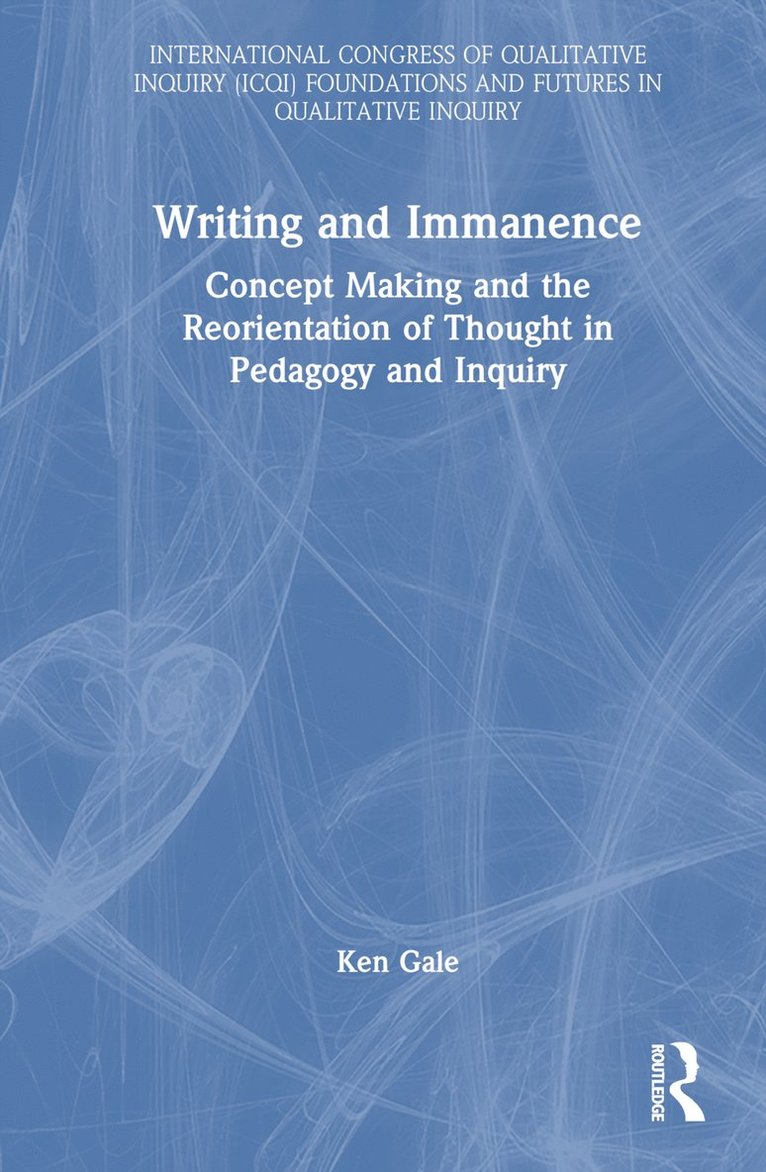
Du kanske också är intresserad av
Del 38
Deleuze and Collaborative Writing
Jonathan Wyatt, Ken Gale, Susanne Gannon, William F. Pinar
Inbunden, 2011
1 469 kr
Posthuman Adventuring
Mary Garland, Joanna Haynes, Ken Gale, Helen Bowstead, Jocey Quinn
Inbunden, 2025
3 219 kr
Posthuman Adventuring
Mary Garland, Joanna Haynes, Ken Gale, Helen Bowstead, Jocey Quinn
Häftad, 2025
899 kr
Del 38
Performative Intergenerational Dialogues of a Black Quartet
Bryant Keith Alexander, Mary E. Weems, Dominique C. Hill, Durell M. Callier
Inbunden, 2022
3 309 kr