
Victimhood and Vulnerability in 21st Century Fiction
Inbunden, Engelska, 2017
4 029 kr
Beställningsvara. Skickas inom 10-15 vardagar. Fri frakt för medlemmar vid köp för minst 249 kr.
Finns i fler format (1)
Editors Jean-Michel Ganteau and Susana Onega) have assembled a volume which addresses the relationship between trauma and ethics, and moves one step further to engage with vulnerability studies in their relation to literature and literary form. It consists of an introduction and of twelve articles written by specialists from various European countries and includes an interview with US novelist Jayne Anne Philips, conducted by her translator into French, Marc Amfreville, addressing her latest novel, Quiet Dell, through the victimhood-vulnerability prism. The corpus of primary sources on which the volume is based draws on various literary backgrounds in English, from Britain to India, through the USA. The editors draw on material from the ethics of alterity, trauma studies and the ethics of vulnerability in line with the work of moral philosophers like Emmanuel Levinas, as well as with a more recent and challenging tradition of continental thinkers, virtually unknown so far in the English-speaking world, represented by Guillaume Le Blanc, Nathalie Maillard, and Corinne Pelluchon, among others. Yet another related line of thought followed in the volume is that represented by feminist critics like Catriona McKenzie, Wendy Rogers and Susan Dodds.
Produktinformation
- Utgivningsdatum2017-03-17
- Mått152 x 229 x 19 mm
- Vikt476 g
- FormatInbunden
- SpråkEngelska
- SerieRoutledge Interdisciplinary Perspectives on Literature
- Antal sidor246
- FörlagTaylor & Francis Ltd
- ISBN9780415788298
Tillhör följande kategorier
Hoppa över listan
Mer från samma författare
Trauma and Romance in Contemporary British Literature
Jean-Michel Ganteau, Susana Onega
Inbunden, 2012
3 719 kr
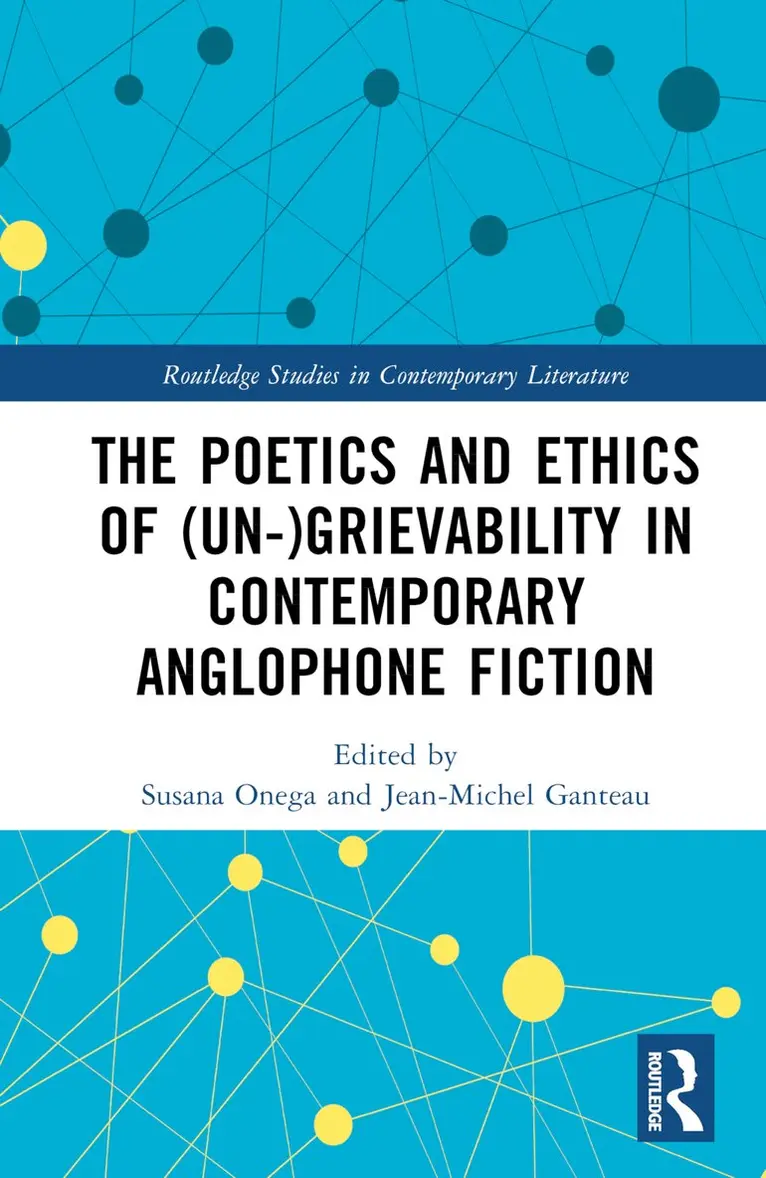
Poetics and Ethics of (Un-)Grievability in Contemporary Anglophone Fiction
Susana Onega, Jean-Michel Ganteau
Inbunden, 2022
3 719 kr
Poetics and Ethics of (Un-)Grievability in Contemporary Anglophone Fiction
Susana Onega, Jean-Michel Ganteau
Häftad, 2022
919 kr
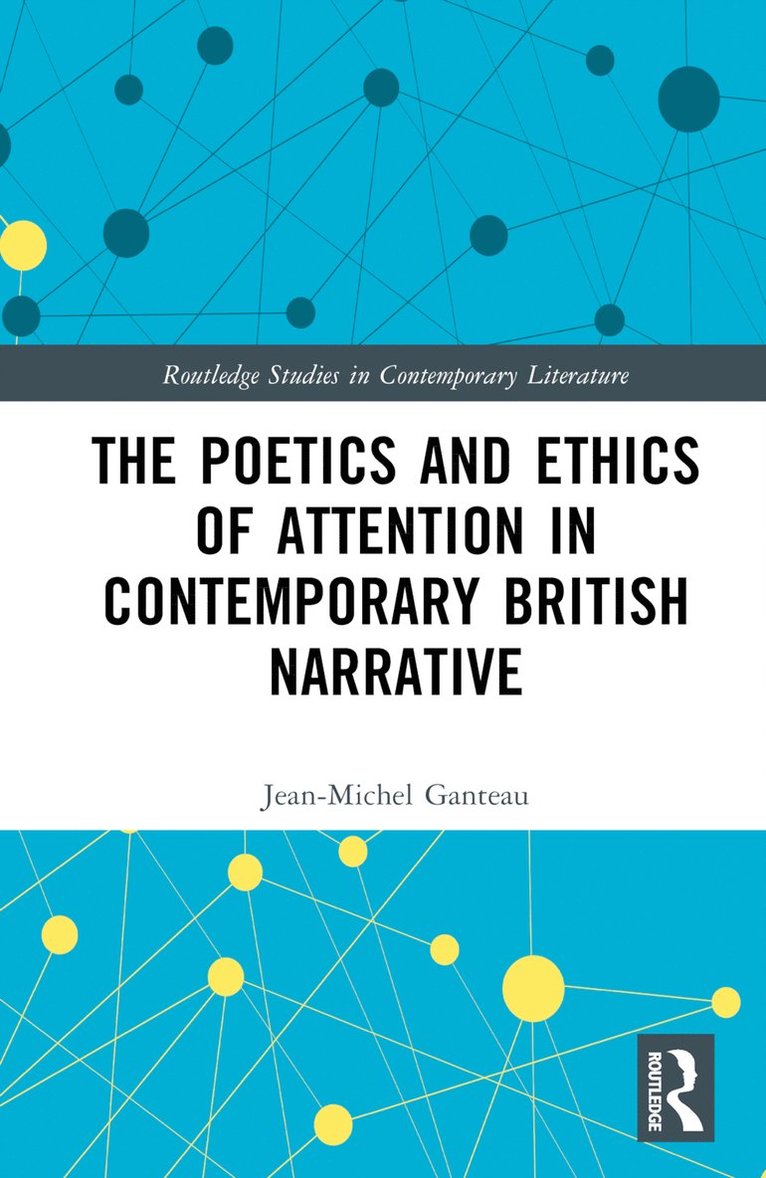
Poetics and Ethics of Attention in Contemporary British Narrative
Jean-Michel Ganteau
Inbunden, 2022
3 149 kr
Poetics and Ethics of Attention in Contemporary British Narrative
Jean-Michel Ganteau
Häftad, 2024
959 kr
Ethics of (In-)Attention in Contemporary Anglophone Narrative
Jean-Michel Ganteau, Susana Onega
Inbunden, 2024
4 059 kr
Ethics of (In-)Attention in Contemporary Anglophone Narrative
Jean-Michel Ganteau, Susana Onega
Häftad, 2026
1 039 kr
Hoppa över listan




Mer från samma serie
No Dialect Please, You're a Poet
Claire Hélie, Elise Brault-Dreux, Emilie Loriaux
Inbunden, 2019
3 689 kr
Hoppa över listan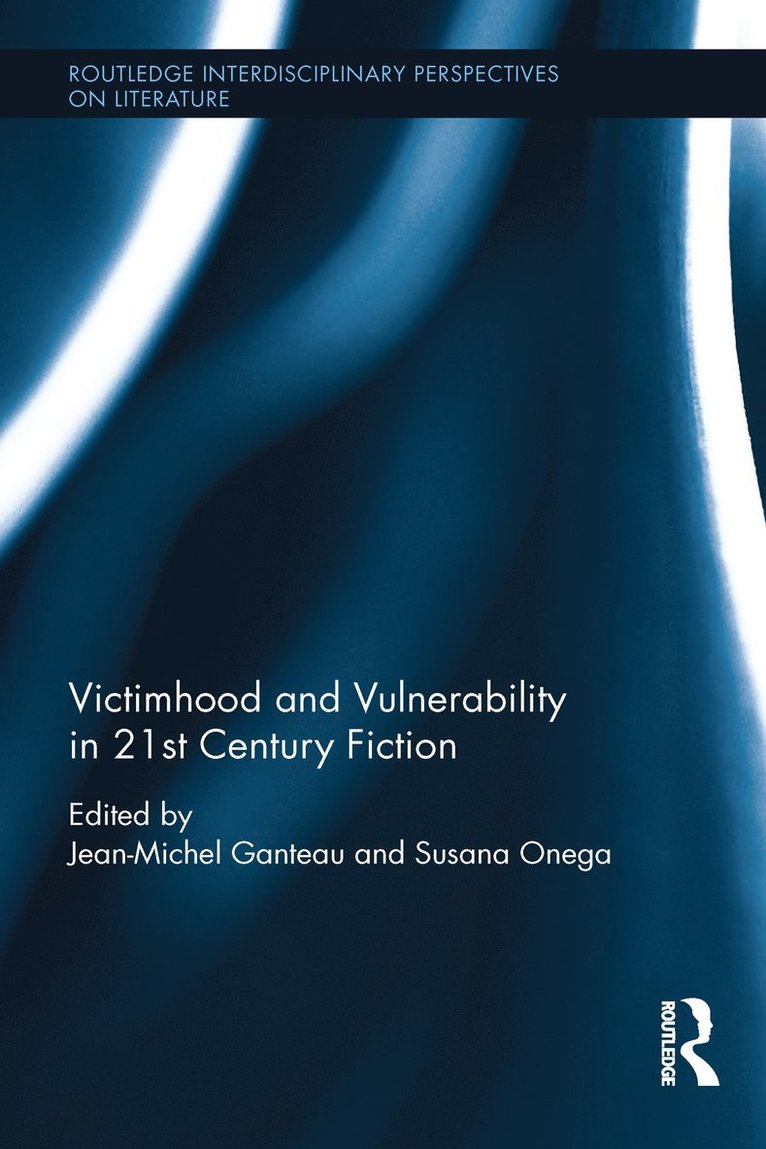
Du kanske också är intresserad av
Victimhood and Vulnerability in 21st Century Fiction
Jean-Michel Ganteau, Susana Onega
Häftad, 2021
1 039 kr
Poetics and Ethics of (Un-)Grievability in Contemporary Anglophone Fiction
Susana Onega, Jean-Michel Ganteau
Häftad, 2022
919 kr
Ethics of (In-)Attention in Contemporary Anglophone Narrative
Jean-Michel Ganteau, Susana Onega
Häftad, 2026
1 039 kr
Poetics and Ethics of (Un-)Grievability in Contemporary Anglophone Fiction
Susana Onega, Jean-Michel Ganteau
Inbunden, 2022
3 719 kr
Ethics of (In-)Attention in Contemporary Anglophone Narrative
Jean-Michel Ganteau, Susana Onega
Inbunden, 2024
4 059 kr
Trauma and Romance in Contemporary British Literature
Jean-Michel Ganteau, Susana Onega
Inbunden, 2012
3 719 kr