
Del i serien Contemporary Inter-American Relations
United States and Mexico
Between Partnership and Conflict
Häftad, Engelska, 2009
959 kr
Beställningsvara. Skickas inom 10-15 vardagar. Fri frakt för medlemmar vid köp för minst 249 kr.
Finns i fler format (1)
By sharing one of the longest land borders in the world, the United States and Mexico will always have a special relationship. In the early twenty-first century, they are as important to one another as ever before with a vital trade partnership and often-tense migration positions. The ideal introduction to U.S.-Mexican relations, this book moves from conflicts all through the nineteenth century up to contemporary democratic elections in Mexico.Domínguez and Fernández de Castro deftly trace the path of the relationship between these North American neighbors from bloody conflicts to (wary) partnership. By covering immigration, drug trafficking, NAFTA, democracy, environmental problems, and economic instability, the second edition of The United States and Mexico provides a thorough look back and an informed vision of the future.
Produktinformation
- Utgivningsdatum2009-03-26
- Mått152 x 229 x 15 mm
- Vikt362 g
- FormatHäftad
- SpråkEngelska
- SerieContemporary Inter-American Relations
- Antal sidor252
- Upplaga2
- FörlagTaylor & Francis Ltd
- ISBN9780415992190
Tillhör följande kategorier
Hoppa över listan


Mer från samma författare
Del 29
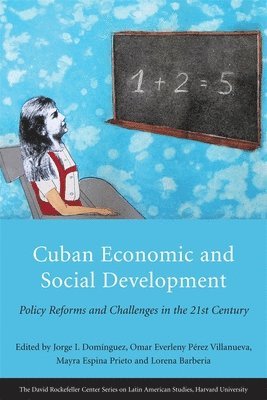
Cuban Economic and Social Development
Jorge I. Domínguez, Omar Everleny Pérez Villanueva, Mayra Espina Prieto, Lorena Barberia
Häftad, 2012
289 kr
Del 32
Social Policies and Decentralization in Cuba
Jorge I. Domínguez, María del Carmen Zabala Arguelles, Mayra Espina Prieto, Lorena Barberia
Häftad, 2017
289 kr
Hoppa över listan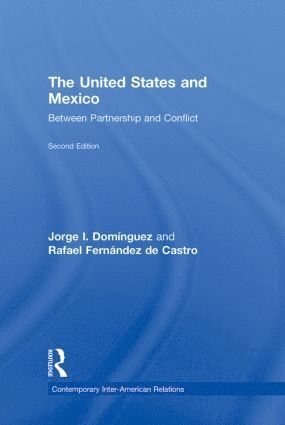
Du kanske också är intresserad av
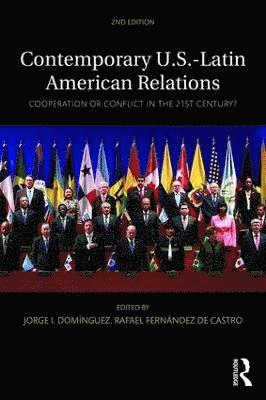
Contemporary U.S.-Latin American Relations
Jorge I. Domínguez, Rafael Fernández de Castro
Häftad, 2016
1 049 kr
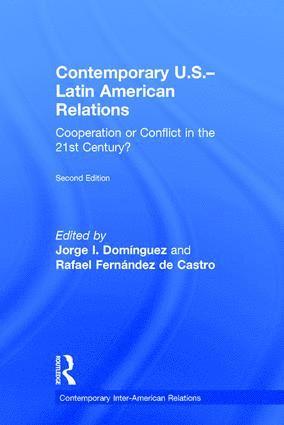
Contemporary U.S.-Latin American Relations
Jorge I. Domínguez, Rafael Fernández de Castro
Inbunden, 2016
3 509 kr
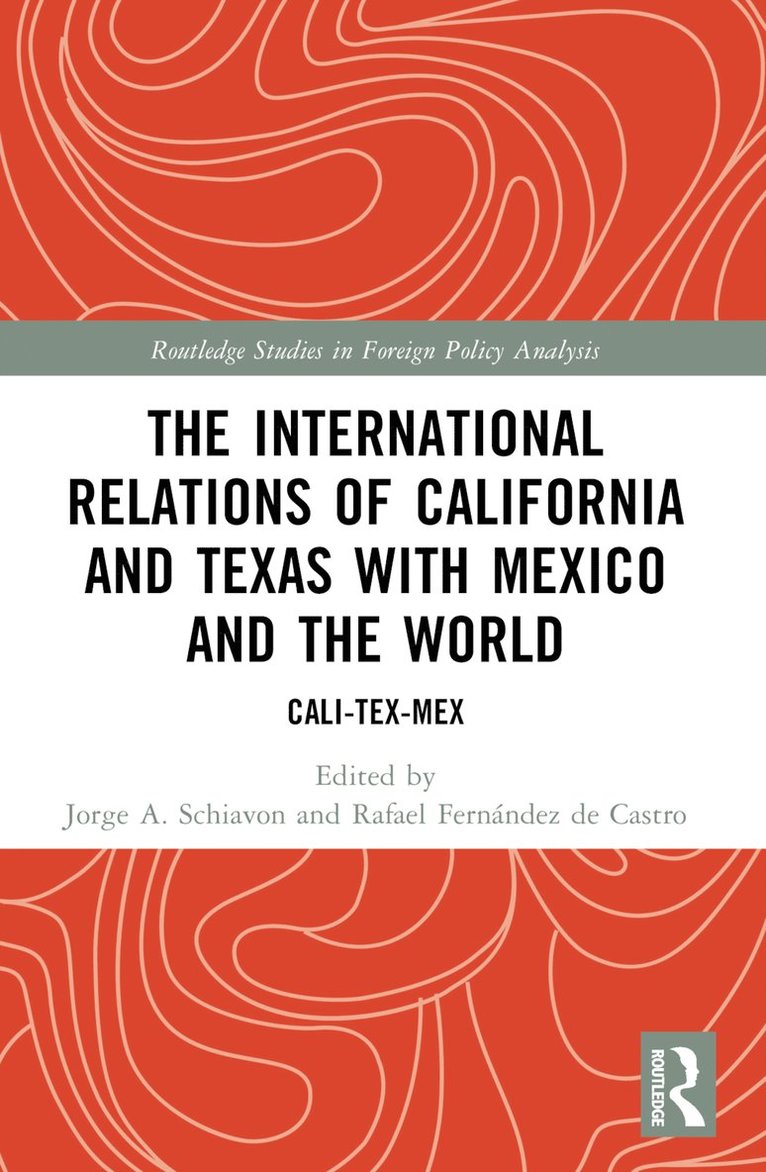
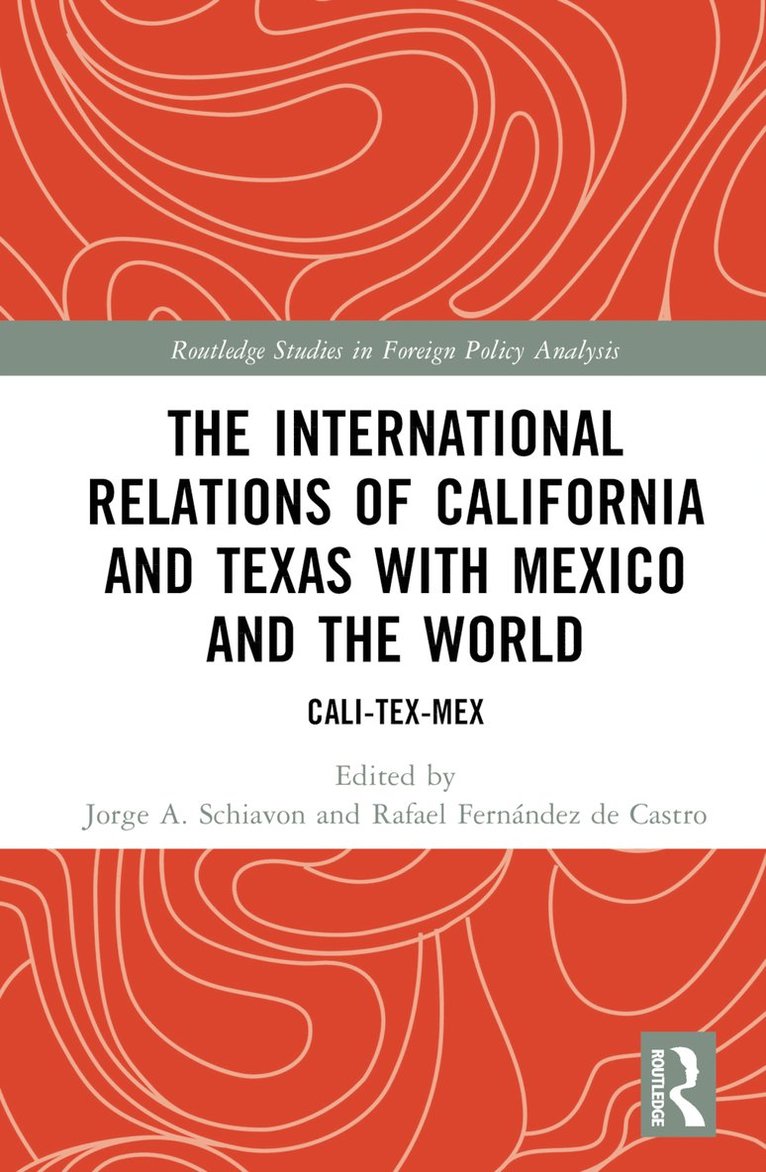
International Relations of California and Texas with Mexico and the World
Jorge A. Schiavon, Rafael Fernández de Castro
Häftad, 2024
829 kr
International Relations of California and Texas with Mexico and the World
Jorge A. Schiavon, Rafael Fernández de Castro
Inbunden, 2023
3 209 kr