
Del i serien Cornell Studies in Security Affairs
Ultimate Enemy
British Intelligence and Nazi Germany, 1933–1939
Inbunden, Engelska, 1985
889 kr
Beställningsvara. Skickas inom 10-15 vardagar. Fri frakt för medlemmar vid köp för minst 249 kr.
Finns i fler format (1)
How realistically did the British government assess the threat from Nazi Germany during the 1930s? How accurate was British intelligence's understanding of Hitler's aims and Germany's military and industrial capabilities? In The Ultimate Enemy, Wesley K. Wark catalogues the many misperceptions about Nazi Germany that were often fostered by British intelligence.This book, the product of exhaustive archival research, first looks at the goals of British intelligence in the 1930s. He explains the various views of German power held by the principal Whitehall authorities—including the various military intelligence directorates and the semi-clandestine Industrial Intelligence Centre—and he describes the efforts of senior officials to fit their perceptions of German power into the framework of British military and diplomatic policy. Identifying the four phases through which the British intelligence effort evolved, he assesses its shortcomings and successes, and he calls into question the underlying premises of British intelligence doctrine.Wark shows that faulty intelligence assessments were crucial in shaping the British policy of appeasement up to the outbreak of World War II. His book offers a new perspective on British policy in the interwar period and also contributes a fascinating case study in the workings of intelligence services during a period of worldwide crisis.
Produktinformation
- Utgivningsdatum1985-10-01
- Mått152 x 229 x 27 mm
- Vikt907 g
- FormatInbunden
- SpråkEngelska
- SerieCornell Studies in Security Affairs
- Antal sidor304
- FörlagCornell University Press
- ISBN9780801418211
Tillhör följande kategorier
Hoppa över listan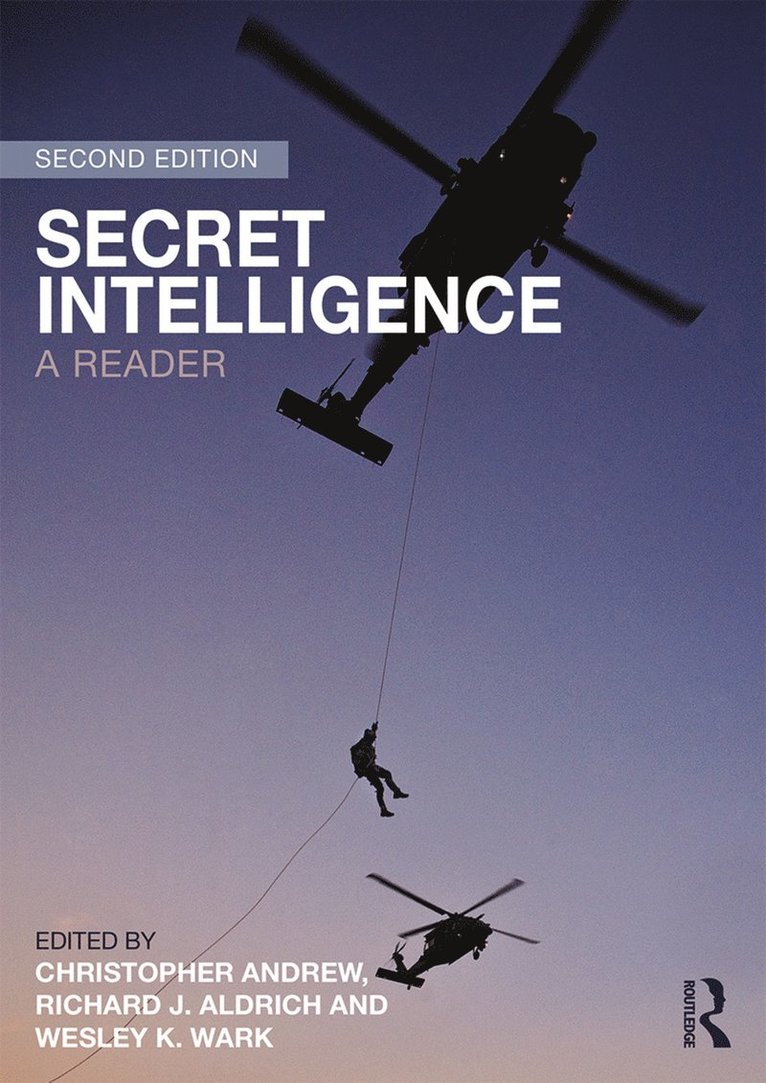
Mer från samma författare
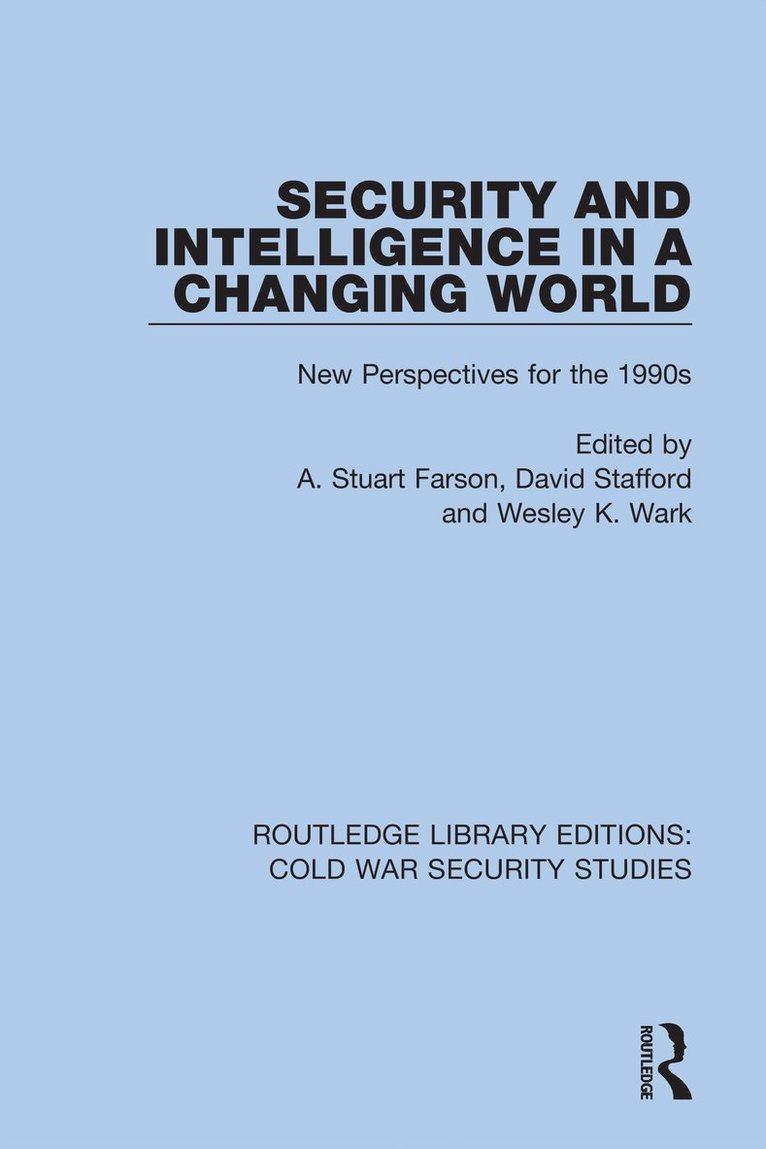
Security and Intelligence in a Changing World
A. Stuart Farson, David Stafford, Wesley K. Wark
Inbunden, 2021
2 339 kr
Security and Intelligence in a Changing World
A. Stuart Farson, David Stafford, Wesley K. Wark
Häftad, 2022
699 kr
Hoppa över listan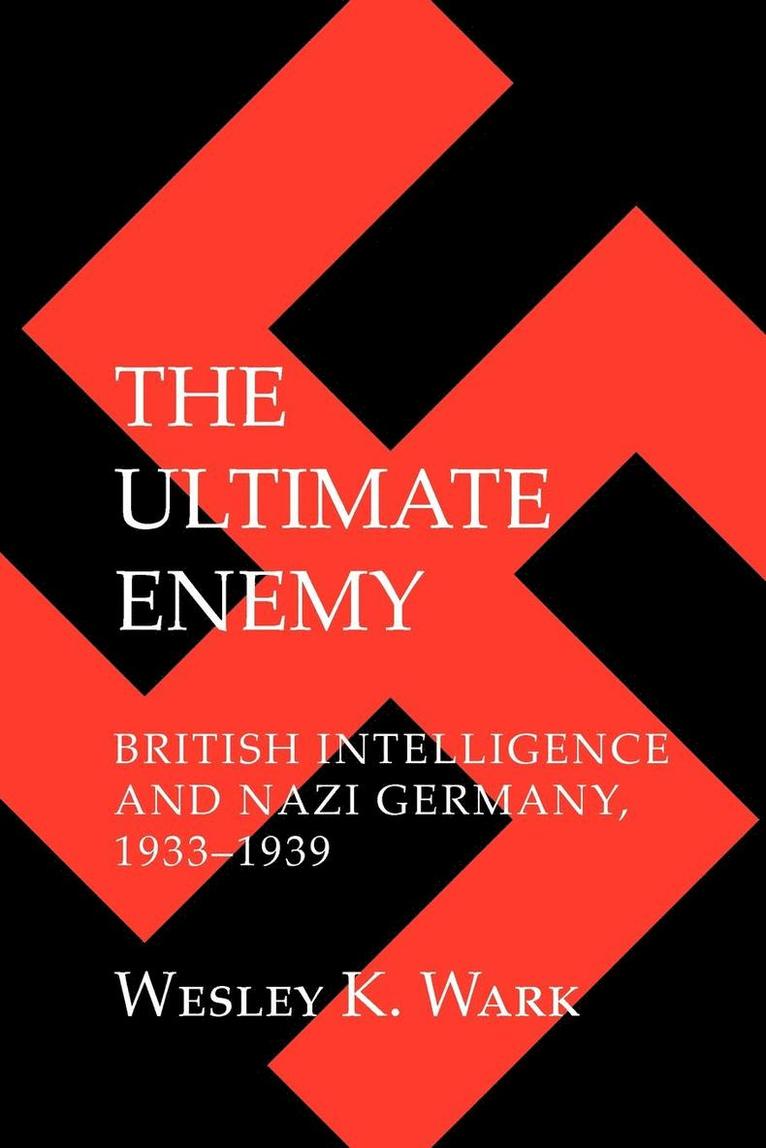
Du kanske också är intresserad av
Security and Intelligence in a Changing World
A. Stuart Farson, David Stafford, Wesley K. Wark
Häftad, 2022
699 kr
Security and Intelligence in a Changing World
A. Stuart Farson, David Stafford, Wesley K. Wark
Inbunden, 2021
2 339 kr