
Del i serien Transformations in Higher Education
Transformative Civic Education in Democratic Societies
Häftad, Engelska, 2023
1 579 kr
Beställningsvara. Skickas inom 5-8 vardagar. Fri frakt för medlemmar vid köp för minst 249 kr.
Democracy is neither inevitable nor guaranteed to last. To survive, democracy needs people adequately prepared to enact it. Such preparation for effective citizenship in a complex and plural world requires an adult civic education, one that goes beyond simple knowledge acquisition. It requires a transformative education to help learners become agents and co-shapers of their worlds. This book offers examples of the roles that civic education has played and can play in different communities. In this collection, scholars from around the world report and reflect on civic adult education, examining approaches, paradigms, and concepts that help us to act in culturally, ethnically, linguistically, and religiously diverse societies.
Produktinformation
- Utgivningsdatum2023-08-01
- Mått178 x 254 x 18 mm
- Vikt513 g
- FormatHäftad
- SpråkEngelska
- SerieTransformations in Higher Education
- Antal sidor250
- FörlagMichigan State University Press
- ISBN9781611864601
Tillhör följande kategorier
Hoppa över listan


Du kanske också är intresserad av
- Nyhet
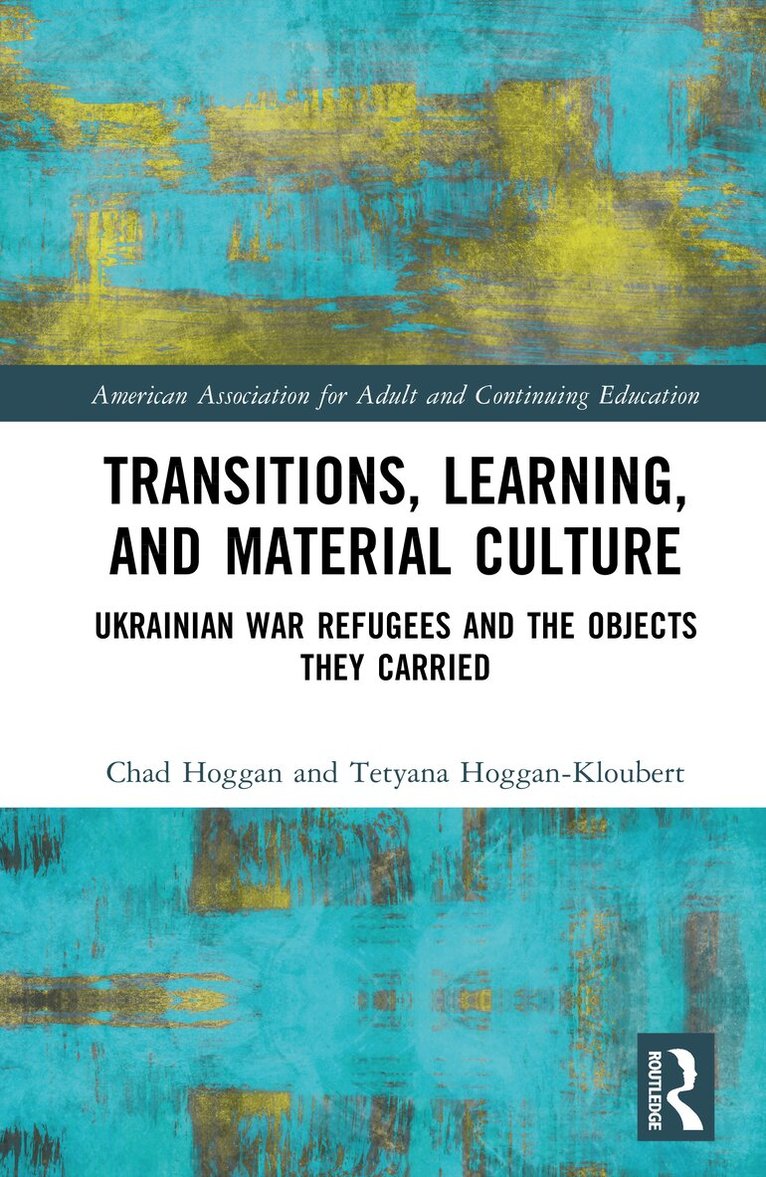
Transitions, Learning, and Material Culture
Chad Hoggan, Tetyana Hoggan-Kloubert
Inbunden, 2026
3 129 kr
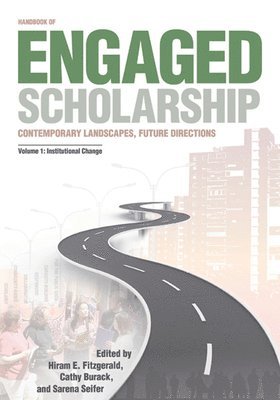
Handbook of Engaged Scholarship: Contemporary Landscapes, Future Directions
Hiram E. Fitzgerald, Cathy Burack, Sarena D. Seifer
Inbunden, 2010
1 809 kr
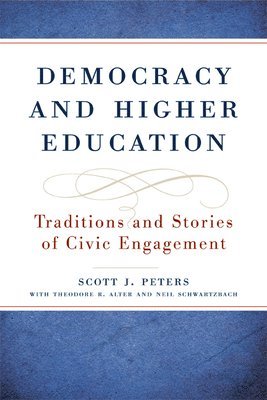
Democracy and Higher Education
Scott J. Peters, Theodore R. Alter, Neil Schwartzbach
Häftad, 2010
1 429 kr
Handbook of Broader Impacts
Laurie A. Van Egeren, Susan Dixon Renoe, Laurie A. Van Egeren, Susan D. Renoe
Häftad, 2026
1 029 kr
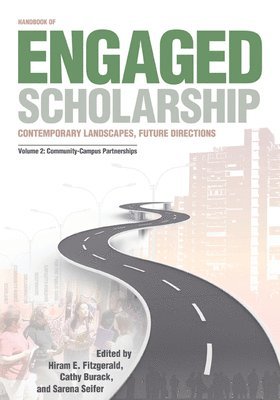
Handbook of Engaged Scholarship: Contemporary Landscapes, Future Directions
Hiram E. Fitzgerald, Cathy Burack, Sarena D. Seifer
Inbunden, 2010
1 809 kr