
Tools of War, Tools of State
When Children Become Soldiers
Häftad, Engelska, 2019
799 kr
Beställningsvara. Skickas inom 3-6 vardagar. Fri frakt för medlemmar vid köp för minst 249 kr.
Finns i fler format (1)
Examines why many governments, rebels, and terrorist organizations are using children as soldiers.Despite the supposed taboo against the practice, many governments, rebels, and terrorist groups use children in war to spy and kill. In Tools of War, Tools of State, Robert Tynes examines this complex problem, demonstrating that the modern use of children in war is a tactical innovation. He discusses how boys and girls on the battlefield bolster troop size, create moral dilemmas, and deepen the level of fear. He also reveals how the practice has become an essential component for groups such as ISIS and al-Shabaab, in their state-making projects. Using statistical methods to analyze conflicts from 1987 to 2007, Tynes shows how widespread child soldier use is and confirms the theory that it is tactically advantageous. Through historical analysis, he explains how child soldiering developed out of Mao's protracted war theory and the militarization of youth during the twentieth century. A case study of the civil war in Sierra Leone, which details the brutality involved when children are forced to fight, is included.
Produktinformation
- Utgivningsdatum2019-07-02
- Mått152 x 229 x 19 mm
- Vikt381 g
- FormatHäftad
- SpråkEngelska
- SerieSUNY series, James N. Rosenau series in Global Politics
- Antal sidor278
- FörlagState University of New York Press
- ISBN9781438471983
Tillhör följande kategorier
Hoppa över listan




Mer från samma serie
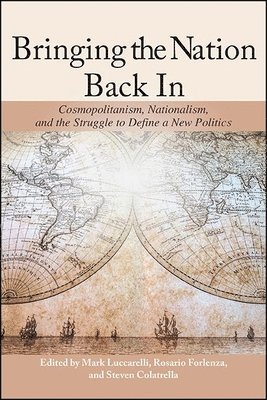
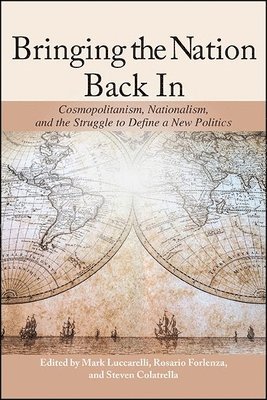
Bringing the Nation Back In
Mark Luccarelli, Rosario Forlenza, Steven Colatrella
Inbunden, 2020
1 689 kr