
Del i serien Pennsylvania Studies in Human Rights
This Side of Silence
Human Rights, Torture, and the Recognition of Cruelty
Häftad, Engelska, 2013
499 kr
Beställningsvara. Skickas inom 10-15 vardagar. Fri frakt för medlemmar vid köp för minst 249 kr.
We are accustomed to thinking of torture as the purposeful infliction of cruelty by public officials, and we assume that lawyers and clinicians are best placed to speak about its causes and effects. However, it has not always been so. The category of torture is a very specific way of thinking about violence, and our current understandings of the term are rooted in recent twentieth-century history. In This Side of Silence, social anthropologist Tobias Kelly argues that the tensions between post-Cold War armed conflict, human rights activism, medical notions of suffering, and concerns over immigration have produced a distinctively new way of thinking about torture, which is saturated with notions of law and trauma.This Side of Silence asks what forms of suffering and cruelty can be acknowledged when looking at the world through the narrow legal category of torture. The book focuses on the recent history of Britain but draws wider comparative conclusions, tracing attempts to recognize survivors and perpetrators across the fields of asylum, criminal law, international human rights, and military justice. In this thorough and eloquent ethnography, Kelly avoids treating the legal prohibition of torture as the inevitable product of progress and yet does not seek to dismiss the real differences it has made in concrete political struggles. Based on extensive archival research and ethnographic fieldwork, the book argues that the problem of recognition rests not in the inability of the survivor to communicate but in our inability to listen and take responsibility for the injustice before us.
Produktinformation
- Utgivningsdatum2013-10-24
- Mått152 x 229 x 17 mm
- Vikt323 g
- FormatHäftad
- SpråkEngelska
- SeriePennsylvania Studies in Human Rights
- Antal sidor232
- FörlagUniversity of Pennsylvania Press
- ISBN9780812222814
Tillhör följande kategorier
Hoppa över listan




Mer från samma författare
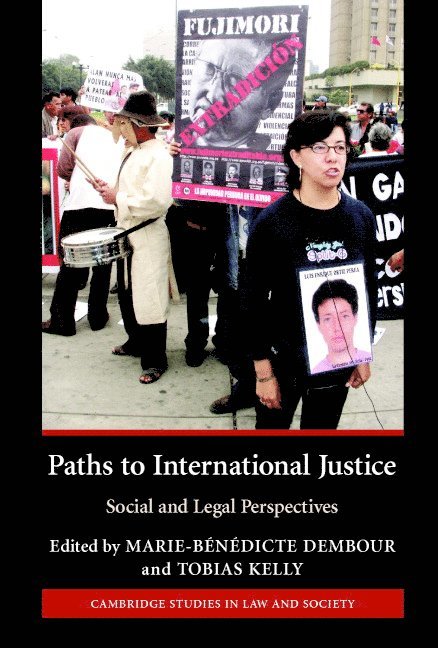
Paths to International Justice
Marie-Benedicte Dembour, Marie-Bénédicte Dembour, Tobias Kelly
Inbunden, 2007
1 699 kr
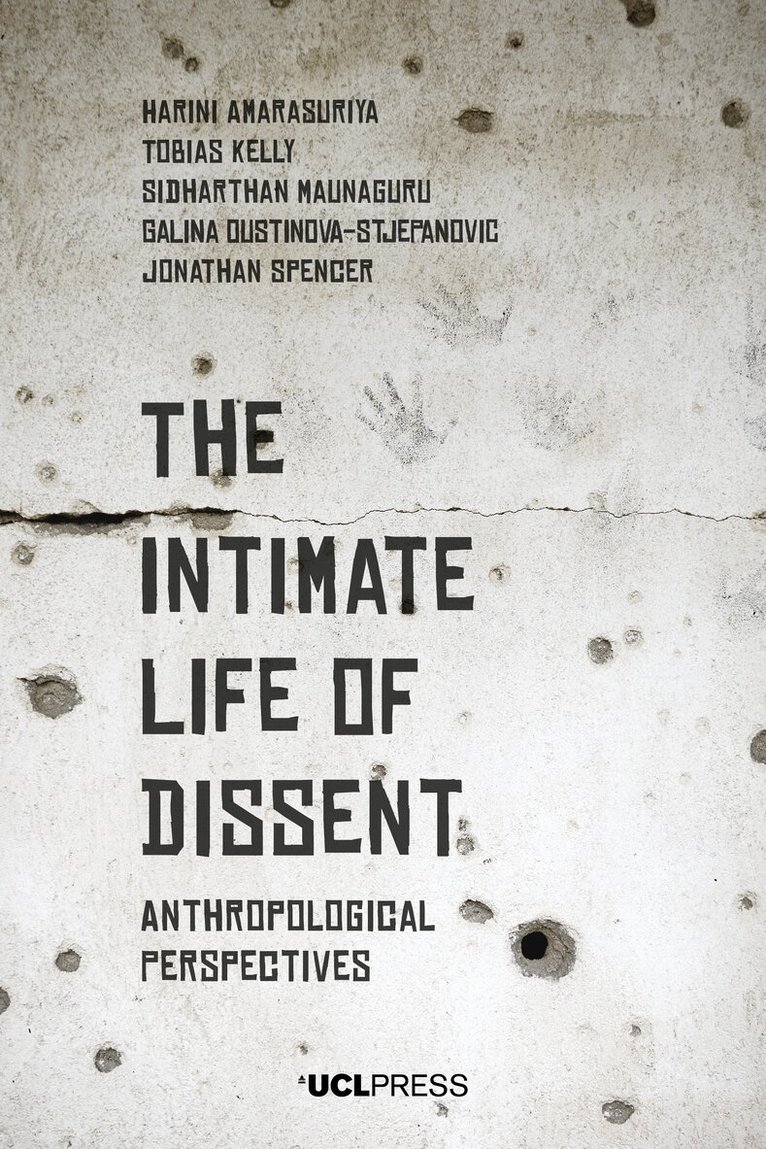
Intimate Life of Dissent
Harini Amarasuriya, Tobias Kelly, Sidharthan Maunaguru, Galina Oustinova-Stjepanovic, Jonathan Spencer
Häftad, 2020
979 kr
Hoppa över listan



Mer från samma serie
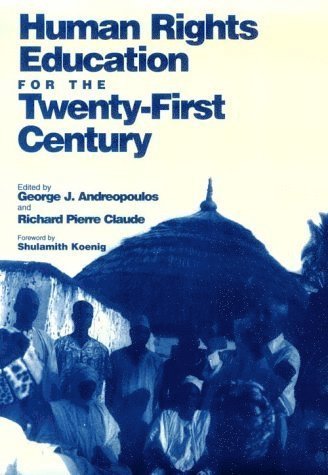
Human Rights Education for the Twenty-First Century
George J. Andreopoulos, Richard Pierre Claude
Häftad, 1997
839 kr
Hoppa över listan
Du kanske också är intresserad av
Paths to International Justice
Marie-Benedicte Dembour, Marie-Bénédicte Dembour, Tobias Kelly
Inbunden, 2007
1 699 kr
Intimate Life of Dissent
Harini Amarasuriya, Tobias Kelly, Sidharthan Maunaguru, Galina Oustinova-Stjepanovic, Jonathan Spencer
Häftad, 2020
979 kr
Del 1
