
The Value Gap
Inbunden, Engelska, 2021
1 529 kr
Beställningsvara. Skickas inom 7-10 vardagar. Fri frakt för medlemmar vid köp för minst 249 kr.
In The Value Gap, Toni Rønnow-Rasmussen addresses the distinction between what is finally good and what is finally good-for, two value notions that are central to ethics and practical deliberation. The first part of the book argues against views that claim that one of these notions is either faulty, or at best conceptually dependent on the other notion. Whereas these two views disagree on whether it is good or good-for that is the flawed or dependent concept, it is argued, as against both approaches, that goodness and goodness-for are independent value notions that cannot be fully understood in terms of one another. The second part provides an analysis of good and good-for in terms of a fitting-attitude analysis. By elaborating a more nuanced understanding of the key elements of this analysis--reasons and pro-attitudes--Rønnow-Rasmussen challenges the widespread idea that there are no genuine practical and moral dilemmas. The result is that the gap between favouring for a reason what is good and favouring for a reason what is good for someone appears insurmountable.
Produktinformation
- Utgivningsdatum2021-12-02
- Mått163 x 240 x 18 mm
- Vikt518 g
- FormatInbunden
- SpråkEngelska
- Antal sidor238
- FörlagOUP OXFORD
- ISBN9780192848215
Tillhör följande kategorier
Hoppa över listan

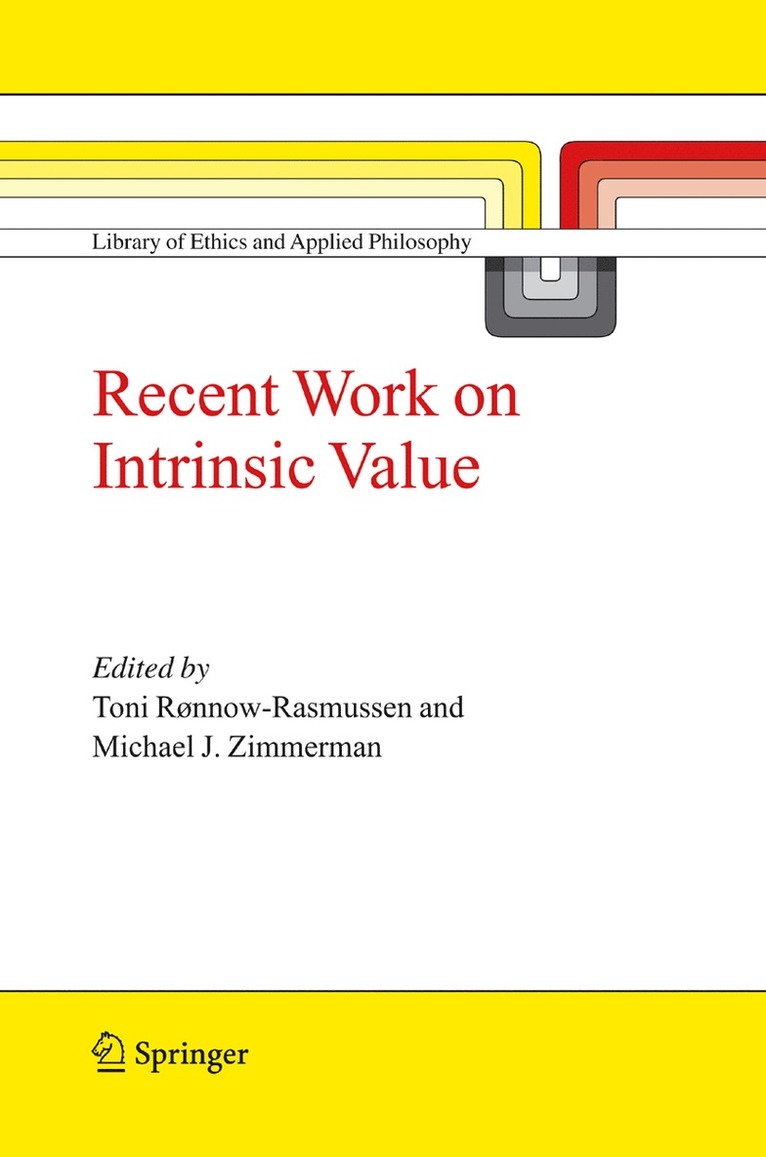
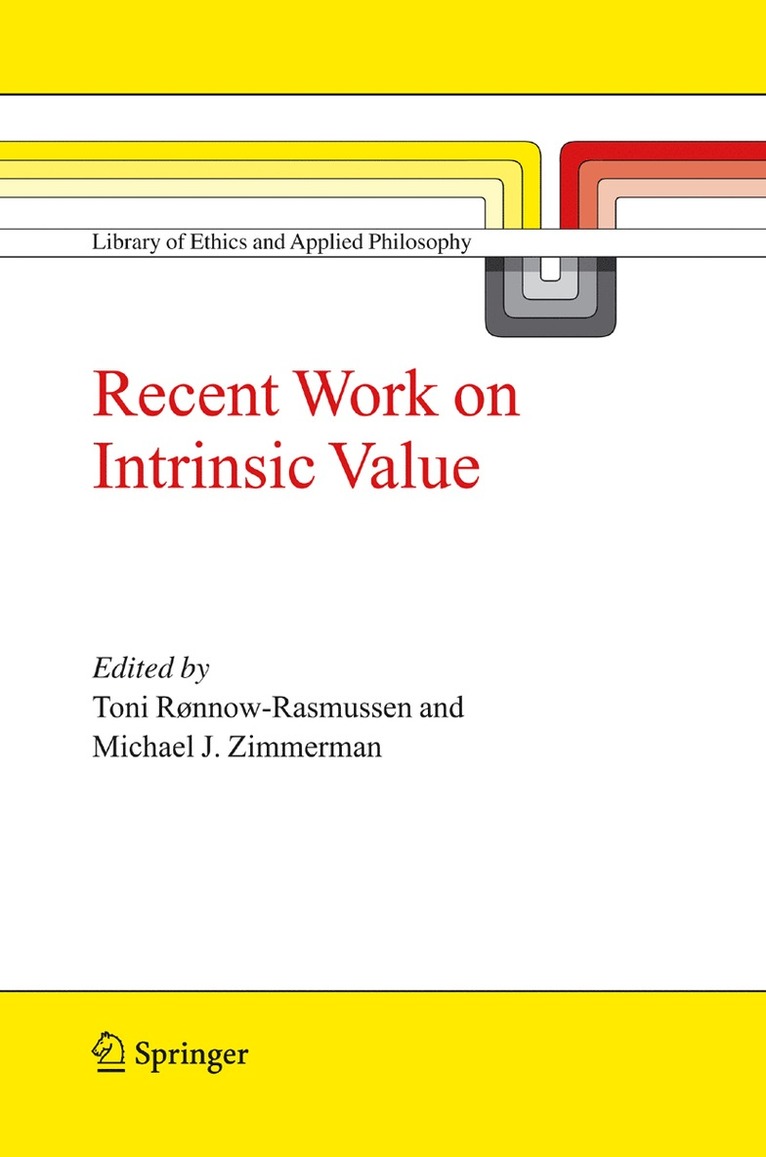
Mer från samma författare
Exploring Practical Philosophy: From Action to Values
Dan Egonsson, Jonas Josefsson, Toni Rønnow-Rasmussen
Häftad, 2019
529 kr
Del 17
Hoppa över listan




Du kanske också är intresserad av
Del 17
Exploring Practical Philosophy: From Action to Values
Dan Egonsson, Jonas Josefsson, Toni Rønnow-Rasmussen
Häftad, 2019
529 kr
- Nyhet
Del 3
- Nyhet
Del 11
Del 3
- Nyhet
Del 4
- Nyhet
Del 6
Del 1