
Del i serien New Studies in European History
The Politics of Wine in Early Modern France
Religion and Popular Culture in Burgundy, 1477-1630
Häftad, Engelska, 2020
869 kr
Beställningsvara. Skickas inom 5-8 vardagar. Fri frakt för medlemmar vid köp för minst 249 kr.
Finns i fler format (1)
In the late fifteenth century, Burgundy was incorporated in the kingdom of France. This, coupled with the advent of Protestantism in the early sixteenth century, opened up new avenues for participation in public life by ordinary Burgundians and led to considerably greater interaction between the elites and the ordinary people. Mack Holt examines the relationship between the ruling and popular classes from Burgundy's re-incorporation into France in 1477 until the Lanturelu riot in Dijon in 1630, focusing on the local wine industry. Indeed, the vineyard workers were crucial in turning back the tide of Protestantism in the province until 1630 when, following royal attempts to reduce the level of popular participation in public affairs, Louis XIII tried to remove them from the city altogether. More than just a local study, this book shows how the popular classes often worked together with local elites to shape policies that affected them.
Produktinformation
- Utgivningsdatum2020-03-05
- Mått152 x 229 x 20 mm
- Vikt540 g
- FormatHäftad
- SpråkEngelska
- SerieNew Studies in European History
- Antal sidor370
- FörlagCambridge University Press
- ISBN9781108456814
Tillhör följande kategorier
Hoppa över listan






Mer från samma författare
Del 36
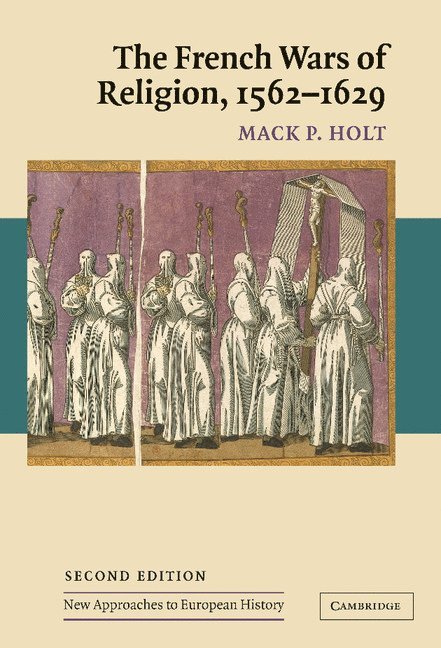
The French Wars of Religion, 1562-1629
Mack P. Holt, William Beik, T. C. W. Blanning
Häftad, 2005
749 kr
Del 36
The French Wars of Religion, 1562-1629
Mack P. Holt, William Beik, T. C. W. Blanning
Inbunden, 2005
1 709 kr
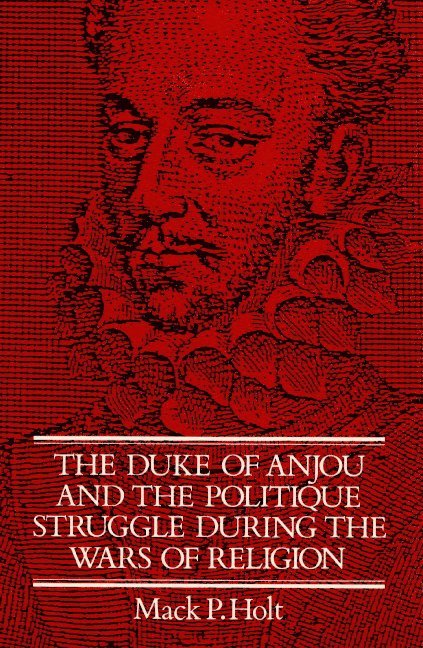
The Duke of Anjou and the Politique Struggle during the Wars of Religion
Mack P. Holt, John Elliott
Häftad, 2002
1 189 kr
Del 66
Del 66
Hoppa över listan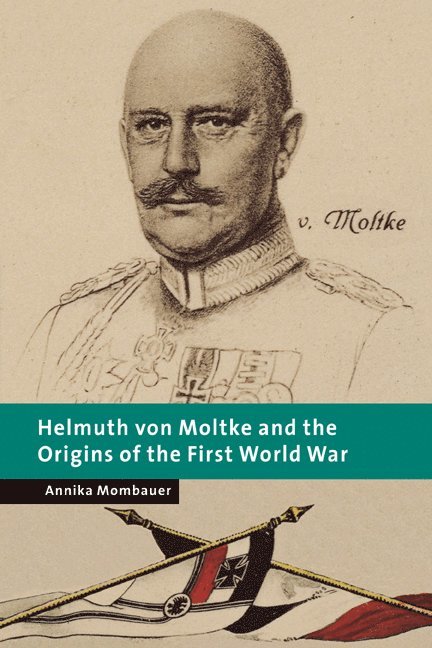



Mer från samma serie
Helmuth von Moltke and the Origins of the First World War
Annika Mombauer, Peter Baldwin, Christopher Clark
Häftad, 2005
1 069 kr
Hoppa över listan
Du kanske också är intresserad av
Del 36
The French Wars of Religion, 1562-1629
Mack P. Holt, William Beik, T. C. W. Blanning
Häftad, 2005
749 kr
Del 66
Del 66
The Duke of Anjou and the Politique Struggle during the Wars of Religion
Mack P. Holt, John Elliott
Häftad, 2002
1 189 kr
Del 36
The French Wars of Religion, 1562-1629
Mack P. Holt, William Beik, T. C. W. Blanning
Inbunden, 2005
1 709 kr