
The Cultural Politics of Human Rights
Comparing the US and UK
Häftad, Engelska, 2009
909 kr
Beställningsvara. Skickas inom 5-8 vardagar. Fri frakt för medlemmar vid köp för minst 249 kr.
Finns i fler format (1)
How does culture make a difference to the realisation of human rights in Western states? It is only through cultural politics that human rights may become more than abstract moral ideals, protecting human beings from state violence and advancing protection from starvation and the social destruction of poverty. Using an innovative methodology, this book maps the emergent 'intermestic' human rights field within the US and UK in order to investigate detailed case studies of the cultural politics of human rights. Kate Nash researches how the authority to define human rights is being created within states as a result of international human rights commitments. Through comparative case studies, she explores how cultural politics is affecting state transformation today.
Produktinformation
- Utgivningsdatum2009-03-26
- Mått152 x 229 x 12 mm
- Vikt360 g
- FormatHäftad
- SpråkEngelska
- Antal sidor224
- FörlagCambridge University Press
- ISBN9780521618670
Tillhör följande kategorier
Hoppa över listan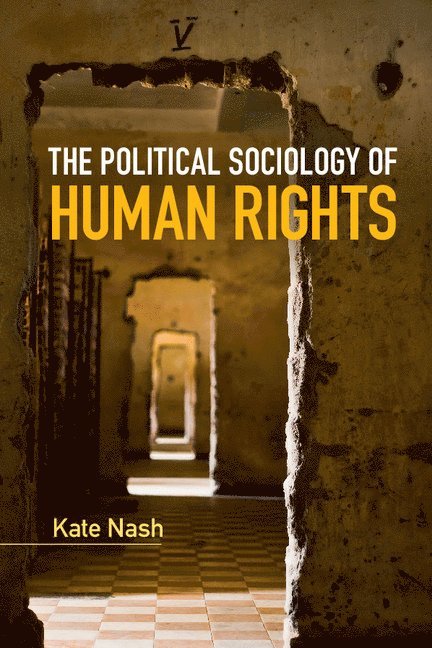




Mer från samma författare
Wiley-Blackwell Companion to Political Sociology
Edwin Amenta, Kate Nash, Alan Scott, Edwin Amenta, Kate Nash, Alan Scott
Häftad, 2016
679 kr
Hoppa över listan


Du kanske också är intresserad av
Wiley-Blackwell Companion to Political Sociology
Edwin Amenta, Kate Nash, Alan Scott, Edwin Amenta, Kate Nash, Alan Scott
Häftad, 2016
679 kr