
Del i serien Cambridge Companions to Literature
The Cambridge Companion to Postmodernism
Häftad, Engelska, 2004
619 kr
Beställningsvara. Skickas inom 5-8 vardagar. Fri frakt för medlemmar vid köp för minst 249 kr.
Finns i fler format (1)
The Cambridge Companion to Postmodernism offers a comprehensive introduction to postmodernism. The Companion examines the different aspects of postmodernist thought and culture that have had a significant impact on contemporary cultural production and thinking. Topics discussed by experts in the field include postmodernism's relation to modernity, and its significance and relevance to literature, film, law, philosophy, architecture, religion and modern cultural studies. The volume also includes a useful guide to further reading and a chronology. This is an essential aid for students and teachers from a range of disciplines interested in postmodernism in all its incarnations. Accessible and comprehensive, this Companion addresses the many issues surrounding this elusive, enigmatic and often controversial topic.
Produktinformation
- Utgivningsdatum2004-07-15
- Mått164 x 232 x 16 mm
- Vikt410 g
- FormatHäftad
- SpråkEngelska
- SerieCambridge Companions to Literature
- Antal sidor254
- FörlagCambridge University Press
- ISBN9780521648400
Tillhör följande kategorier
Hoppa över listan
Mer från samma författare
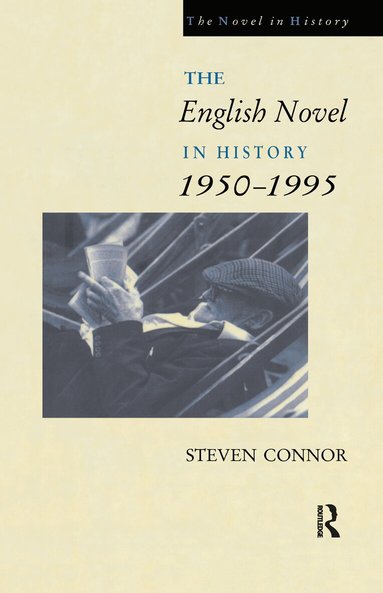
English Novel in History, 1950 to the Present
Professor Steven Connor, Steven Connor
Inbunden, 1995
3 769 kr
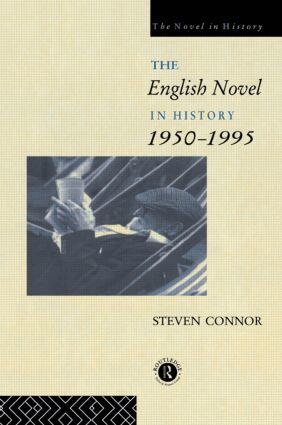
English Novel in History, 1950 to the Present
Professor Steven Connor, Steven Connor
Häftad, 1995
969 kr