
Ancient Mediterranean Sea in Modern Visual and Performing Arts
Sailing in Troubled Waters
Inbunden, Engelska, 2017
2 639 kr
Beställningsvara. Skickas inom 10-15 vardagar. Fri frakt för medlemmar vid köp för minst 249 kr.
Finns i fler format (1)
When thinking about the Mediterranean, Fernand Braudel’s haunting words resound like an echo of the sea and its millenary history. From Prehistory until today, the Mediterranean has been setting, witness and protagonist of mythical adventures, of encounters with the Other, of battles and the rise and fall of cultures and empires, of the destinies of humans. Braudel’s appeal for a long durée history of the Mediterranean challenged traditional views that often present it as a sea fragmented and divided through periods.This volume proposes a journey into the bright and dark sides of the ancient Mediterranean through the kaleidoscopic gaze of artists who from the Renaissance to the 21st century have been inspired by its myths and history. The view of those who imagined and recreated the past of the sea has largely contributed to the shaping of modern cultures which are inexorably rooted and embedded in Mediterranean traditions. The contributions look at modern visual reinterpretations of ancient myths, fiction and history and pay particular attention to the theme of sea travel and travellers, which since Homer's Odyssey has become the epitome of the discovery of new worlds, of cultural exchanges and a metaphor of personal developments and metamorphoses.
Produktinformation
- Utgivningsdatum2017-12-14
- Mått156 x 234 x 21 mm
- Vikt692 g
- FormatInbunden
- SpråkEngelska
- SerieIMAGINES – Classical Receptions in the Visual and Performing Arts
- Antal sidor344
- FörlagBloomsbury Publishing PLC
- ISBN9781474298599
Tillhör följande kategorier
Hoppa över listan




Mer från samma serie
Orientalism and the Reception of Powerful Women from the Ancient World
Filippo Carlà-Uhink, Anja Wieber
Inbunden, 2020
2 459 kr
Ancient Violence in the Modern Imagination
Irene Berti, Maria G. Castello, Carla Scilabra
Inbunden, 2020
2 269 kr
Geographies of Myth and Places of Identity
Marco Benoît Carbone, Filippo Carlà-Uhink
Inbunden, 2022
1 799 kr
Screening Love and War in Troy: Fall of a City
Antony Augoustakis, Monica S. Cyrino
Inbunden, 2022
1 609 kr
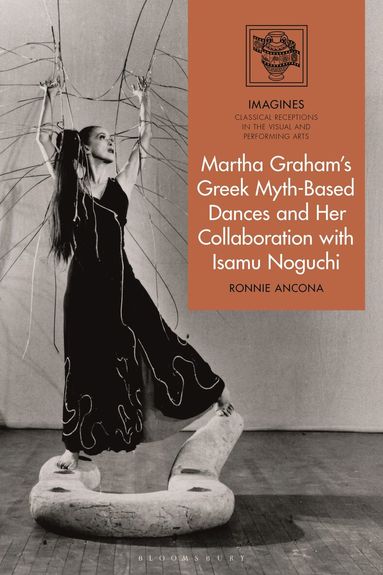
Martha Graham's Greek Myth-Based Dances and Her Collaboration with Isamu Noguchi
Ronnie Ancona, Filippo Carlà-Uhink
Inbunden, 2026
1 609 kr
Hoppa över listan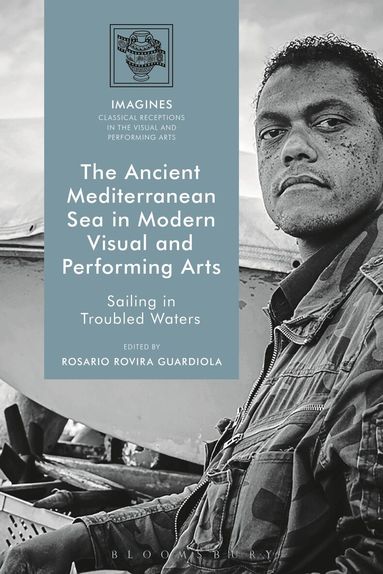








Du kanske också är intresserad av
Ancient Mediterranean Sea in Modern Visual and Performing Arts
Rosario Rovira Guardiola
Häftad, 2019
629 kr
- Nyhet
Del 7
- Nyhet
Del 6
- Nyhet
Del 3
- Nyhet
Del 3
- Nyhet
Del 4
- Nyhet
- Nyhet
- Nyhet
Del 11
- Nyhet
Del 1