
Del i serien Routledge Studies in Energy Transitions
Sustainable Energy Transformations, Power and Politics
Morocco and the Mediterranean
Inbunden, Engelska, 2018
3 209 kr
Beställningsvara. Skickas inom 10-15 vardagar. Fri frakt för medlemmar vid köp för minst 249 kr.
Finns i fler format (1)
This book analyses energy transitions and the opportunities and challenges for building sustainable energy systems to improve human capabilities while protecting the environment. Sufficient and secure energy supply is critical to human thriving and socioeconomic development. Yet energy systems are also implicated in the most pressing socio-environmental challenges of our time - climate change, air pollution, and water and land use. This book examines what is arguably the most ambitious vision for a renewable energy based system worldwide. This vision, often called Desertec, is for a regional electricity system supplying North Africa, Europe, and the Middle East with sustainable and affordable power. The behemoth plan would entail building dozens of large-scale solar and wind power plants mostly in North Africa, interconnecting the fragmented transmission infrastructure of 38 Mediterranean countries, and linking North Africa to the European Union (EU) through undersea transmission cables. Within the Mediterranean, the book focuses on Morocco, which is one of the most advanced developing countries in renewable energy scale-up, to understand its motivations for building renewable energy and the effects on sustainable development. The book therefore takes a unique multi-scalar approach to understanding the social and political aspects of energy transitions, weaving together the views of villagers living near Morocco’s first solar energy zone with the perspectives of national decision-makers in Morocco with the views of European policymakers and major transnational energy companies in the Mediterranean region. This book will be of great interest to students, scholars and policymakers interested in energy transitions, sustainable and renewable energy, Mediterranean politics, sustainable development and environment and sustainability more generally.
Produktinformation
- Utgivningsdatum2018-08-17
- Mått156 x 234 x 28 mm
- Vikt532 g
- FormatInbunden
- SpråkEngelska
- SerieRoutledge Studies in Energy Transitions
- Antal sidor260
- FörlagTaylor & Francis Ltd
- ISBN9781138579460
Tillhör följande kategorier
Hoppa över listan
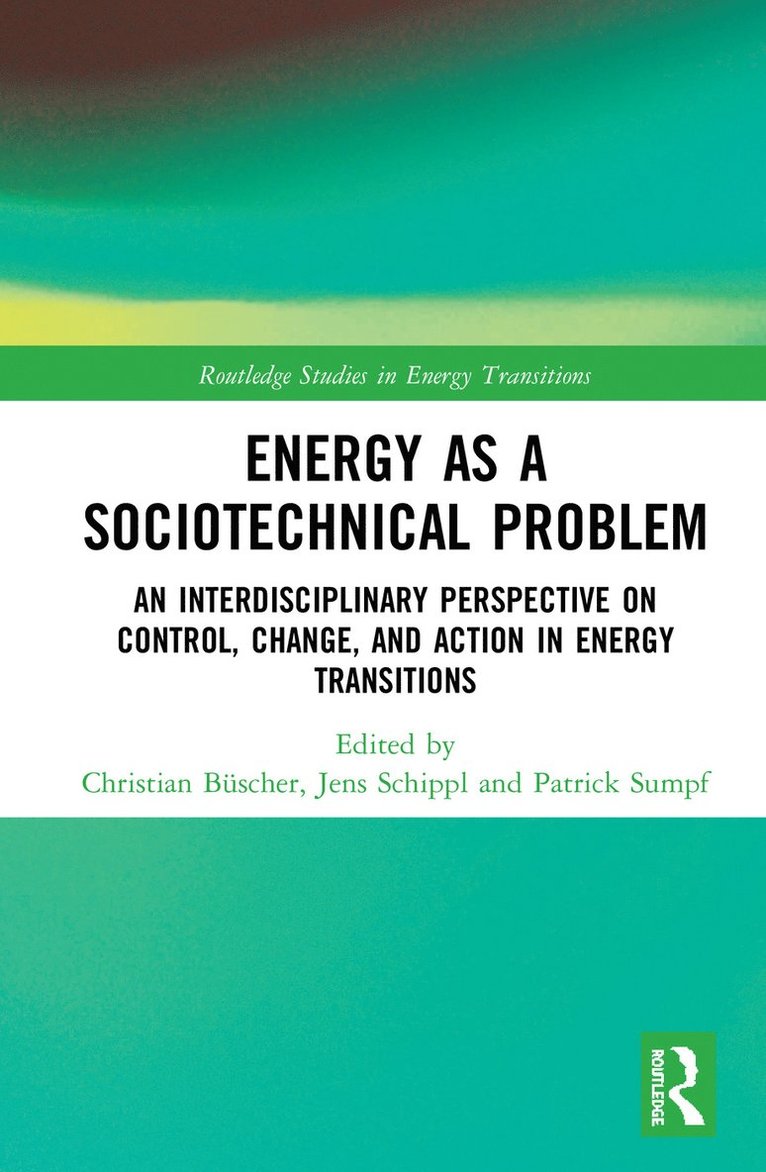
Mer från samma serie
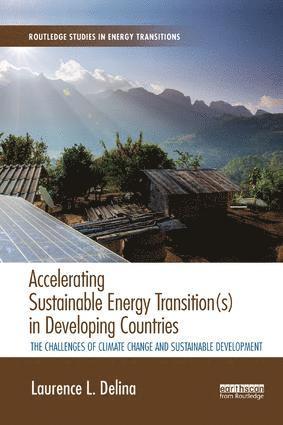
Accelerating Sustainable Energy Transition(s) in Developing Countries
Laurence Delina
Häftad, 2019
919 kr
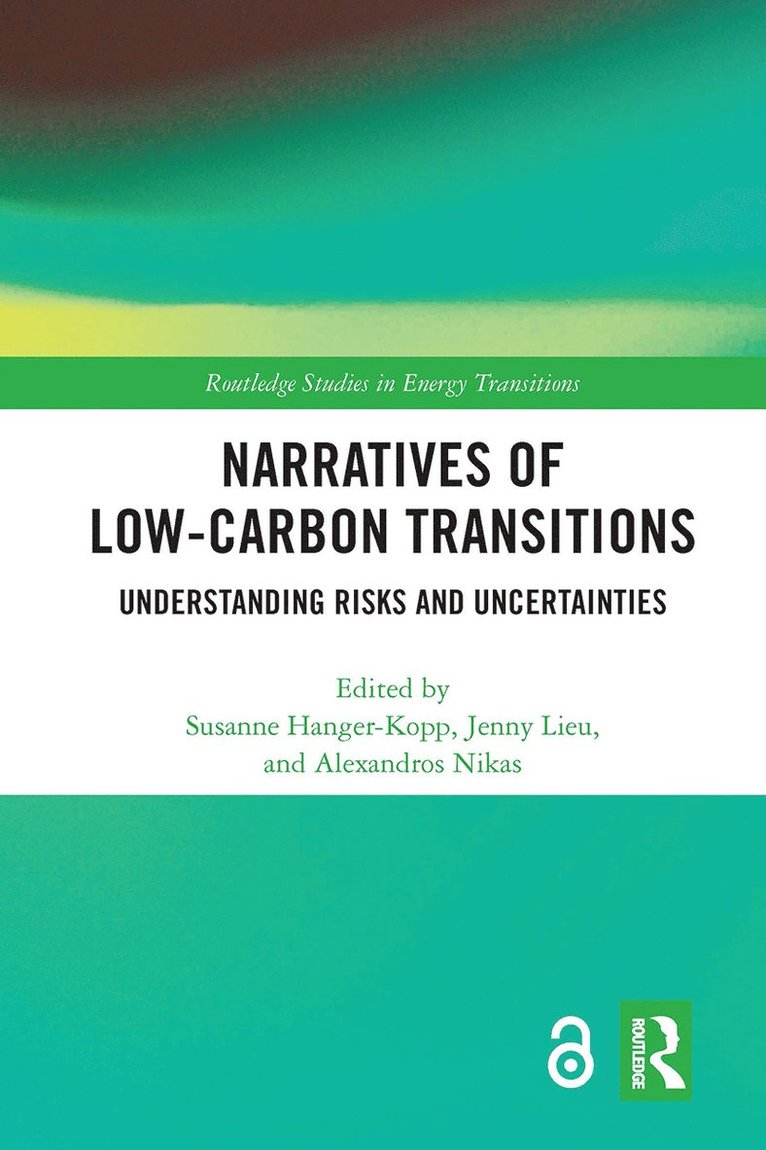
Narratives of Low-Carbon Transitions
Susanne Hanger-Kopp, Jenny Lieu, Alexandros Nikas
Häftad, 2020
919 kr
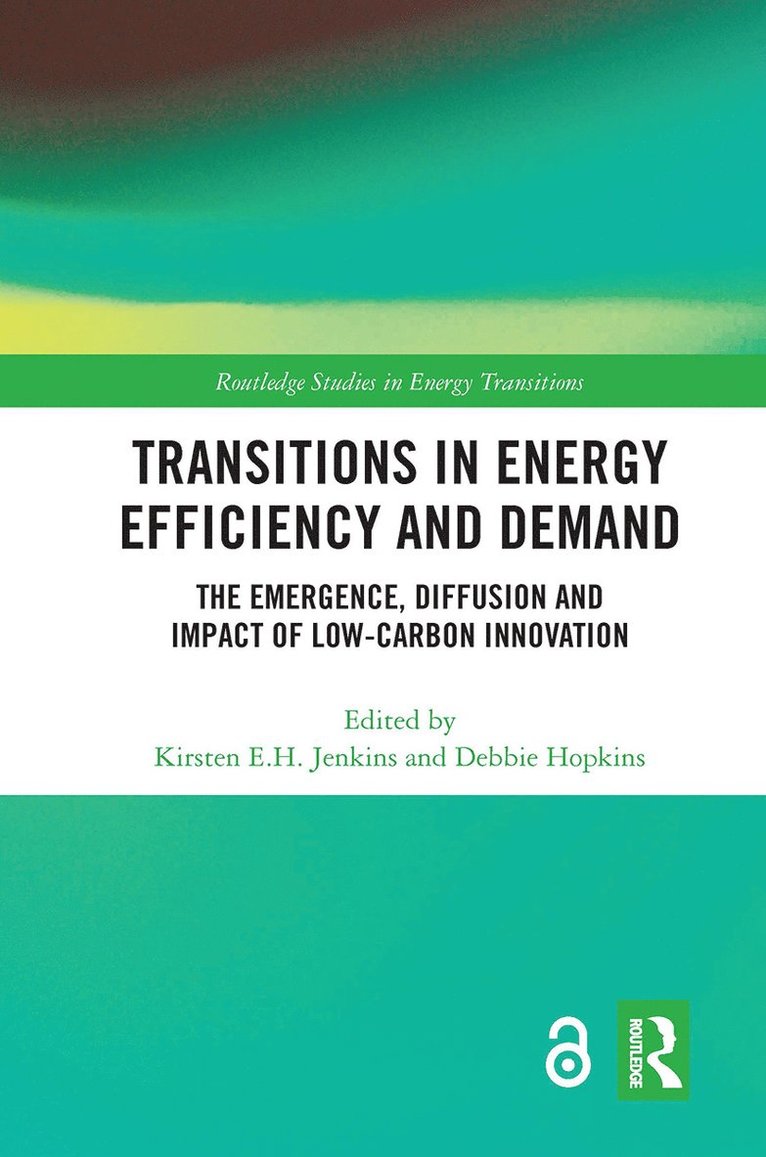
Transitions in Energy Efficiency and Demand
Kirsten E.H. Jenkins, Debbie Hopkins
Inbunden, 2018
3 209 kr
Hoppa över listan
Du kanske också är intresserad av
Accelerating Sustainable Energy Transition(s) in Developing Countries
Laurence Delina
Inbunden, 2017
3 209 kr
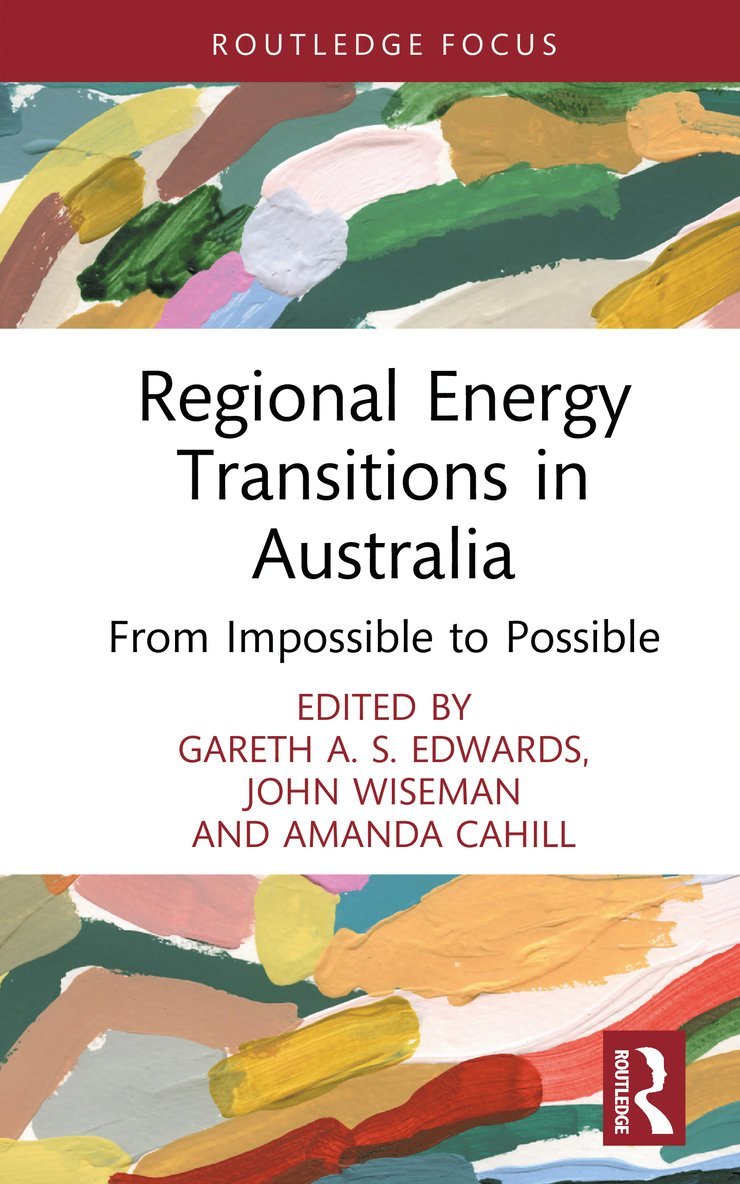
Regional Energy Transitions in Australia
Gareth A. S. Edwards, John Wiseman, Amanda Cahill
Inbunden, 2024
1 279 kr
Regional Energy Transitions in Australia
Gareth A. S. Edwards, John Wiseman, Amanda Cahill
Häftad, 2026
479 kr
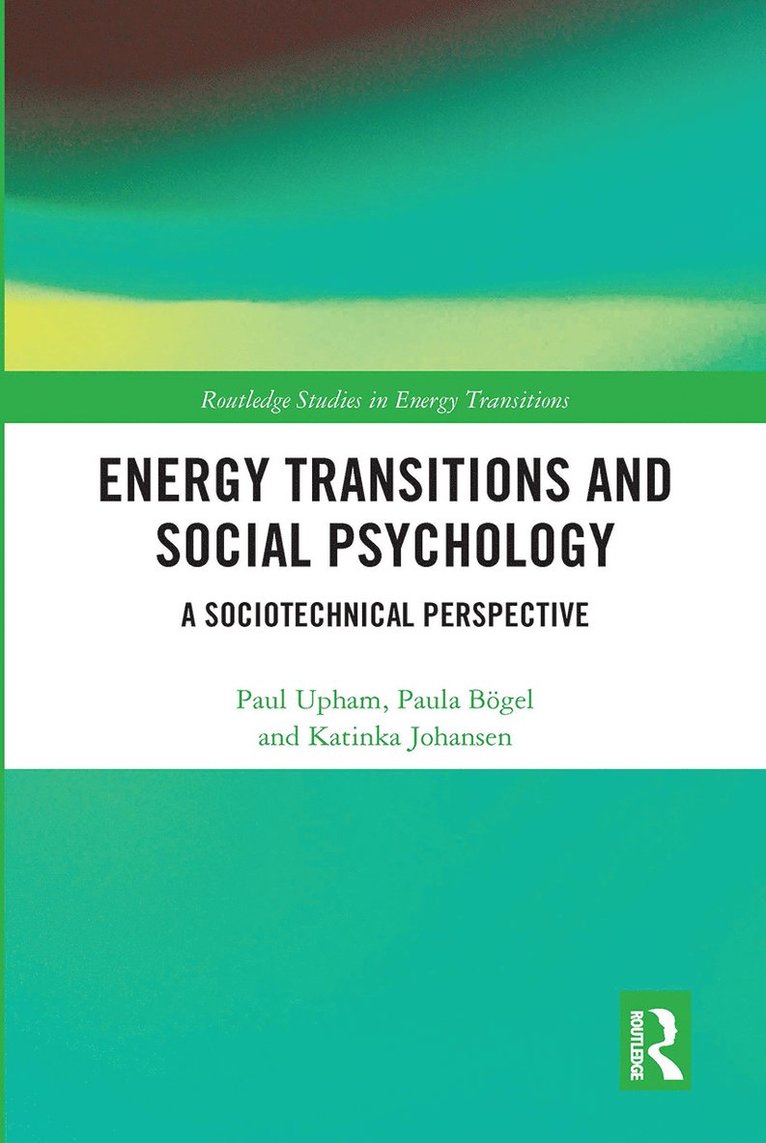
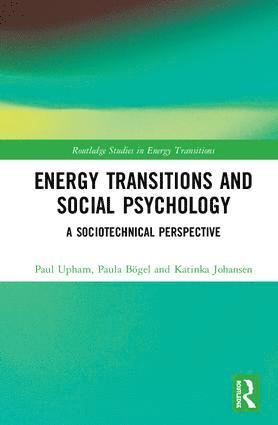
Energy Transitions and Social Psychology
Paul Upham, Paula Bögel, Katinka Johansen
Inbunden, 2019
3 219 kr