
Del i serien Oxford Studies in Music Theory
Studies in Music with Text
Inbunden, Engelska, 2006
2 399 kr
Beställningsvara. Skickas inom 5-8 vardagar. Fri frakt för medlemmar vid köp för minst 249 kr.
Finns i fler format (1)
Hailed by the New Grove Dictionary of Music (2nd edition) as "the most original and far-ranging theorist of his generation," David Lewin (1933-2003) explored for over four decades how composers in the German tradition set poetry and drama to music. He conceived Studies in Music with Text as a unified collection, reproducing papers on music by Mozart, Schubert, Wagner, Schoenberg, and Babbitt, many of which have become classics in the fields of music theory and historical musicology. He also included new analytical essays on Mozart, Wagner, and Schubert, and provided fresh readings of selected songs by Clara Schumann, Robert Schumann, and Johannes Brahms. The analyses collected here focus on how the music, from its small details to its large formal schemes, engages the poetic and dramatic dynamics of the works at hand, and how music and text enact each other reciprocally. A recurrent topic is the theatricality of texted music for the concert as well as operatic stage, and Lewin's perspectives offer many interpretive insights and conceptual perspectives for the musical performer. A methodological eclectic, Lewin cultivated a magisterial command of historical theories and thought deeply about how those theories could inform contemporary understanding. Analytical models by Zarlino, Schenker, Riemann, Rameau, and Babbitt are brought into play, and the range of poetic and dramatic questions that emerge are explored, concerning inter alia psychological and social identity, the relation of psychological inner worlds to phenomenal reality, and the narrowly biographical and broadly historical conditions of artistic creation. As it illuminates the richness and profundity of the language/music partnership, Studies in Music with Text offers incisive thinking about the scope--and limitations--of descriptive and analytical discourse about music.
Produktinformation
- Utgivningsdatum2006-01-26
- Mått157 x 245 x 30 mm
- Vikt748 g
- FormatInbunden
- SpråkEngelska
- SerieOxford Studies in Music Theory
- Antal sidor422
- FörlagOUP USA
- ISBN9780195182088
Tillhör följande kategorier
Hoppa över listan
Mer från samma författare
The Oxford Handbook of Participation in Organizations
Adrian Wilkinson, Paul J. Gollan, Mick Marchington, David Lewin
Inbunden, 2010
3 209 kr
The Oxford Handbook of Participation in Organizations
Adrian Wilkinson, Paul J. Gollan, Mick Marchington, David Lewin
Häftad, 2011
1 009 kr
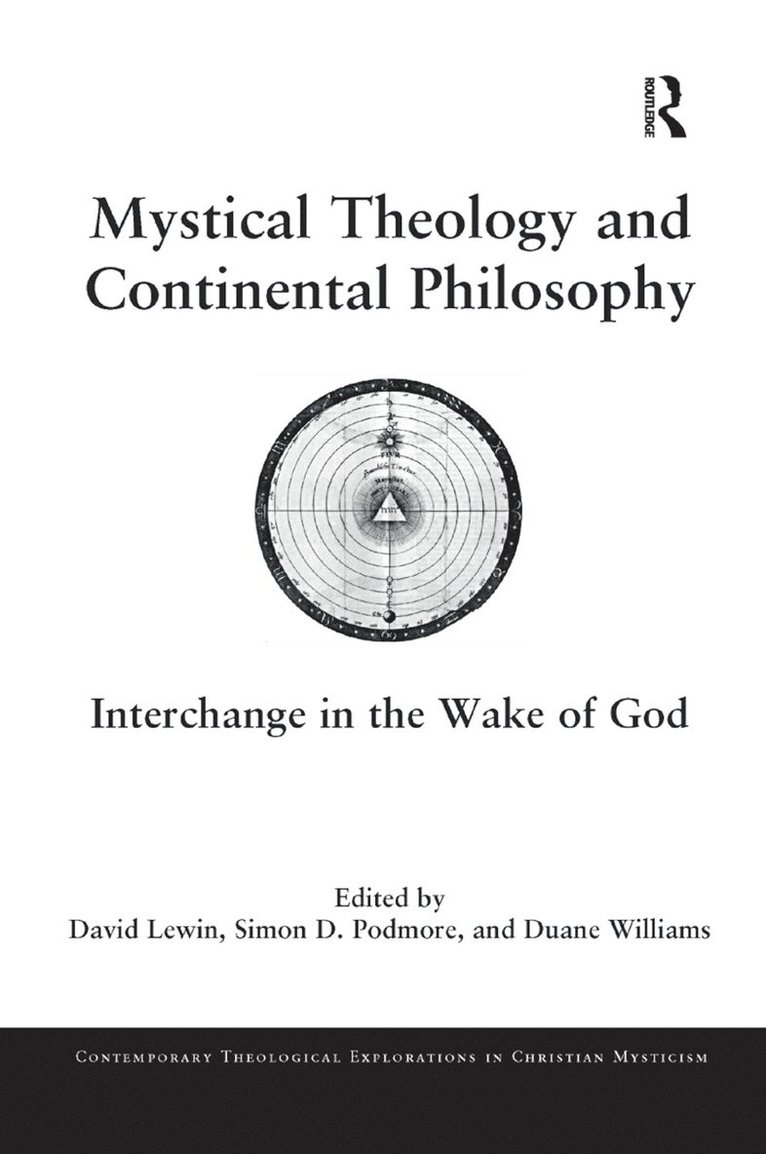
Mystical Theology and Continental Philosophy
David Lewin, Simon D. Podmore, Duane Williams
Häftad, 2019
899 kr
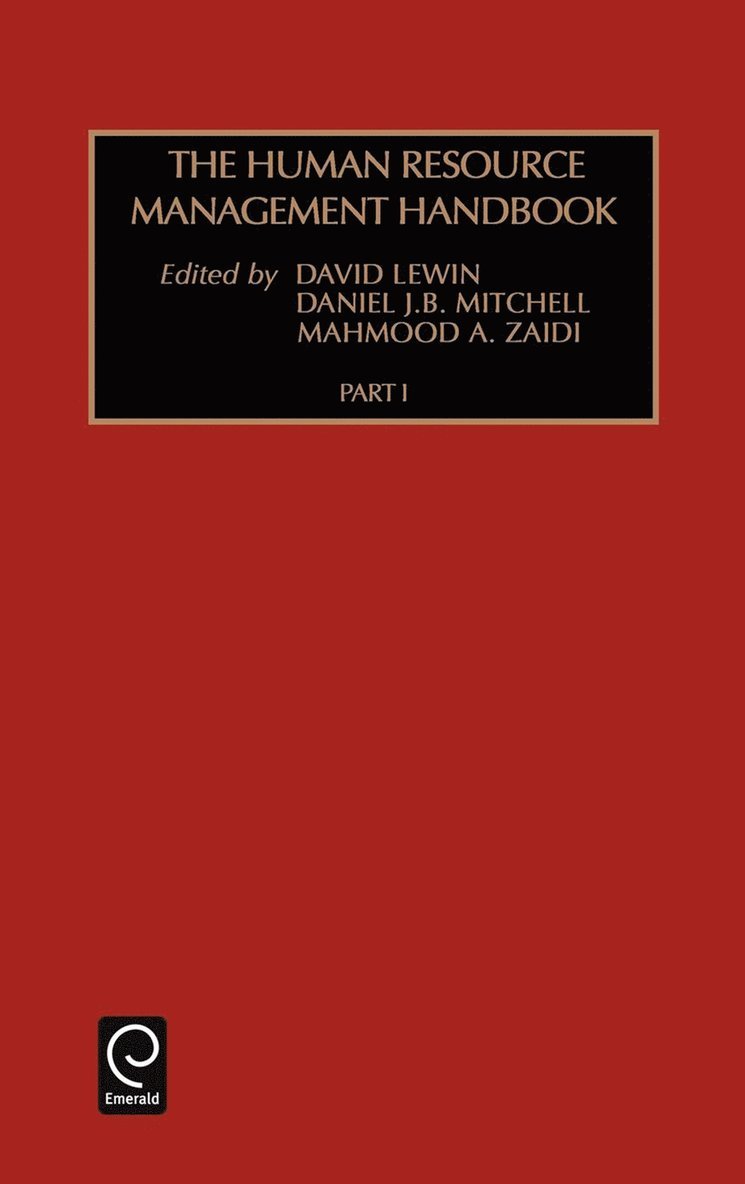
Human Resource Management Handbook - Vol.1
David Lewin, Daniel J. B. Mitchell, Mahmood A. Zaidi
Inbunden, 1998
2 229 kr
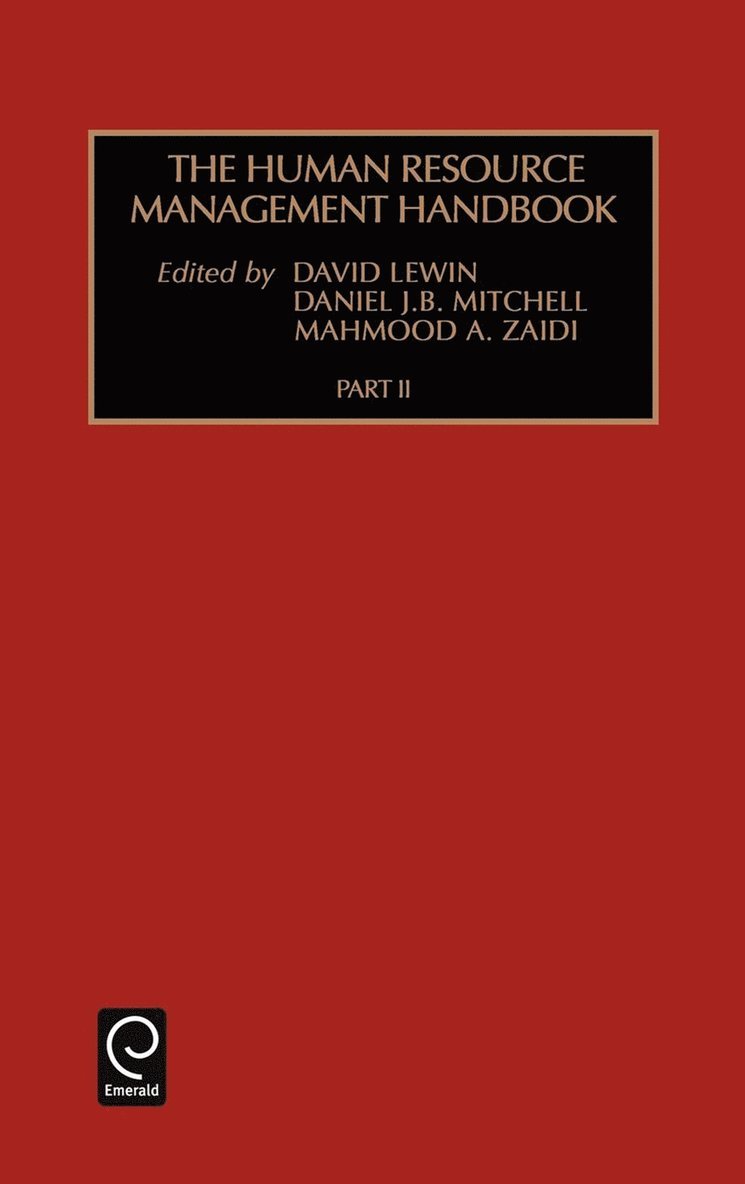
Human Resource Management Handbook - Vol.2
David Lewin, Daniel J. B. Mitchell, Mahmood A. Zaidi
Inbunden, 1997
2 229 kr
Human Resource Management Handbook - Vol.3
David Lewin, Daniel J. B. Mitchell, Mahmood A. Zaidi
Inbunden, 1997
2 229 kr